You’ve just finished a tough leg day or a long run, and that familiar ache settles into your knees. While we often focus on stretching, rest, and nutrition, what we drink before, during, and after exercise plays a surprisingly direct role in how our joints—especially our knees—recover and feel. Hydration isn't just about quenching thirst; it's a foundational element of joint lubrication, nutrient delivery, and inflammation management.
Think of your knee joint as a complex, fluid-filled system. The cartilage that cushions your bones is about 70-80% water. The synovial fluid that reduces friction is, as the name suggests, fluid-based. When you’re dehydrated, this system can’t function optimally. Recovery slows, stiffness increases, and the wear-and-tear of exercise can feel more pronounced. Choosing the right beverages can actively support the structures that keep your knees moving smoothly.
How does dehydration affect your knees?
When fluid levels drop, your body prioritizes vital organs. Your joints aren’t at the top of that list. Reduced hydration means less synovial fluid, which becomes thicker and less effective at lubricating the joint space. Imagine the difference between a well-oiled hinge and a rusty one. The cartilage also relies on water for its shock-absorbing properties. Dehydrated cartilage is more susceptible to compression and micro-damage during impact activities like running or jumping.
Furthermore, dehydration can concentrate inflammatory markers in the tissues. While some inflammation is a normal part of the repair process post-workout, excessive or prolonged inflammation can delay recovery and contribute to soreness. Proper fluid intake helps flush metabolic waste products from the worked muscles and joint areas, supporting a cleaner, more efficient recovery environment.
What should you be drinking for knee recovery?
The goal is twofold: replace lost fluids and provide nutrients that support joint tissue repair and inflammation balance. Plain water is essential, but it’s not the whole story.
Electrolyte-rich fluids
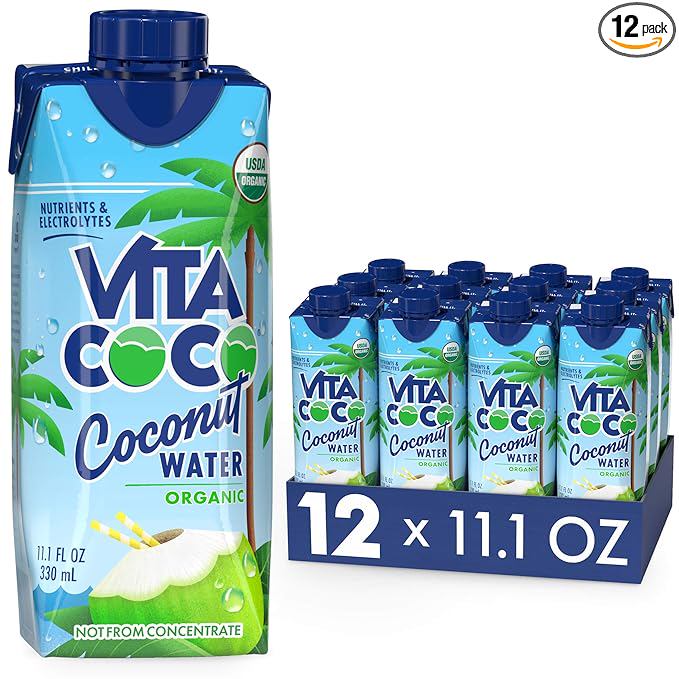
When you sweat, you lose sodium, potassium, and magnesium—electrolytes crucial for fluid balance and nerve function. A significant loss can lead to muscle cramps that may indirectly strain the knee joint. For workouts longer than 60-90 minutes, or in hot conditions, consider a hydration drink with electrolytes.
Skip the high-sugar sports drinks unless your activity is exceptionally intense and lengthy. Look for options with a balanced electrolyte profile and minimal added sugars.
Tart cherry juice
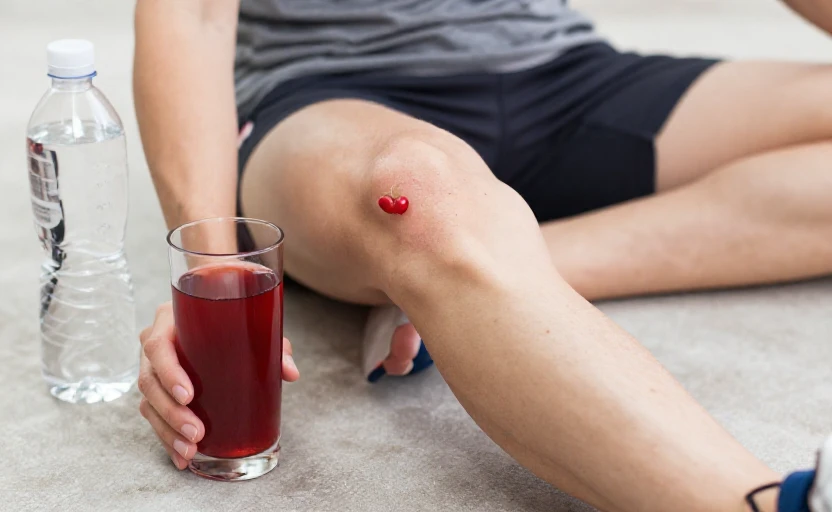
This has become a favorite among athletes for recovery. Tart cherries contain anthocyanins, compounds with anti-inflammatory and antioxidant properties. Some research suggests that drinking tart cherry juice can help reduce post-exercise muscle soreness and markers of inflammation. While studies often focus on muscle recovery, managing systemic inflammation benefits the joints as well.
Green tea
Unsweetened green tea is a superb recovery beverage. It’s hydrating and rich in polyphenols like EGCG, a powerful antioxidant. These compounds may help modulate the body’s inflammatory response after exercise. Enjoy it warm or cold after your workout.
Bone broth or collagen-fortified drinks
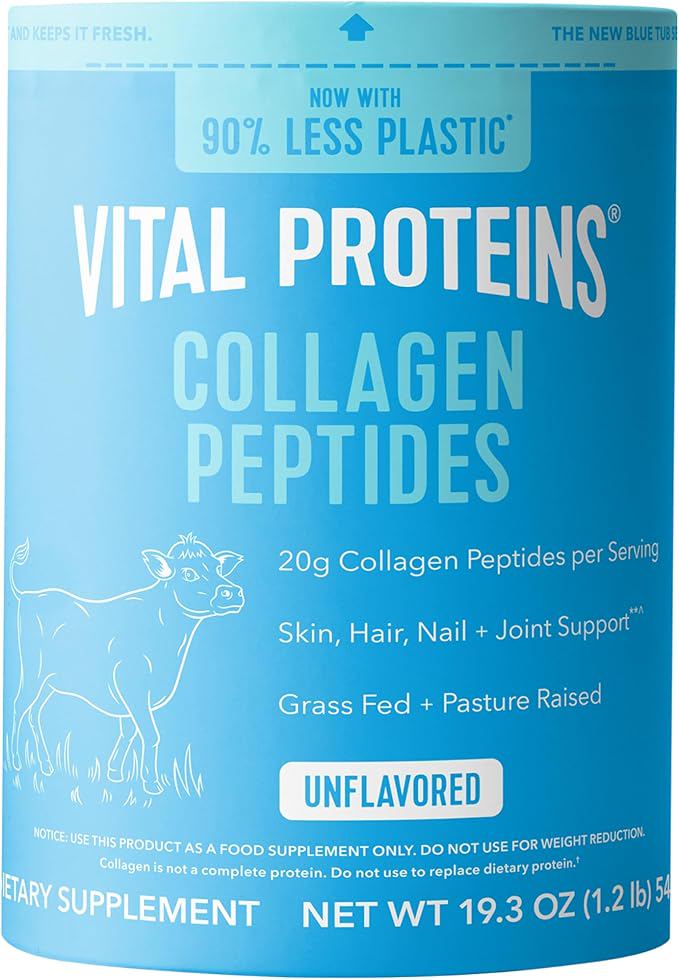
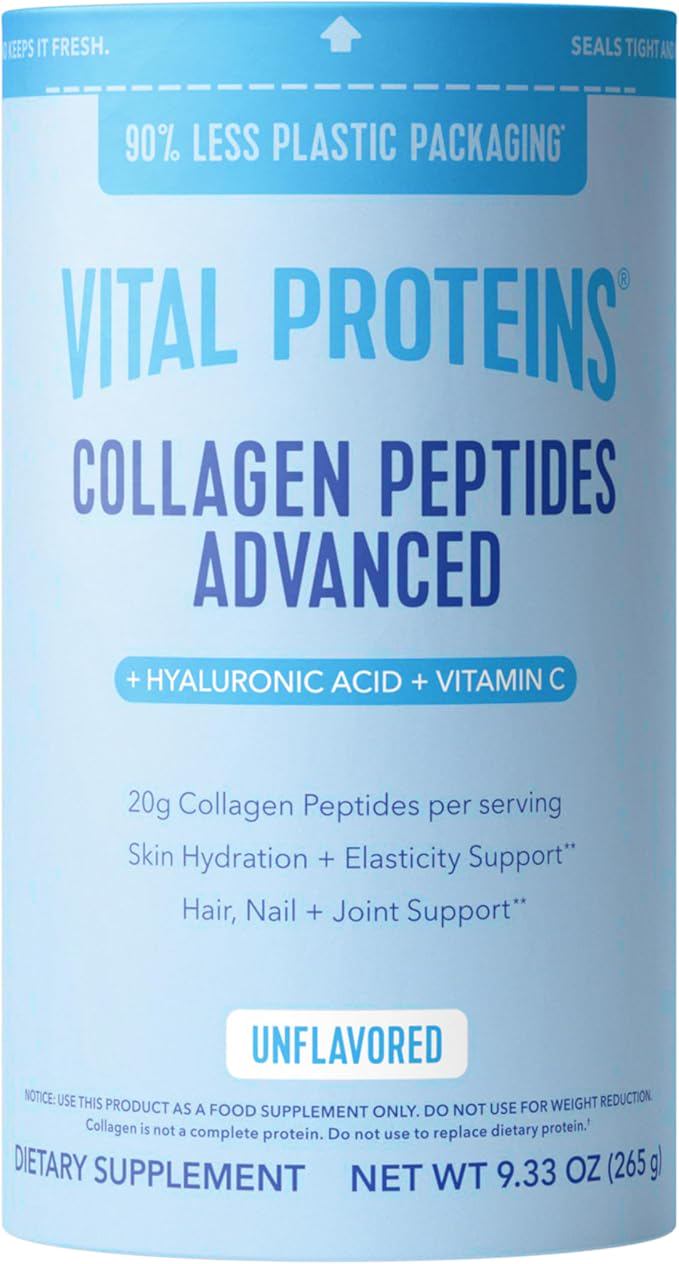
While the science is still evolving, bone broth and drinks supplemented with collagen peptides provide amino acids like glycine and proline, which are building blocks for cartilage, ligaments, and tendons. Hydrating while supplying these nutrients may support the body’s natural repair processes for connective tissues around the knee.
Simple infused water
If plain water feels like a chore, infusing it with cucumber, lemon, ginger, or berries adds a subtle flavor that might encourage you to drink more. Ginger, in particular, is noted for its natural anti-inflammatory properties.
What to limit or avoid
Some beverages can work against your recovery goals. Heavy alcohol consumption post-workout is particularly counterproductive; it’s dehydrating and can increase inflammatory responses. Sugary sodas and fruit drinks can also promote inflammation and provide empty calories that don’t aid repair. Excessive caffeine, while a mild diuretic, is generally fine in moderation if you’re accustomed to it, but don’t let it replace water and electrolyte intake.
Creating a hydration strategy for knee health
Hydration for recovery isn’t just about what you drink after you finish. It’s a cycle.
- Before: Start your workout well-hydrated. Drink 16-20 ounces of water 2-3 hours beforehand.
- During: Sip on water or an electrolyte drink throughout your session, especially if it’s strenuous or long.
- After: Replenish what you’ve lost. Weighing yourself before and after exercise can give a clue—aim to drink 20-24 ounces of fluid for every pound lost. Incorporate one of the nutrient-dense options like tart cherry juice or green tea within your post-workout window.
Listen to your body. Thirst is a late sign of dehydration. Pale yellow urine is a good indicator of adequate hydration. Pay attention to how your knees feel in the 24-48 hours after a workout when you’re consistently well-hydrated versus when you’re not. Many people notice less stiffness and a faster return to baseline when fluids are prioritized.
Ultimately, what you drink is a simple yet powerful tool in your knee health toolkit. It supports the very structures that absorb impact and allow motion. By choosing beverages that hydrate deeply and provide recovery-specific benefits, you’re investing in the longevity and comfort of your joints, one sip at a time.