
Most of us don't think about our vitamin and mineral levels until something feels off—fatigue that won't lift, brittle nails, or recurring cracks at the corners of the mouth. By then, a deficiency has already taken hold. The smarter approach is to recognize the early, subtle signs your body sends long before classic deficiency symptoms emerge. Here is a practical guide to spotting those signals and understanding what they mean.
What counts as an early warning sign?
Vitamins and minerals act as cofactors in nearly every biochemical reaction in your body. When levels begin to dip, your system doesn't go silent—it whispers. Common early whispers include unexplained tiredness, poor sleep quality, a drop in mood, or a slower-than-usual recovery after exercise. These are not specific to any one nutrient, but they often point to shortfalls in iron, vitamin D, or the B-complex group.
For example, low iron stores (even before anemia develops) can make you feel unusually winded during a walk you normally handle with ease. Vitamin B12 deficiency often shows up first as mental fog or a subtle pins-and-needles sensation in the hands or feet. Vitamin D insufficiency may manifest as vague muscle aches or a tendency to catch every cold that goes around.
Surprising ways your body tells you something is off
Some deficiency clues appear in places you might not think to check. Your tongue can be surprisingly revealing. If it becomes smooth, red, or painful, it may signal low levels of B vitamins—particularly folate, B12, or riboflavin. Cracks at the corners of the mouth (angular cheilitis) often point to riboflavin or iron deficiency. Pale inner eyelids can suggest iron deficiency even before hemoglobin drops significantly.
Hair and nails also act as nutrient diaries. Slow-growing, thinning hair or nails that chip and peel easily can reflect inadequate protein, zinc, or biotin. White spots on nails are often blamed on calcium deficiency, but they're more commonly linked to zinc insufficiency or minor trauma—and the fact that they persist might mean your zinc intake needs attention.
Which populations are at higher risk?
Certain groups should be especially alert to these subtle signs. People following restrictive diets (vegan, vegetarian, or low-calorie plans) may be at risk for B12, iron, zinc, and omega-3 deficiencies. Older adults often have reduced stomach acid, impairing absorption of B12, calcium, and iron. Women of reproductive age are more prone to iron deficiency due to menstrual losses, and athletes who sweat heavily may lose significant amounts of sodium, potassium, and magnesium.
Gastrointestinal conditions—such as celiac disease, Crohn's disease, or even chronic heartburn (from long-term use of proton pump inhibitors)—can interfere with nutrient absorption long before lab values become abnormal.
Practical tip: If you fall into any of these groups and notice one or more of the early signs mentioned, consider asking your healthcare provider for a basic nutrient panel rather than waiting for a full-blown deficiency.
Food-first strategies to close small gaps
The best time to correct a nutrient shortfall is before it becomes a clinical deficiency. This doesn't mean rushing to supplements. Food sources provide a complex matrix of cofactors that aid absorption and utilization. Here are three simple shifts that cover common gaps:
- Iron: Pair plant-based iron sources (lentils, spinach, beans) with vitamin C-rich foods (citrus, bell peppers, amla powder) to boost absorption. Even a squeeze of lemon over your dal makes a measurable difference.
- Vitamin D: Incorporate fatty fish, egg yolks, or fortified foods. A short daily walk in midday sun (when possible) also helps maintain baseline levels.
- B12: If you eat animal products, include eggs, dairy, or fish regularly. If you follow a plant-based diet, a reliable B12 source (either fortified foods or a supplement) is non-negotiable—even for mild preventive reasons.
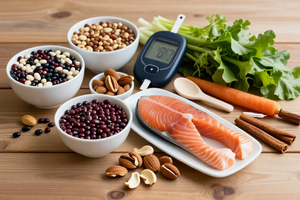
Legumes and pulses deserve special mention here. They are nutrient-dense packages of protein, fiber, iron, and several B vitamins. Soaking and sprouting lentils or beans (like moong dal or chickpeas) can further increase the bioavailability of minerals such as iron and zinc. Soaking also reduces antinutrients like phytic acid, making the minerals easier for your body to absorb.
When to test versus when to tweak diet
A common question is whether you should get blood work done at the first hint of low energy or brittle nails. The answer depends on how persistent and how many signs you're experiencing. If one symptom appears and resolves within a week or two after a few dietary adjustments, you're likely fine. But if you have two or more signs lasting longer than three weeks—especially if you belong to a higher-risk group—a blood test can provide clarity.
Lab ranges for nutrients like vitamin D, B12, and ferritin often have a "normal" range that includes suboptimal levels. Many experts now argue that being at the low end of normal is not ideal. So even if your results come back "within range," ask your provider whether they are within an optimal range for your age, activity level, and lifestyle.
The bottom line
Your body gives early warnings—you just have to know where to look. Pay attention to changes in your energy, mood, skin, hair, nails, and digestion. Address minor shifts with targeted food choices first. And if signs persist, testing can turn a vague feeling into a specific, actionable plan. Catching a deficiency before it becomes symptomatic is one of the most practical things you can do for your long-term health.