Scanning a nutrition label can feel like decoding a foreign language, especially when you are trying to make heart-smart choices about fat. Not all fat is the enemy, but sorting the good from the bad on a packaged food label takes a bit of know-how. Dietitians use a simple, consistent system to cut through the clutter. Here is a step-by-step look at how they read a label to find healthy fats — and what to ignore.
Step 1: Start with the serving size — not the whole package
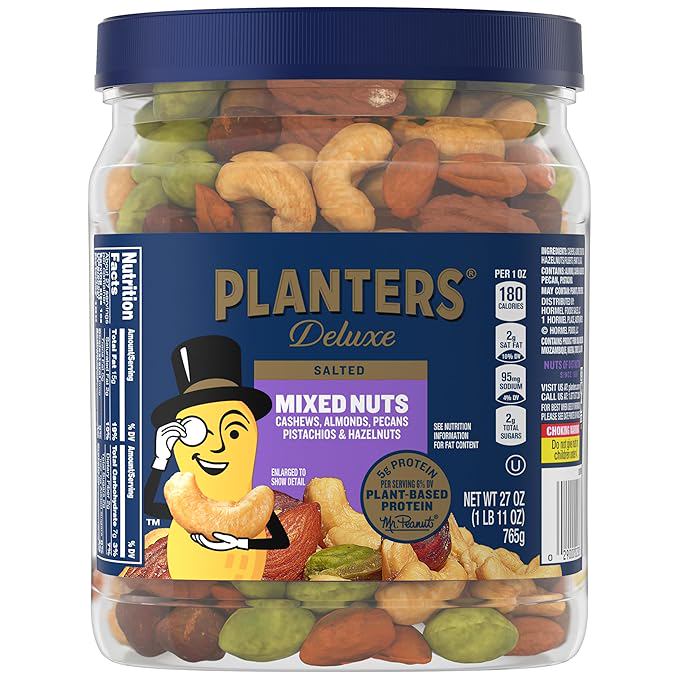
Before you look at any fat numbers, check the serving size at the top of the label. All the figures below that line — calories, fat grams, sodium — apply to one serving, not the entire container. A small bag of trail mix might list 180 calories per serving, but if the bag contains two servings, eating the whole thing doubles your fat and calorie intake without you realizing it.
Ask yourself: How many servings am I actually eating? If you know that number, the rest of the label makes sense. This first step keeps the rest of your fat-tracking honest.
Step 2: Look at total fat, then check the breakdown
Total fat on the label includes several kinds: unsaturated (the good guys), saturated, and trans fat. Dietitians start with the bottom line — total fat — but they don't stop there. They immediately scroll down to see what type of fat makes up that number.
Quick rule of thumb: Aim for foods with higher amounts of unsaturated fat (listed as polyunsaturated and monounsaturated on some labels) and keep saturated fat low — ideally less than 10 percent of your daily calories. Trans fat should be as close to zero as possible.
If a label shows 12 grams of total fat but 8 of those are saturated, that is a less healthy choice — even though total fat is moderate. On the flip side, a food with 15 grams of total fat but only 2 grams saturated and the rest from unsaturated sources can absolutely fit into a wellness-oriented diet.
Step 3: Use the % Daily Value as a guide, not a rule
The Percent Daily Value (%DV) on the right side of the label can be a helpful shortcut, but it has limits. For total fat, a %DV of 5 percent or less is considered low; 20 percent or more is high. This can help you compare two similar products quickly.
However, the %DV for fat is based on a 2,000-calorie diet and a general recommendation of 65 grams of total fat per day. If you eat more or fewer calories, your personal fat target will be different. The %DV also does not distinguish between types of fat — it lumps them all together. Use it as a rough signal, not a final verdict.
Step 4: Check the ingredients list for fat sources
Numbers tell only part of the story. Flip the package over (or scroll down on a digital label) to the ingredients list. This is where you can spot the actual sources of fat in the food.
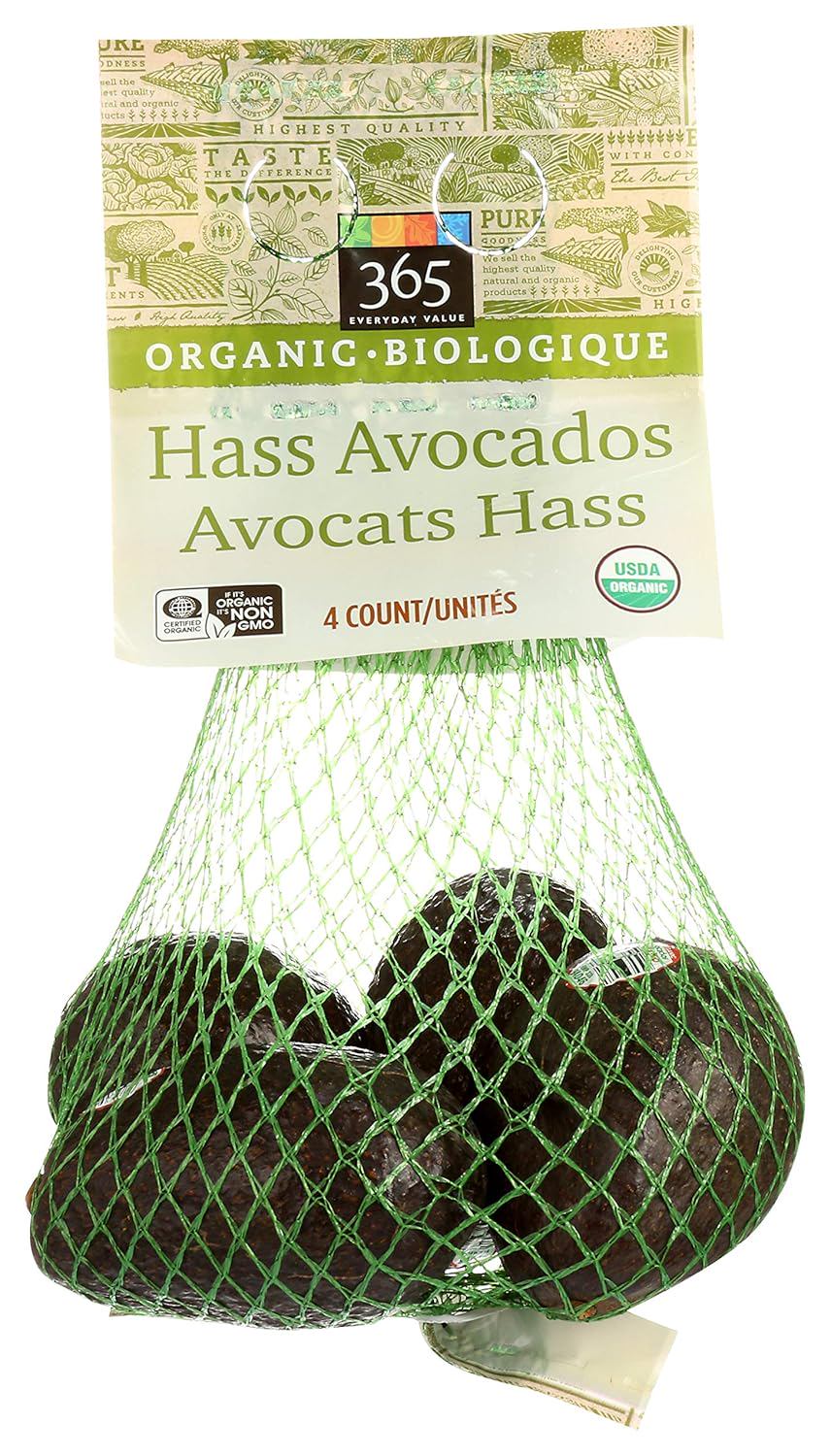
Look for words like olive oil, avocado oil, canola oil, nut oils, seeds, and fatty fish (like salmon or sardines) — these signal healthy unsaturated fats. On the other hand, if you see partially hydrogenated oil, hydrogenated oil, palm oil, palm kernel oil, or butter near the top of the list, the product likely contains more saturated or trans fat, even if the label claims zero trans fat (products with less than 0.5 grams per serving can legally round down to zero).
Putting it all together: a quick label-reading example
Imagine you are comparing two boxes of crackers. The first has 6 grams of total fat, 1.5 grams saturated, 0 grams trans, and lists olive oil as the third ingredient. The second has 5 grams total fat, 3 grams saturated, 0.5 grams trans (rounded), and lists palm oil as the second ingredient. Which is better? The first box — despite a slightly higher total fat, the fat profile is healthier because it comes from unsaturated sources with very little saturated or trans fat.
Learning to read a label this way takes practice, but once it becomes habit, you will make faster, cleaner choices at the grocery store. Focus on the big picture: prioritize unsaturated fats, minimize saturated and trans fats, and always check the ingredients list for the real story behind the numbers.