You’re in the zone, hitting your weekly workout targets, when a familiar ache creeps into your wrists. Maybe it’s during a push-up, a plank hold, or after a heavy dumbbell session. Wrist discomfort is one of the most common complaints among regular exercisers, and it can quickly derail your frequency if you don’t manage it smartly. The good news: you don’t have to pause your progress. According to trainers who work with wrist-sensitive clients every day, you can keep your workout cadence steady by making a few strategic adjustments to your form, equipment, and exercise selection.
Your wrists are complex joints, and they take a lot of impact during strength training, yoga, and even cardio. Overstressing them usually comes from repetitively loading them in a fully extended (bent-back) position under bodyweight or external weight. By understanding how to distribute that load and when to modify an exercise, you can protect your wrists without sacrificing the quality or frequency of your workouts.
Why Your Wrists Hurt During Workouts
Let’s start with the mechanics. Your wrist joint allows flexion, extension, and rotation. In many common exercises—especially planks, push-ups, and front-rack barbell positions—your wrist is forced into end-range extension (bent backward). Over time, or with too much weight too soon, the ligaments and tendons in the carpal tunnel can become irritated. Trainers point out that this is often a mobility issue, not just a strength issue. If your wrist extension mobility is limited, you’ll compensate by squeezing the joint tighter, which creates more stress.
Similarly, exercises like burpees, mountain climbers, and even some yoga flows (think Downward Dog and Chaturanga) repeatedly load that end-range position. The result is cumulative strain that can make even simple tasks like typing or opening a jar uncomfortable.
Adjust Your Form to Offload the Wrist Joint
The number one fix trainers recommend is changing your hand and arm alignment. Instead of planting your palms flat on the floor, use a neutral wrist position whenever possible. That means turning your hands out slightly or using your fists. For example:
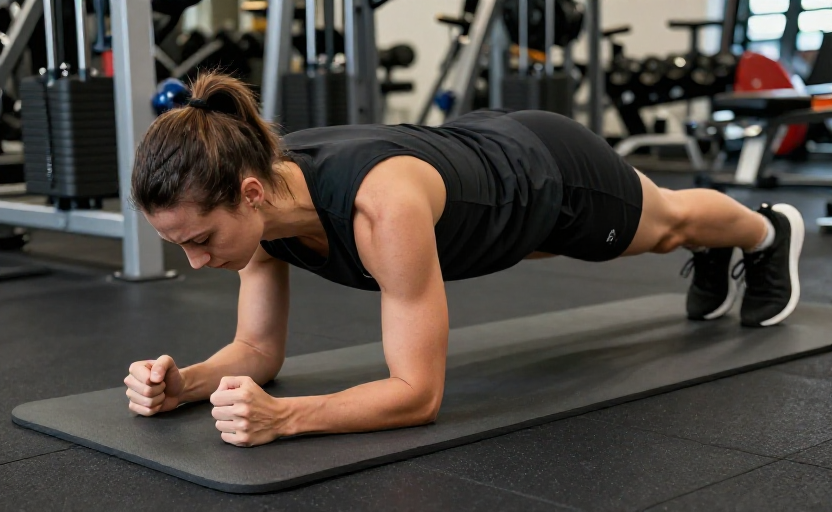
- Fist push-ups or planks: Make a fist with each hand and press your knuckles into the floor. Your wrist stays straight, and the load transfers down your arm to your knuckles. This alone can eliminate pain for many people.
- Dumbbell push-ups: Grip a pair of hex dumbbells so your wrists remain neutral. The handles act as natural wrist savers, allowing you to keep your chest and shoulder work intact.
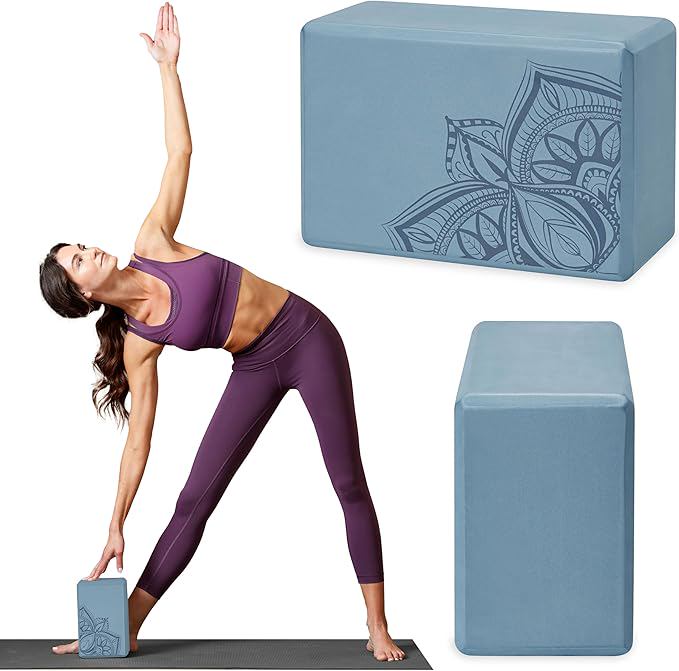
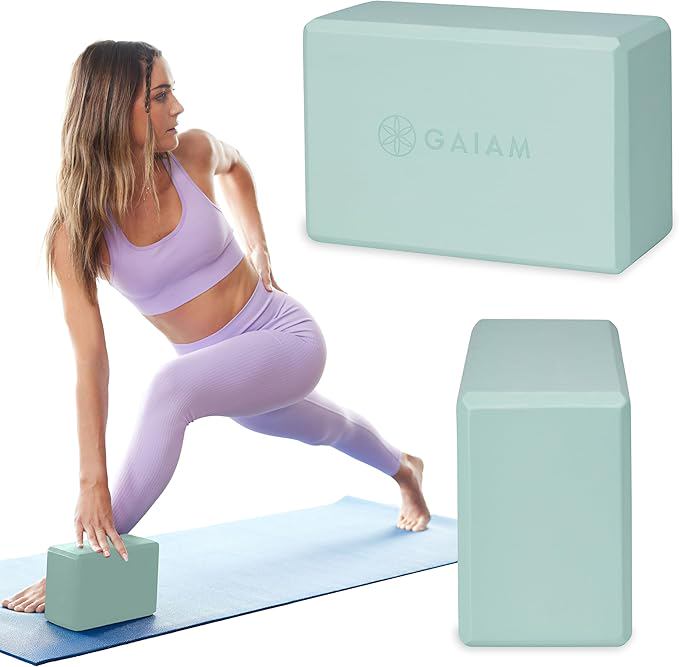
- Wedge or ramp hands: For yoga or floor-based work, place your hands on a small wedge, a folded mat, or even a pair of yoga blocks. The angle reduces the degree of extension, taking pressure off the joint.
A simple shift from flat palm to fist can drop wrist extension by 30 to 40 degrees, completely changing the strain profile.
Equipment That Lets You Keep Going
Good equipment is a game-changer for maintaining frequency. If you skip workouts because your wrists hurt, a few affordable tools can make all the difference:
- Wrist wraps with a loop: These allow you to hook your thumb and wrap the material around your wrist. They provide passive support and limit how far back your wrist can bend during presses and carries.
- Push-up stands or parallettes: By elevating your hands and allowing them to rotate slightly, you keep your wrists straight. This is one of the easiest fixes for push-up frequency.
- Fat grips or bar pads: For pulling exercises like rows or deadlifts, a thicker grip reduces the need to squeeze the bar as tightly, which indirectly relieves tension on the wrist tendons.
Remember, you don’t need to buy everything at once. Start with the modification that matches your most frequent pain point. If push-ups hurt, get push-up stands. If your wrists ache during planks, try the fist position first.
Trainer-Approved Substitutions That Keep Workout Volume High
Wrist pain often forces people to skip whole movement categories. But trainers stress that you can swap in alternative exercises that hit the same muscles without the wrist strain. Here are direct substitutions:
- For push-ups: Replace floor push-ups with incline push-ups (hands on a bench or box) or chest presses with dumbbells using a neutral grip (palms facing each other).
- For planks: Use forearm planks exclusively. No wrist extension at all. You can still progress by lifting one leg or adding a hip dip.
- For burpees: Do step-back burpees where you step your feet back one at a time instead of jumping into the plank position. Better yet, use a box to keep your hands elevated.
- For front squats: Try using a cross-arm grip (bodybuilder style) or straps to hold the bar in place without bending your wrists backward.
These swaps let you maintain your set count and intensity. Your muscles still get worked, and your heart rate stays up. The only thing that changes is the stress on your wrists.
Mobility Drills and Recovery to Prevent Future Pain
Preventive care is just as important as immediate modifications. Trainers recommend doing two to three minutes of wrist mobility work before every upper-body session. The goal is to improve extension and flexion range of motion without forcing it. Try these:
- Wrist circles: Gently rotate each wrist in both directions, moving through the full pain-free range.
- Finger walks: With your palm flat on a table, walk your fingers forward and backward, then side to side, stretching the connective tissues.
- Stretch extensions: Hold one hand out, palm up, and use your other hand to gently pull your fingers back. Hold for 20 seconds, then switch to palm down and press your fingers down.
Between workouts, avoid resting your wrists in a bent position (like on a laptop edge). Ice or contrast baths can help if you have mild inflammation, but persistent pain means it’s time to see a physical therapist.
When to Adjust Frequency vs. Intensity
Here’s the heart of the maintenance question. If your wrist pain is mild (a 1–2 out of 10 soreness that fades as you warm up), you can likely keep your usual workout frequency. Just focus on form modifications and equipment. If the pain is moderate (3–4 out of 10 and stays throughout the session), cut the volume or intensity of wrist-loaded exercises by half. For example, do only half your usual push-ups, or use a lighter weight for presses.
Pain of 5 or higher during exercise is a signal to stop and consult a professional. It’s better to take three days off to heal than to push through and lose three weeks of training.
Track your pain levels before and after each session. If you notice a trend of increasing soreness, pull back. You can always supplement with lower-body or core work that doesn’t involve the wrists—like leg presses, step-ups, dead bugs, and side planks.
Maintaining your workout frequency isn’t about ignoring the pain and hoping it goes away. It’s about being smarter about how you load your joints. With the right hand positions, simple equipment, and thoughtful exercise substitutions, you can keep your weekly routine intact while giving your wrists the relief they need. Listen to your body, adjust your setup, and you’ll stay consistent without the ache.