For anyone eating a plant-based diet, the question of omega-3s inevitably comes up. Fish and shellfish are famously rich in the long-chain omega-3 fatty acids EPA and DHA — the forms most directly used by the body for heart, brain, and eye health. But what if you don't eat fish? Whether you're vegan, vegetarian, or simply looking to reduce your reliance on seafood, getting enough of these essential fats requires a slightly different strategy. The good news is that with the right knowledge, it's entirely possible to meet your needs through plant sources, algae, and smart supplementation.
Why Omega-3s Matter and What the Body Actually Needs
The three main types of omega-3 fatty acids are alpha-linolenic acid (ALA), eicosapentaenoic acid (EPA), and docosahexaenoic acid (DHA). ALA is the essential plant-based omega-3 found in foods like flaxseeds, chia seeds, and walnuts. Your body can convert some ALA into EPA and DHA, but this conversion process is inefficient — only about 5-10% of ALA is converted to EPA and 2-5% to DHA in most people. This is why plant-based eaters need to be strategic.
A key distinction: ALA is the starting material, but EPA and DHA are the forms most actively used by the body. Fish get their EPA and DHA from eating algae — which is why algae-based supplements are a direct, fish-free option.
Best Plant Sources of Omega-3s (ALA-Rich Foods)
While the conversion rate is low, eating plenty of ALA-rich foods is the foundation of a plant-based omega-3 strategy. The body will still use some ALA directly for energy, and the conversion that does happen can be optimized by keeping your overall omega-6 to omega-3 ratio in balance (meaning, not overdoing processed vegetable oils).
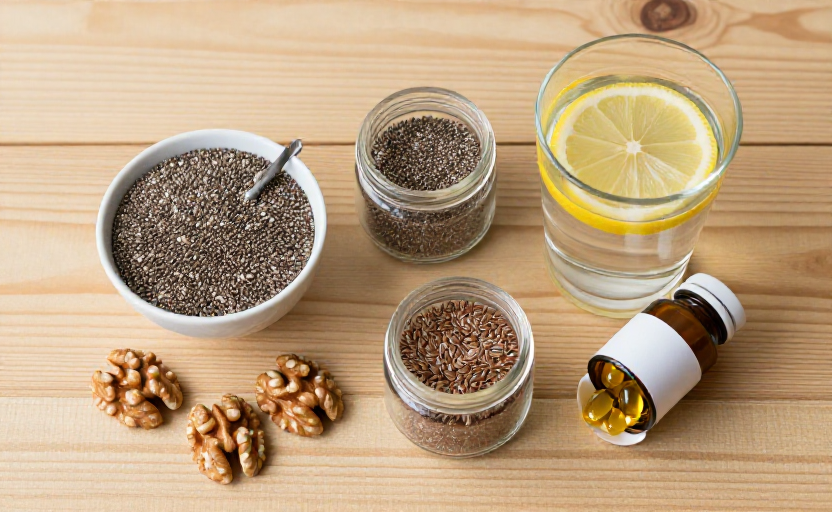
- Flaxseeds and flaxseed oil: One tablespoon of ground flaxseeds provides about 1.6 grams of ALA. Flaxseed oil is even more concentrated — about 7 grams per tablespoon. Always store ground flaxseeds in the fridge to keep them fresh.
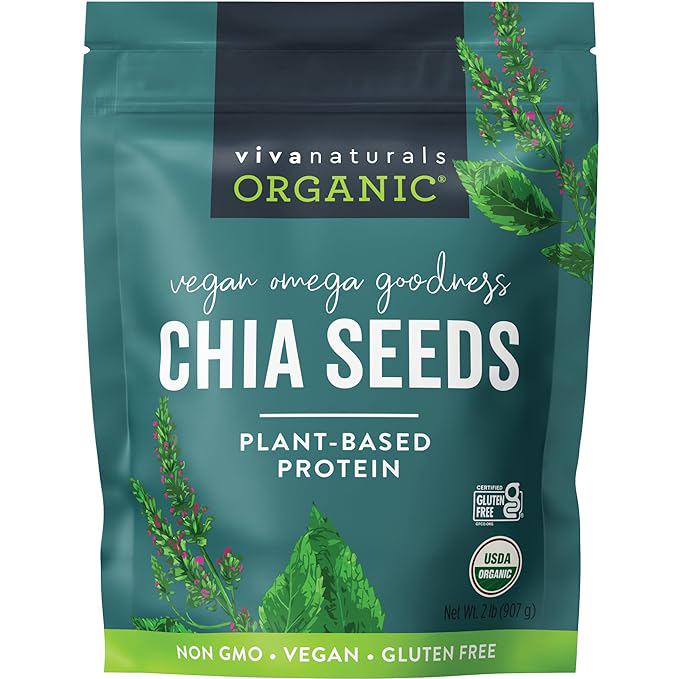
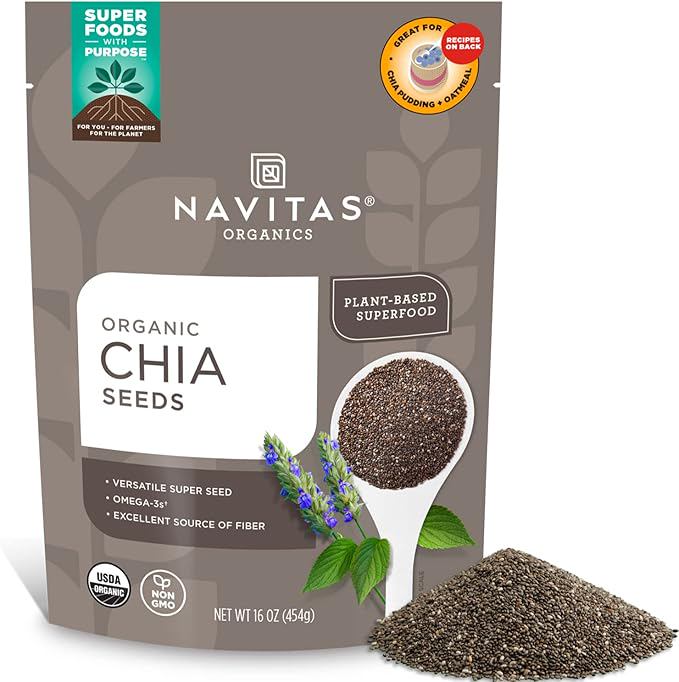
- Chia seeds: Two tablespoons of chia seeds pack roughly 5 grams of ALA. They're easy to add to smoothies, oatmeal, or chia pudding.
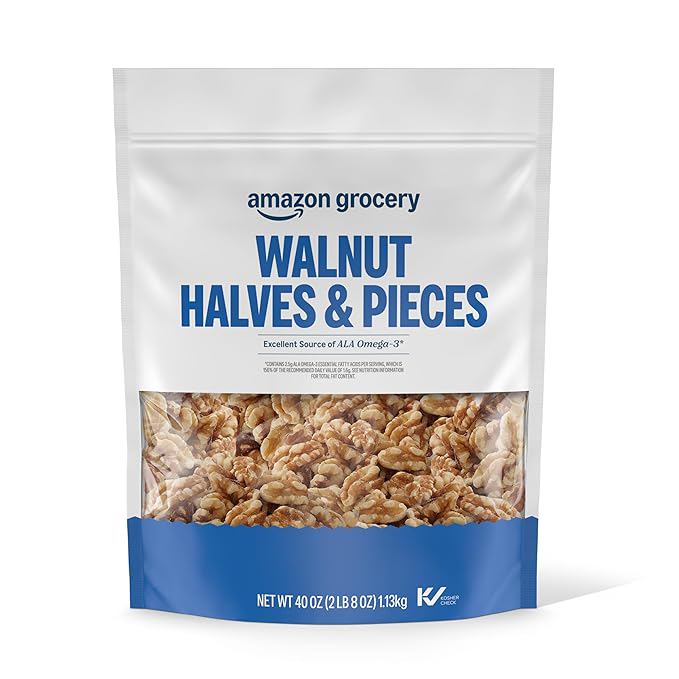
- Walnuts: A quarter-cup of walnuts offers about 2.5 grams of ALA. Perfect for snacking or topping salads.
- Hemp seeds: Three tablespoons provide about 2.6 grams of ALA, plus a good dose of protein and magnesium.
- Edamame and tofu: Soy foods contribute modest amounts of ALA. Half a cup of edamame has about 0.3 grams, but they're also a great protein source.
- Canola oil and soybean oil: Common cooking oils that add ALA to your daily intake — about 1.3 grams per tablespoon for canola oil.
To get the most from these foods, grind your flaxseeds (whole seeds pass through undigested) and aim for a couple of servings of ALA-rich foods each day.
The Direct Route: Algae-Based EPA and DHA
If you want to skip the conversion step entirely, look to algae. Microalgae are the original source of EPA and DHA — the very same algae that fish eat to accumulate these fats in their tissues. Algae oil supplements (sometimes labeled as vegan DHA or algal oil) provide pre-formed EPA and DHA in doses comparable to fish oil.
Many plant-based eaters find it reassuring to take a direct DHA/EPA supplement a few times a week. For pregnant or breastfeeding individuals, this can be especially important for fetal and infant brain development. Be sure to choose a reputable brand that tests for purity and freshness, as these oils can oxidize over time.
How Much Omega-3 Do You Really Need?
General health organizations recommend a daily intake of about 1.1-1.6 grams of ALA for adults, with higher needs during pregnancy and lactation. For EPA and DHA specifically, many experts recommend at least 250-500 mg per day for general health. Plant-based eaters can achieve this with a combination of ALA-rich foods and an algae-based supplement.
A practical tip: If you're relying solely on ALA conversion, consider keeping your intake of omega-6-rich oils like corn, sunflower, and safflower oil moderate — high omega-6 levels can compete for the same conversion enzymes and reduce the amount of EPA and DHA your body makes from ALA.
Common Mistakes Plant-Based Eaters Make with Omega-3s
- Relying only on flax oil without shaking the bottle: The ALA in flax oil settles. Always shake well before measuring.
- Storing seeds and oils in a warm, bright place: Omega-3 fats are delicate and oxidize easily. Keep flaxseeds, chia seeds, and oils in the refrigerator or a cool, dark cabinet.
- Overlooking the need for DHA during pregnancy: DHA is critical for fetal brain and eye development. Pregnant and nursing individuals on a plant-based diet should almost certainly take an algae-based DHA supplement.
- Eating too many omega-6s: While not a mistake per se, a diet heavy in processed foods and fried items is often high in omega-6s. Balancing these with omega-3s supports better conversion.
Should You Take a Supplement?
For most healthy adults eating a diverse plant-based diet, omega-3 status is fine — especially if you're young and active. That said, a supplement can offer peace of mind and a reliable baseline. Algae oil supplements are widely available in capsule and liquid forms. Look for products that list both EPA and DHA content, not just total omega-3s.
If you decide to supplement, talk with a healthcare provider about what dose is right for your individual health profile. General guidance is typically 200-500 mg of combined EPA/DHA per day, but needs vary.
Getting omega-3s without fish is not only possible — it can be a simple, enjoyable part of a well-planned plant-based lifestyle. By eating a variety of ALA-rich seeds and nuts, and considering an algae-based supplement when needed, you can support your heart, brain, and whole body without ever touching a fish.