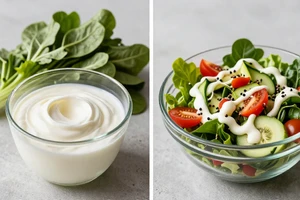
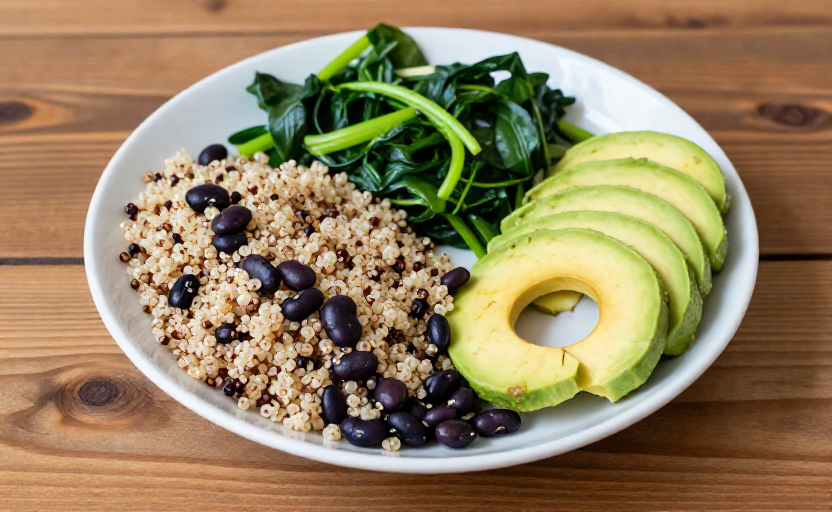
Building a balanced plant-based meal is simpler than many people think, yet a common worry is getting enough protein. This concern is understandable—protein is essential for muscle repair, immune function, and steady energy—but it’s also entirely manageable on a plant-forward diet. The key is understanding which plant foods are rich in protein and how to combine them for a complete nutritional profile.
A balanced plant-based meal doesn’t require complicated recipes or expensive powders. It’s about choosing whole foods that work together. Whether you’re shifting toward Meatless Mondays or fully vegan, this guide will show you how to assemble plates that are satisfying, nutrient-dense, and delicious.
What Does a Complete Plant Protein Look Like?
A protein is made up of amino acids. Of the twenty-two amino acids, nine are considered essential because your body cannot produce them—they must come from food. Animal proteins naturally contain all nine, giving them the label “complete.” Most plant proteins, however, are missing one or more of these essential amino acids.
That’s where the concept of protein complementation comes in. You don’t need to eat everything at the same meal, but consuming a variety of plant proteins throughout the day ensures you get all the amino acids you need. Grains are typically low in lysine, while legumes are rich in it. Nuts and seeds often lack methionine, which grains provide in greater amounts. By pairing these foods, you create a complete protein profile without trying very hard.
Classic Pairings That Work
- Rice and beans (a centuries-old staple across many cultures)
- Hummus and whole-wheat pita
- Lentil soup with a side of barley or quinoa
- Tofu stir-fry over brown rice
- Peanut butter on whole-grain bread
Top Plant-Based Protein Sources to Keep on Hand
A well-stocked pantry makes balanced meals effortless. Here are the most versatile, protein-rich plant foods.
Legumes (Beans, Lentils, Chickpeas)
Legumes are the backbone of plant-based protein. A single cup of cooked lentils provides about 18 grams of protein, along with fiber, iron, and folate. Chickpeas, black beans, and kidney beans offer similar benefits. Canned versions are fine—just rinse them to reduce sodium.
Soy Foods (Tofu, Tempeh, Edamame)
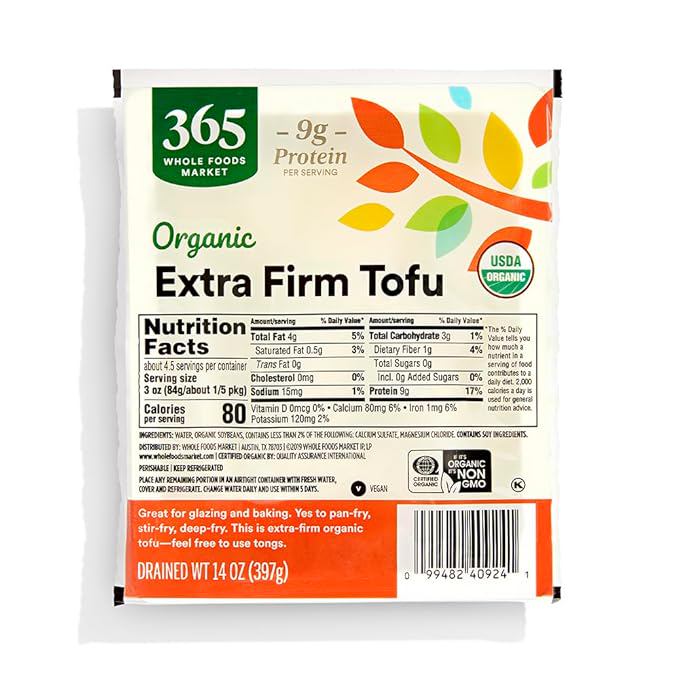
Soy is unique because it’s a plant food that offers a complete protein on its own. Half a cup of firm tofu contains roughly 20 grams of protein. Tempeh, a fermented soybean product, has a firmer texture and a nutty flavor, with about 15 grams per half-cup. Edamame (young soybeans) makes a quick snack or salad addition with around 9 grams per half-cup.
Whole Grains (Quinoa, Farro, Oats, Barley)
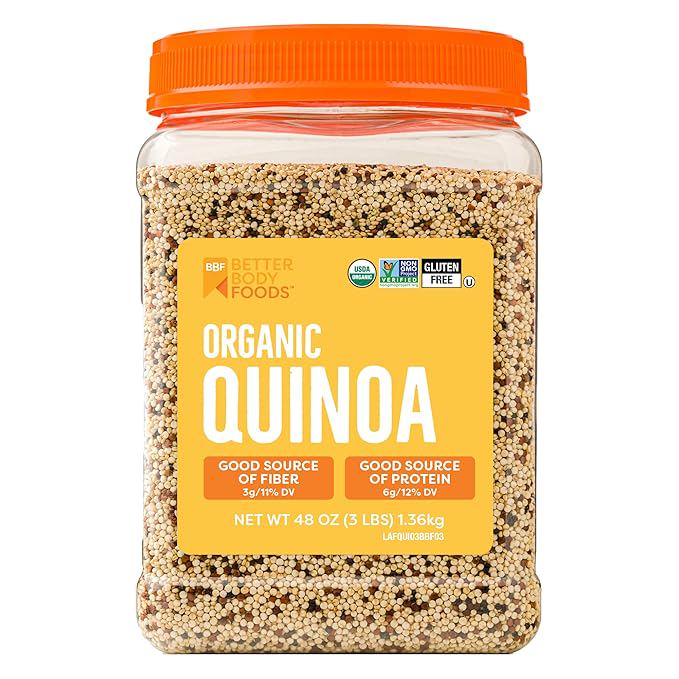
Grains contribute more protein than most people realize. Quinoa is a standout because it’s a complete protein. One cup of cooked quinoa offers 8 grams of protein plus all nine essential amino acids. Farro, barley, and even oats (about 6 grams per cup cooked) are excellent supporting players.
Nuts, Seeds, and Nut Butters
These are concentrated sources of protein and healthy fats. A ¼-cup of almonds has about 7 grams of protein, while pumpkin seeds pack 8 grams in the same portion. Hemp seeds are particularly impressive, with 10 grams per 3 tablespoons. Nut butters—peanut, almond, cashew—are easy to add to smoothies, toast, or sauces.
How to Build Your Balanced Plate
A simple framework can help any meal feel complete. Think of your plate in three rough sections:
- One-quarter protein: Choose a legume, soy product, or seed-based option.
- One-quarter complex carbohydrate: Make this a whole grain or starchy vegetable like sweet potato.
- One-half vegetables: Go for variety and color—leafy greens, bell peppers, broccoli, carrots, mushrooms.
Add a small amount of healthy fat, such as avocado, olive oil, or tahini, to aid absorption of fat-soluble vitamins and add flavor. This template works for lunch, dinner, and even breakfast if you think of oats as a grain and add nut butter and berries.
A helpful tip: start with what you already like. If you enjoy peanut butter, build a meal around it. Try it on whole-grain toast with sliced banana for breakfast, or stir it into a Thai-style sauce over rice and vegetables for dinner.
Sample Meal Ideas for Every Time of Day
Translating the plate framework into actual meals can feel less abstract with these examples.
Breakfast: Savory Oat Bowl
Cook rolled oats with water or plant milk. Top with sautéed spinach, cherry tomatoes, and a quarter-cup of cooked black beans. Drizzle with tahini or sprinkle with hemp seeds. This bowl provides about 20 grams of protein, plus fiber and iron.
Lunch: Quinoa and Chickpea Salad
Toss cooked quinoa with rinsed chickpeas, diced cucumber, red bell pepper, red onion, and fresh parsley. Dress with lemon juice, olive oil, salt, and pepper. Add a handful of arugula. This meal offers roughly 18–22 grams of protein and keeps well for meal prep.
Dinner: Stir-Fried Tofu and Vegetables
Press extra-firm tofu, cube it, and pan-fry until golden. Stir-fry broccoli, bell peppers, snap peas, and shredded carrots with garlic and ginger. Add the tofu back in with a sauce made from tamari, lime juice, and a touch of maple syrup. Serve over brown rice. Protein content lands around 25–30 grams per serving.
Snack: Apple Slices with Almond Butter
A simple, satisfying snack that provides protein, fiber, and healthy fats. Add a sprinkle of chia seeds for extra omega-3s.
Common Questions About Plant-Based Protein
Do I need to eat protein at every meal?
Spreading protein intake across meals is helpful for satiety and steady blood sugar, but it’s not strictly necessary to “complete” proteins at each sitting. Your body pools amino acids from the day’s meals. Focus on variety over timing.
Is it possible to get enough protein without supplements?
Yes, entirely. Whole foods like legumes, tofu, tempeh, grains, nuts, and seeds provide ample protein for nearly all adults. Supplements are convenient for some, but they aren’t a necessity for meeting daily protein needs on a plant-based diet.
Should I worry about iron and B12?
Plant-based eaters should pay attention to iron (found in lentils, spinach, and fortified cereals) and pair it with vitamin C for absorption—think lemon on spinach salad. Vitamin B12 is not naturally present in plant foods, so a supplement or fortified foods (like plant milks or nutritional yeast) are recommended for those following a fully vegan diet.