When you are preparing for childbirth, a lot of focus falls on your pelvic floor and your core. But there is a quiet player in the back of the legs that can throw the whole process off balance: your hamstrings. If you have been struggling with a deep ache behind your thighs or a feeling that your hips are constantly locked up, those tight hamstrings are not just a nuisance in your yoga practice—they can influence how your pelvis opens during labor.
In a prenatal yoga context, we look at the hamstrings as a key link in a kinetic chain that runs from your feet up through your lower back. When they are chronically shortened or overworked, they pull directly on the sitting bones (ischial tuberosities), which, in turn, can tilt the pelvis backward. This posterior tilt is the exact opposite of the open, forward-leaning positions that often help a baby descend into the birth canal. Understanding this connection is the first step to using prenatal yoga to soften the tension, not just in the legs, but in the whole birth-ready pelvis.
Why tight hamstrings restrict pelvic mobility
Your hamstrings are attached to the bottom of your pelvis. When they are tight, they exert a constant downward pull on your sitting bones. Imagine wearing a pair of shorts that are sewn too tight at the hem—the fabric tugs everything downward. That tug brings your pelvis into a posterior tilt, flattening your lower back and closing off the space at the front of your hips (the anterior pelvic inlet).
During labor, you need the ability to move your pelvis in a full circle—to rock, sway, and squat. A posterior tilt locks you into a smaller, more rigid range of motion. This makes it harder for the baby to navigate through the pelvic brim. The result? Longer, more uncomfortable early labor and a greater likelihood of getting stuck in positions that feel impossible to maintain.
From a prenatal yoga perspective, the goal is not to force the hamstrings to lengthen overnight. It is to wake up the opposing muscles (the quadriceps and hip flexors) and to teach your brain that it can release the death grip on the back of your legs. This is where mindful movement becomes your best tool.
Red flags in your yoga practice
If you are pregnant and still attending a regular vinyasa class without modifications, you might be reinforcing the tightness. Here are a few common scenarios that signal the hamstrings are dominating:
- Rounding in forward folds. If you bend forward and your back looks like a C-curve instead of hinging from the hips, your hamstrings are pulling your sitting bones toward the floor. This makes it nearly impossible to get a neutral spine.
- Bent knees in downward dog. If your heels hover high and your knees stay bent, your hamstrings are in a constant state of guarding. You are not getting a stretch—you are just reinforcing the contraction.
- Sitting back in malasana (garland pose). If you try to squat (yogic squat) and your heels pop off the ground or your tailbone tucks under, your hamstrings are stealing the show. They pull the pelvis backward, making it impossible to sit upright in the squat.
Recognizing these signs is important because during labor you will rely on upright, open positions. If your hamstrings are reflexively contracting in these shapes now, they will do the same thing when you are in active labor.
Prenatal yoga strategies to release the hamstrings
The key is to work with the hamstrings gently, never aggressively pulling or bouncing into a stretch. Pregnancy hormones like relaxin make joints more mobile, but the muscles themselves can still be stubborn. Here are a few approaches that fit well into a prenatal yoga practice:
Support the pelvis first
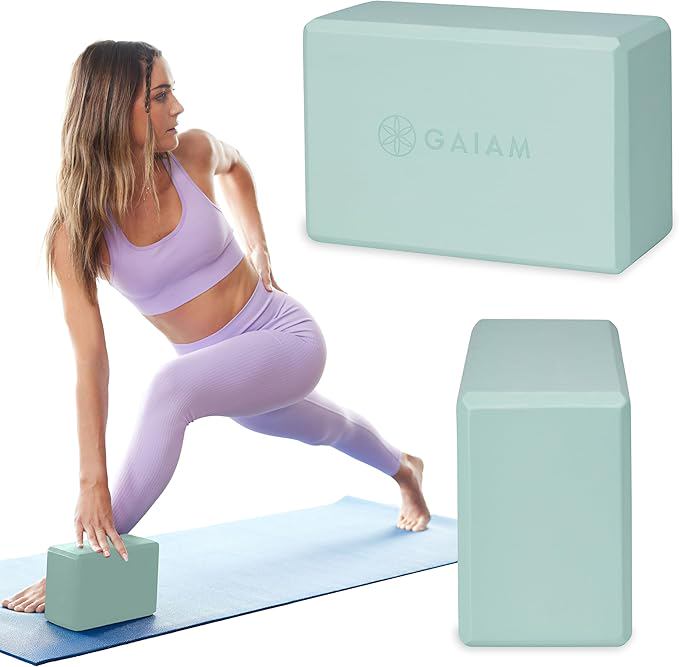
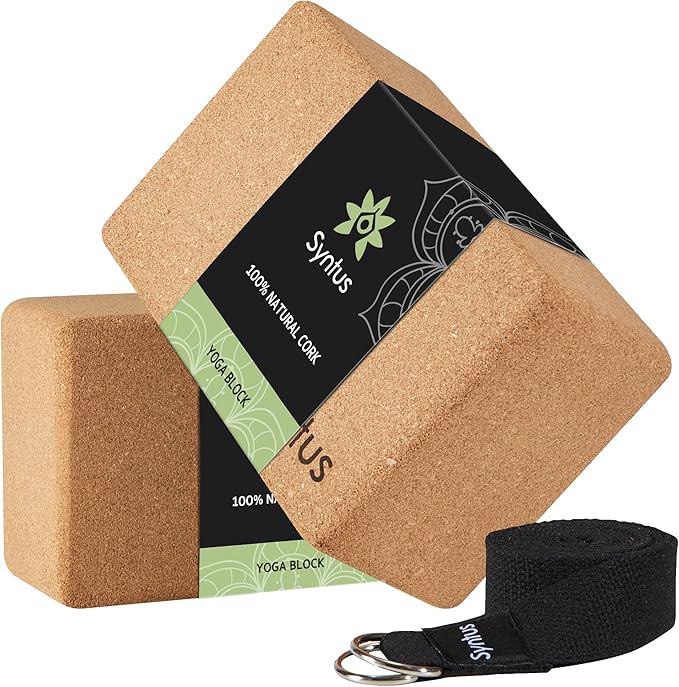
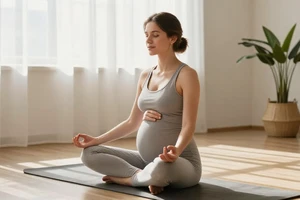
Before you try to lengthen the hamstrings, give the pelvis a chance to tilt forward. Sit on a folded blanket or a yoga block. This lifts your sitting bones higher than your knees, which automatically encourages an anterior pelvic tilt. From here, any forward fold becomes a stretch for the back of the legs without pulling the lower back into a painful curve.
Active, not passive, lengthening
Rather than holding a seated forward fold and waiting for the hamstrings to let go, try a dynamic approach. Lie on your back with your legs extended up the wall. Press the back of your thighs actively into the wall for five seconds, then relax. This contract-relax technique (a form of PNF stretching) helps the nervous system realize it is safe to release the muscle fibers. Do this for one to two minutes per leg.
Focus on the hip flexors
Often, tight hamstrings are a compensation for weak or tight hip flexors. In prenatal yoga, poses like a supported low lunge (with the back knee on a blanket) can help. When the front of the hip softens, the pelvis can move into a neutral position, and the hamstrings stop being pulled into a protective shortening.
A simple mantra: the pelvis opens from the front, not from the back. If you can release the front of the hips, your hamstrings will start to calm down on their own.
The labor connection: why this matters during delivery
During the first stage of labor, the baby needs to navigate through the pelvic inlet and then rotate through the midpelvis. If your pelvis is stuck in a posterior tilt (because the hamstrings are pulling the sitting bones down), that inlet becomes narrower. Research on maternal positioning—even if it is not exhaustive—consistently shows that upright, forward-leaning positions (think leaning over a birth ball, gripping the edge of a bed, or slow dancing with a partner) allow the pelvic diameter to open by up to 30% compared to lying flat on the back. Tight hamstrings directly interfere with your ability to hold these positions.
On a practical level, if you cannot comfortably sit in a deep squat or maintain a forward lean because your hamstrings scream after thirty seconds, you will default to positions that close the pelvis. This can slow labor, increase the need for interventions, and make the experience more painful than it needs to be.
It is not about being flexible enough to do the splits. It is about having enough freedom in your hamstrings to let the pelvis tilt forward and the baby descend without a fight. A prenatal yoga practice that respects this can make a measurable difference in how your labor unfolds.
Putting it together in a home practice
Here is a short sequence you can do daily—no more than ten to fifteen minutes. It targets the hamstrings without triggering a protective reflex.
- Supine twist with bent knees (2 minutes each side). Keeps the hamstrings relaxed while the spine and hips get movement.
- Legs up the wall with active press (3 minutes). As described above, press into the wall and release.
- Supported malasana (yogic squat) with a blanket under the heels (2 minutes). Keep your sitting bones heavy and your chest lifted. Do not let the tailbone tuck under.
- Cat-cow stretch on hands and knees (2 minutes). Focus on the tilt of the pelvis in cow pose—let the belly drop and the tailbone lift.
- Side-lying relaxation on the left side (5 minutes). Place a pillow between your knees and focus on softening your thighs and hips.
This sequence prioritizes pelvic mobility over hamstring isolation. Over a few consistent weeks, you should notice that standing forward folds feel less desperate and that your squat sits deeper without your tailbone tucking. That is the signal that your pelvis is opening for labor.
Remember, every body is different. If you have a history of pelvic pain, sciatica, or a known pelvic floor condition, it is wise to work with a prenatal yoga teacher or a pelvic physical therapist who can adjust these suggestions to your specific anatomy. The goal is not to eliminate all tightness—some degree of muscle tension is protective. The goal is to ensure that your hamstrings are not running the show when your baby is ready to make their entrance.