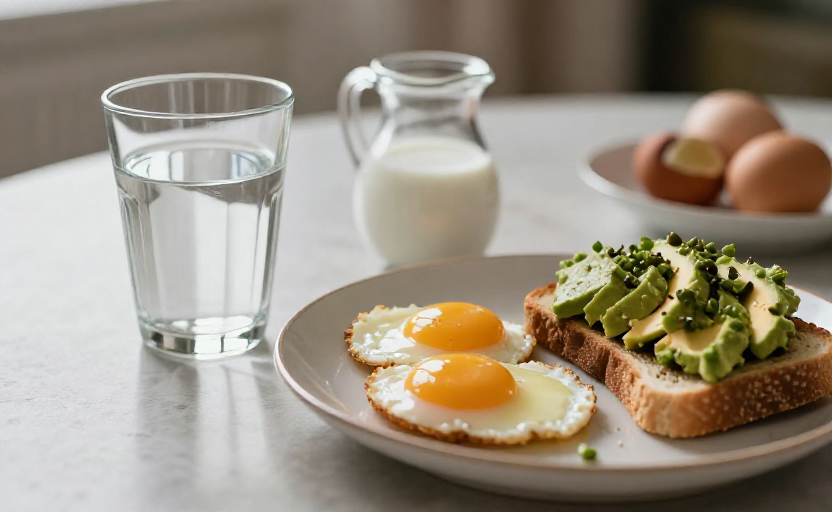
We have all felt that heavy, sluggish sensation after a rich, fatty breakfast — the kind that lingers well past mid-morning. While the composition of your meal matters, one overlooked factor can dramatically influence how your body handles that load: hydration. The interplay between water intake and the digestion of dietary fat is a delicate dance, and getting it right might be the key to skipping that post-breakfast fog.
Digestion is a water-intensive process. Your stomach, pancreas, and liver require ample fluid to produce gastric juices, bile, and enzymes. When you start a high-fat day dehydrated — which many of us are after a night's sleep — the entire digestive system operates at a disadvantage. Experts in gastroenterology and nutrition emphasize that water does more than just wash things down; it actively helps emulsify fats, allowing enzymes to break them into absorbable particles.
Why Fat Digestion Is Especially Thirsty Work
Unlike carbohydrates, which begin breaking down in the mouth, fats travel through the stomach largely intact before reaching the small intestine. Here, the gallbladder releases bile — a fluid made primarily of water, bile salts, and cholesterol. Bile acts like a detergent, breaking large fat globules into tiny droplets, a process called emulsification. Without sufficient hydration, bile becomes concentrated and less effective, slowing down the entire process.
“Water is the medium for nearly every biochemical reaction in the gut,” says Dr. Elena Torres, a gastroenterologist based in New York. “After a high-fat meal, the body prioritizes bile production. If you are even slightly dehydrated, the pancreas can also struggle to release enough lipase, the enzyme that actually digests fat.” This can lead to bloating, indigestion, and a feeling of uncomfortable fullness that lasts for hours.
One Simple Morning Habit
A practical recommendation from many registered dietitians is to drink a glass of water shortly after waking, before your coffee or breakfast. This rehydrates the body after sleep and primes the digestive tract. “Start with water, then wait 15 to 20 minutes before eating a high-fat breakfast,” suggests Sarah Jenkins, a clinical dietitian in Chicago. “It gives your stomach a head start without diluting the gastric acids you need for digestion.”
Does Drinking Water During a Meal Help or Hurt?
A common concern is whether sipping water with food dilutes stomach acid and impairs digestion. The evidence suggests that for most people, moderate water intake during a meal is not harmful and may actually aid the breakdown of solid food. The stomach is remarkably good at maintaining its acidic pH, and the volume of water typically consumed with a meal is not enough to disrupt it.
However, gulping large amounts of water alongside a high-fat meal can distend the stomach quickly, potentially worsening feelings of fullness and discomfort. The better approach is to sip small amounts throughout the meal. “Think of it as helping the stomach turn the meal into chyme — a semi-fluid mix that moves into the small intestine — rather than flooding it,” Jenkins adds.
Signs Your Digestion Needs More Fluid
If you frequently feel unusually heavy after a fatty breakfast, your body may be signaling a need for better hydration. Common clues include:
- Persistent bloating that resolves later in the day after you have had more fluids.
- Hard or infrequent stools, as water is crucial for fiber to move fat residues through the colon.
- Mid-morning fatigue that is not solely linked to blood sugar — digestion that has stalled because of low fluid volume can tax your energy.
Beyond Water: Other Hydrating Options
Plain water is the gold standard, but herb tea (such as peppermint or ginger), clear broth, or even fruits like watermelon and cucumber contribute to total fluid intake. Caffeinated drinks like coffee have a mild diuretic effect, but they still provide net hydration for most people. The key is to overall fluid intake, not just what you drink right at the table.
What Experts Recommend for a Smooth Start
The consensus among nutrition specialists is clear: prepare your digestive system for a high-fat meal by checking your hydration status first. A simple method is to monitor the color of your morning urine — pale yellow suggests adequate hydration, while dark amber signals a need to drink more.
“Your first glass of water in the morning is just as important as the first bite of breakfast. It sets the stage for how your body will handle fat digestion, nutrient absorption, and even your energy levels for the next few hours.” — Dr. Elena Torres
Pair this with eating slowly, chewing thoroughly, and avoiding ice-cold drinks if they cause stomach cramping. These small adjustments can make a significant difference in how your body processes a high-fat meal, turning a potential drag on your day into steady, sustainable fuel.