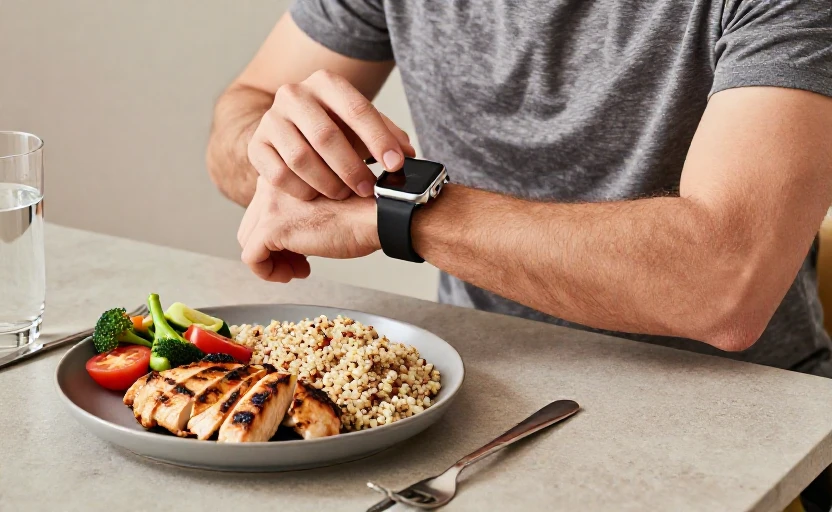
You’ve got your workout plan dialed in—maybe it’s three days of strength training, five days of running, or a daily yoga flow. But what about the fuel? When you eat can be just as important as what you eat for feeling energized during your session and recovering well afterward. It’s not about rigid rules or eating by the clock, but about syncing your nutrition with your body’s rhythms and demands.
Think of it as a form of nutritional periodization, matching your intake to your output. The goal is to support your performance, help your muscles repair, and keep your overall energy steady, whether you’re an early-morning exerciser or an evening class regular. Here’s how dietitians frame the approach to meal timing based on how often you hit the gym, the trail, or the mat.
The Foundation: Consistency and Quality First
Before we talk timing, let’s settle the basics. No schedule can compensate for a diet that’s lacking in quality nutrients. Your overall daily intake of carbohydrates for energy, protein for repair, healthy fats for hormone function, and a rainbow of fruits and vegetables for micronutrients is the non-negotiable foundation. Timing strategies are the fine-tuning on top of that solid base.
Your best meal timing strategy is the one you can consistently follow. It should reduce stress, not create it.
Listen to your body’s hunger and fullness cues. Some people feel nauseous if they eat too close to a workout; others feel weak if they don’t. Use these principles as a flexible framework, not a strict mandate.
For the Occasional Exerciser (1-2 Days a Week)
If your workout routine is more sporadic, your focus should be on general daily nourishment rather than precise peri-workout nutrition. Since most of your days are not intense training days, your body doesn’t have the same recurrent demand for rapid fuel replenishment.
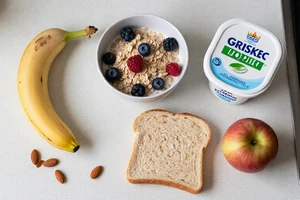
Aim for balanced meals and snacks throughout the day. On your workout day, pay a little more attention to the meal or snack preceding your session. A combination of carbs and a little protein about 1 to 3 hours beforehand can provide a nice energy lift. Think a banana with a spoonful of nut butter, or some yogurt with berries.
Post-workout, simply returning to your normal, balanced eating pattern for the day is usually sufficient. There’s no urgent “anabolic window” to panic about. Just ensure your next meal includes some protein and carbohydrates.
For the Regular Mover (3-4 Days a Week)
This is a common sweet spot for many, balancing activity with recovery days. With workouts happening every other day or so, recovery nutrition becomes more relevant to prepare for the next session.
The Pre-Workout Fuel
Your last substantial meal should ideally be 2 to 4 hours before exercise. This allows for digestion so blood flow can focus on your muscles, not your gut. A plate with complex carbs (like oats, sweet potato, or whole grains), a moderate portion of protein, and some veggies works well.
If you’re exercising within an hour or two, a smaller, easily digestible carb-focused snack is key. A piece of fruit, a rice cake, or a small smoothie can top off your glycogen stores without sitting heavily.
The Recovery Refuel
Here’s where timing starts to matter a bit more. After a moderate to vigorous session, aim to eat a meal or substantial snack within 2 hours. This helps replenish muscle glycogen and provides amino acids for repair. Combining carbs and protein is the goal—like a chicken and quinoa bowl, a turkey sandwich, or scrambled eggs with toast.
On your rest days, don’t neglect nutrition. These are the days your body does the actual repairing and strengthening. Keep meals balanced and consistent to support that process.
For the Frequent Trainer (5-7 Days a Week)
High-frequency training, whether it’s daily CrossFit, running, or split bodybuilding routines, places sustained demand on your body. Nutrition becomes a continuous cycle of fueling and recovery. Missing the mark can lead to fatigue, poor performance, and increased injury risk.
Meal frequency often increases. You may need to eat 4-6 times per day (meals and snacks) to meet energy and protein needs comfortably. This isn’t about grazing, but about strategic distribution.
- Pre-Workout: A must. Even morning exercisers benefit from a small, fast-acting carb source 30-60 minutes prior, like a banana or applesauce. For afternoon sessions, leverage your lunch (eaten 3-4 hours prior) as your foundation.
- Post-Workout: Critical. The 1-2 hour window after training is your prime recovery time. Prioritize a meal or shake with a 3:1 or 4:1 ratio of carbohydrates to protein to rapidly reload glycogen and kickstart muscle synthesis.
- Bedtime Snack: For those training hard, a casein-rich or slow-digesting protein snack before bed (like cottage cheese or Greek yogurt) can provide a slow release of amino acids overnight, aiding recovery during sleep.
On days with two-a-days, the meal or snack between sessions is crucial. It should be mostly carbohydrates with a little protein, consumed 1-2 hours before the second workout to restore energy without gastrointestinal distress.
Special Considerations: Fast-Morning Workouts and Evening Sessions
Early Birds: If you can’t stomach food before a 6 a.m. run, that’s okay. Your body can tap into liver glycogen from dinner. However, for sessions longer than 60 minutes or high-intensity efforts, even a few bites of a banana or a swig of a sports drink can help. Post-workout breakfast then becomes your recovery anchor—make it count.
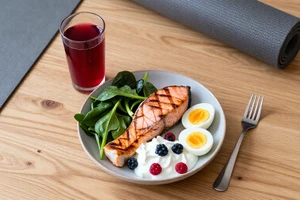
Night Owls: Exercising after work or in the evening doesn’t mean you should skip post-workout nutrition. Your body still needs resources to repair. Opt for a lighter, easily digestible meal afterward, like soup, a lean protein with roasted vegetables, or a smoothie. Avoid very large, rich meals right before bed, but don’t go to sleep in a deficit.
Hydration: The Constant Thread
Timing isn’t just for food. Hydration should be consistent all day. Don’t try to chug a liter right before you start. Aim for steady sips throughout the day, with a glass of water 1-2 hours before exercise, and mindful rehydration with water or an electrolyte drink afterward, especially if you sweated heavily.
Ultimately, the art of meal timing is a personal experiment. Start with these frameworks, observe how you feel, perform, and recover, and adjust. The most sustainable plan is the one that makes you feel strong, energized, and able to enjoy both your food and your fitness.