
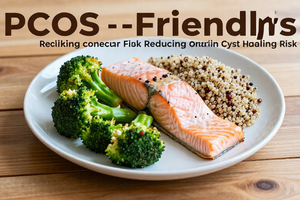
3 expert-backed diet tips to reduce ovarian cyst risk with PCOS
Learn three expert-backed dietary strategies to reduce ovarian cyst risk with PCOS, focusing on blood sugar balance, fiber, and anti-inflammatory nutrients.
Discover articles, guides, and practical insights for a healthier lifestyle.
Learn three expert-backed dietary strategies to reduce ovarian cyst risk with PCOS, focusing on blood sugar balance, fiber, and anti-inflammatory nutrients.
Dietitians share the best protein sources for PCOS fertility, including eggs, salmon, lentils, and Greek yogurt. Learn how protein helps balance hormones and support ovulation.
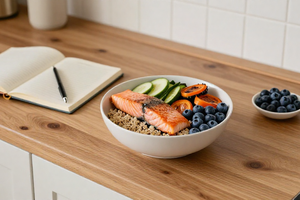
Avoid these 3 common PCOS diet mistakes: carb over-restriction, skipping blood sugar balancing, and ignoring anti-inflammatory foods. Practical meal plan fixes.
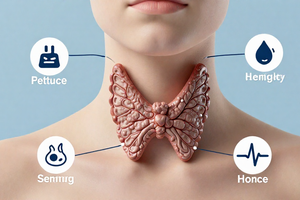
Learn the 5 early warning signs of thyroid imbalance, including fatigue, weight changes, temperature sensitivity, mood shifts, and heart rate changes. Know when to seek help.
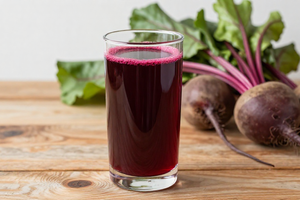
Dietitians reveal how beetroot juice, rich in nitrates, may improve walking distance and reduce leg pain in peripheral artery disease (PAD). Plain language, real-food insight.
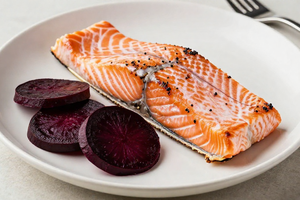
Learn how 5 foods—oily fish, leafy greens, beets, dark chocolate, pomegranate, and whole grains—can support leg circulation in peripheral artery disease (PAD).
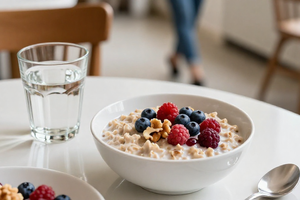
Two common breakfast errors — high-sugar carbs and skipping the meal entirely — can worsen peripheral artery disease symptoms. Learn what to eat instead.
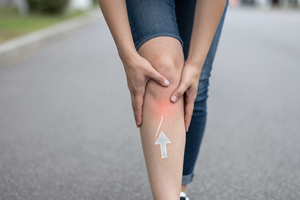
Peripheral artery disease can start with subtle leg cues. Learn about three early symptoms—cramping with activity, skin changes, and leg heaviness—and when to seek care.
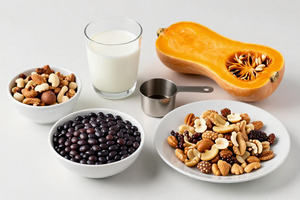
Nuts, beans, dairy, and starchy vegetables all contain meaningful carbohydrates. Learn how to count them for better blood sugar management.


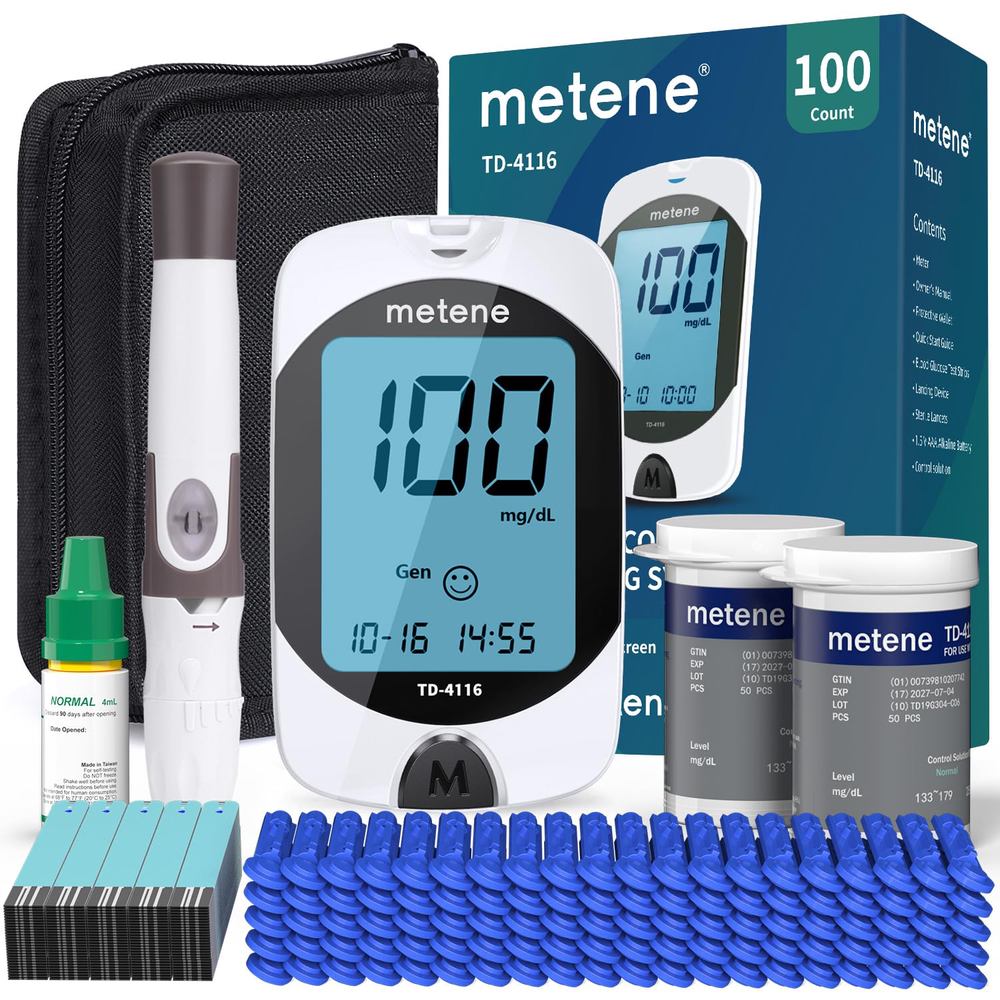
Metene TD-4116 Blood Glucose Monitor Kit, 100 Glucometer Strips, 100 Lancets, 1 Blood Sugar Monitor, Blood Sugar Test Kit with Control Solution, Lancing Device, No Coding, Large Display
Check it out

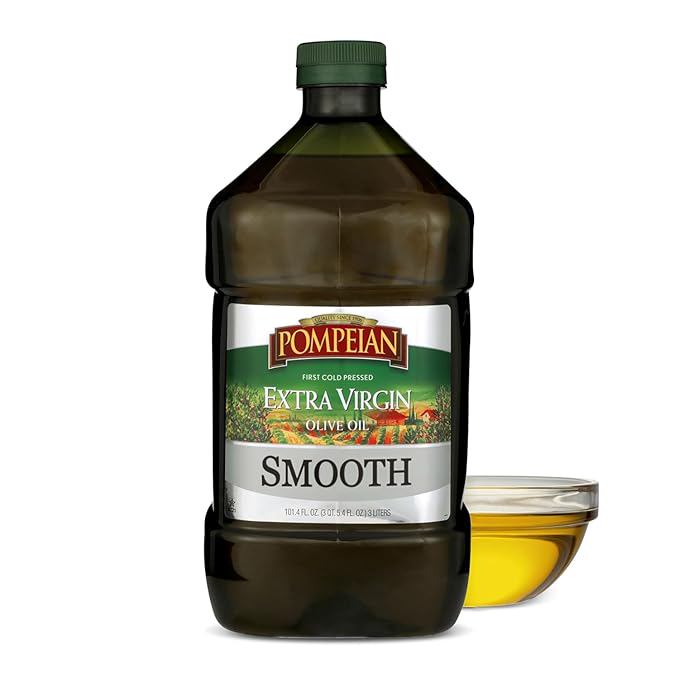
Pompeian Smooth Extra Virgin Olive Oil, Contains Polyphenols, First Cold Pressed, 101 Fl Oz
Check it out