
For anyone managing peripheral artery disease (PAD), mornings can set the tone for the entire day. The stiffness, cramping, or fatigue in your legs after walking a short distance — known as claudication — may feel worse depending on what you eat first thing. Breakfast is a powerful lever for blood flow and inflammation, and two common mistakes can quietly make PAD symptoms more pronounced.
Mistake #1: Starting the day with a high-sugar, low-fiber meal
Think about a typical rushed breakfast: a sugary cereal, a white-bagel with cream cheese, or a store-bought muffin that tastes more like cake. These foods are high in refined carbohydrates and added sugars, which cause a rapid spike in blood sugar and insulin. For people with PAD, this spike isn’t just a metabolic hiccup — it can trigger inflammation and impair the function of the endothelium (the thin lining of your blood vessels).
When your blood vessels are already narrowed or stiff from plaque buildup, anything that worsens endothelial function can reduce blood flow to your legs even further. Over time, a high-sugar breakfast pattern may also contribute to weight gain, higher blood pressure, and poor blood sugar control — all of which put more stress on your circulation.
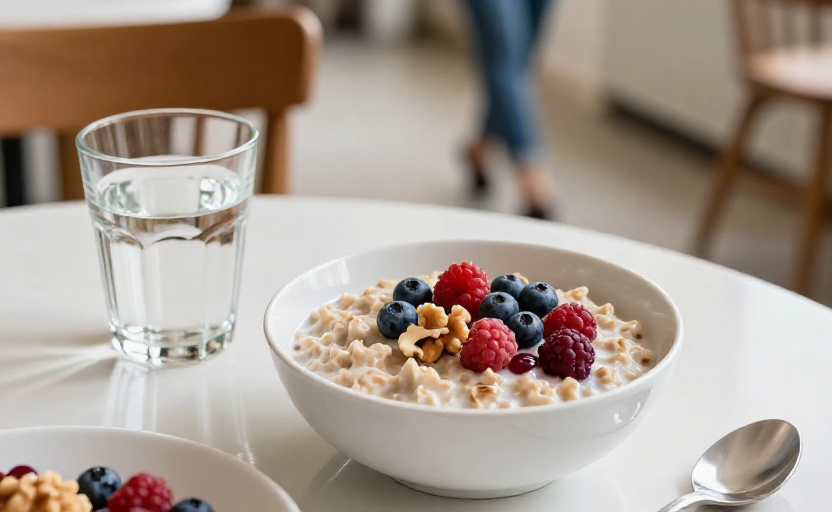
Instead: Swap the sugary bowl or pastry for a breakfast that combines fiber, protein, and healthy fats. Oatmeal topped with nuts and berries, eggs scrambled with spinach and avocado, or plain Greek yogurt with ground flaxseed are solid choices. Fiber helps slow sugar absorption, and protein keeps you full without the crash.
Mistake #2: Skipping breakfast or drinking only coffee
Not eating anything until lunch might seem like a way to save calories or time, but it can backfire for PAD. Skipping breakfast leads to a prolonged fasted state, which can raise levels of cortisol (the stress hormone) and increase blood pressure in some people. For PAD, higher blood pressure means the heart has to pump harder against narrowed arteries, and the legs may get even less oxygen-rich blood.
Additionally, going hours without food can lead to overeating later in the day, often choosing high-fat or high-sodium options that further inflame blood vessels. One study in the journal Circulation found that breakfast skippers had a higher risk of atherosclerosis progression compared to regular breakfast eaters, although individual results vary.
If you’re not hungry first thing, try a small, balanced option — a handful of almonds with an apple, a smoothie with spinach and protein powder, or a slice of whole-grain toast with almond butter. Even a modest breakfast can stabilize blood sugar and support steady circulation.
Why both mistakes hit PAD hard
Peripheral artery disease is fundamentally a problem of blood flow. The arteries feeding the legs become narrowed by cholesterol-rich plaque, and symptoms like cramping pain, numbness, or slow-healing sores appear when oxygen supply doesn’t meet demand. Breakfast choices that spike blood sugar, increase inflammation, or cause blood pressure surges directly reduce the efficiency of already-compromised vessels.
Inflammation is especially important because it accelerates plaque buildup and makes existing plaque more likely to rupture. A breakfast high in sugar or completely missed both boost inflammatory markers.
Small breakfast shifts — more fiber, less sugar, no skipped meals — are a quiet but effective way to help your circulation work better every morning.
What to aim for instead
A PAD-friendly breakfast doesn’t need to be complicated. Look for:
- Fiber-rich whole grains (rolled oats, whole-grain toast, quinoa)
- Lean protein (eggs, Greek yogurt, cottage cheese, legumes)
- Healthy fats (avocado, nuts, seeds, olive oil)
- Colorful produce (berries, spinach, tomatoes, oranges)
Pairing these elements keeps digestion steady, blunts blood sugar spikes, and provides nutrients that support vessel health, like potassium, magnesium, and antioxidants.
Remember that breakfast is just one part of the day — your overall eating pattern, physical activity, and medication plan matter most. But small changes at the first meal set a healthier rhythm for the hours to come.
Disclaimer: This article is for general educational purposes only and does not replace medical advice. Consult your healthcare provider before making significant dietary changes, especially if you have peripheral artery disease or related conditions.