When you are navigating PCOS and hoping to support fertility, the food on your plate matters more than you might think. Among the many dietary tweaks that can help, getting enough high-quality protein stands out as one of the most evidence-backed. Dietitians who specialize in PCOS point to protein as a key lever for balancing blood sugar, reducing insulin levels, and supporting healthy ovulation—all without requiring a prescription or a complicated protocol.
But not all protein is created equal for PCOS. The goal is to choose sources that provide steady energy, keep you full, and deliver the amino acids your body needs for hormone production, all while avoiding hidden sugars or inflammatory fats that can worsen symptoms. Here is what the experts say about the best protein choices when fertility is the priority.
Why Protein Matters for PCOS and Fertility
Insulin resistance is a hallmark of PCOS for many women. When your cells do not respond well to insulin, your body pumps out more of it, which can trigger the ovaries to produce excess testosterone and throw ovulation off track. Protein helps blunt this response. Eating protein with every meal and snack slows the digestion of carbohydrates, which leads to a gentler rise in blood sugar and a lower insulin spike.
Additionally, adequate protein supports the production of gonadotropins—the hormones that tell your ovaries to release an egg. Without enough protein, your body may struggle to synthesize these signals properly. Dietitians recommend aiming for at least 20 to 30 grams of protein at each meal, depending on your individual needs and activity level.
The Top Protein Sources Dietitians Recommend
1. Eggs
Eggs are a dietitian favorite for PCOS fertility. They provide a complete amino acid profile, choline for early fetal development, and vitamin D, which many women with PCOS are low in. A large egg contains around 6 grams of protein. The yolk also holds most of the nutrients, so eating the whole egg is recommended unless you have a specific reason not to.
2. Salmon and Small Fatty Fish
Salmon, sardines, and mackerel are rich in protein and long-chain omega-3 fatty acids. The omega-3s help lower chronic inflammation, which is frequently elevated in PCOS and can interfere with ovulation. A 3-ounce serving of wild salmon provides about 22 grams of protein. Canned salmon or sardines are affordable, shelf-stable options that work in salads or on whole-grain crackers.
3. Legumes (Lentils, Chickpeas, Beans)
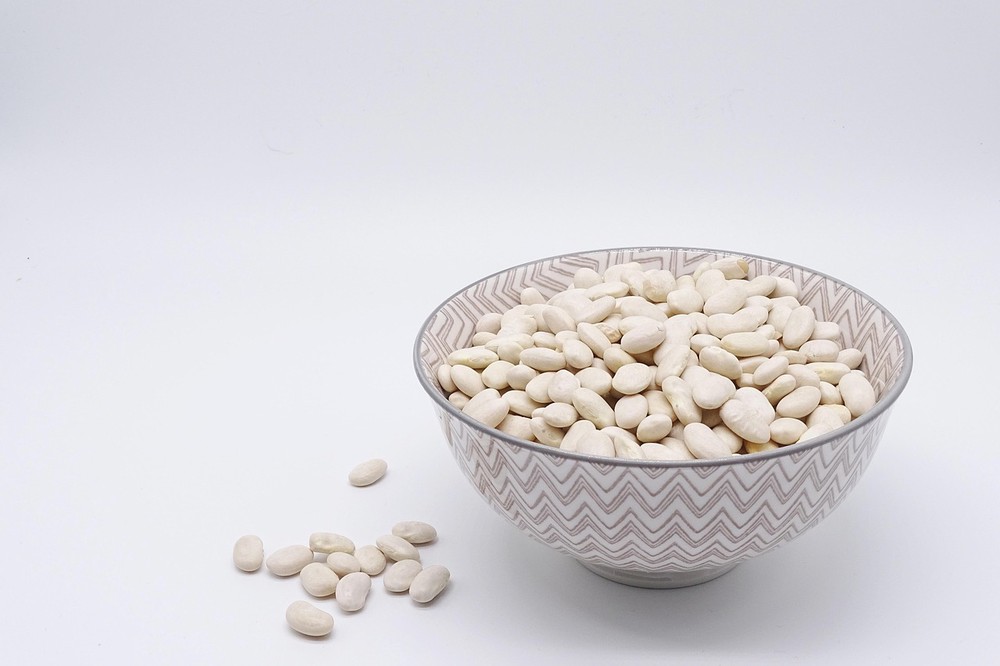
Plant-based proteins like lentils, chickpeas, and black beans are excellent for PCOS because they come with fiber that slows carbohydrate absorption even further. A cup of cooked lentils has about 18 grams of protein and 16 grams of fiber. Their low glycemic index means they help stabilize blood sugar without the insulin spike that refined carbs cause. They are also a good source of folate, which is essential before and during pregnancy.
4. Greek Yogurt and Cottage Cheese
Dairy can be a sensitive topic for PCOS—some women find it worsens acne or inflammation. But unsweetened Greek yogurt and cottage cheese are high in protein (around 15–20 grams per serving) and calcium, which supports muscle function and bone health. Dietitians often suggest choosing plain, full-fat versions to avoid added sugars and to get the satiety benefit of fat. If you tolerate dairy well, these are convenient, no-cook options for snacks or meal bases.
5. Tofu and Tempeh
Soy-based proteins like tofu and tempeh are complete proteins, meaning they contain all essential amino acids. For women with PCOS who prefer a plant-forward diet or want to limit animal protein, these are reliable choices. The isoflavones in soy may also offer a mild estrogen-modulating effect, though the evidence is not strong enough to recommend soy specifically for fertility—it is simply a safe and versatile protein source that does not worsen PCOS symptoms.
6. Lean Poultry and Grass-Fed Beef
Chicken breast, turkey, and lean cuts of grass-fed beef provide high-quality animal protein without excessive saturated fat. Grass-fed beef also contains more omega-3s and conjugated linoleic acid (CLA), which some research suggests may improve body composition and insulin sensitivity. A 3-ounce portion of cooked chicken breast delivers about 26 grams of protein. Keeping portions to around the size of your palm helps balance protein with other food groups.
Protein Timing and Meal Structure
Dietitians emphasize that when you eat protein matters as much as how much. Distributing protein evenly across three meals and one or two snacks is more effective for PCOS than loading up at dinner. This approach helps maintain steady blood sugar throughout the day, preventing the energy crashes and cravings that often lead to poor food choices.
A typical PCOS-friendly breakfast might include two scrambled eggs with sautéed spinach (20 grams protein). Lunch could be a lentil salad with roasted vegetables (18 grams). A snack of Greek yogurt and a handful of almonds adds another 15 grams. Dinner can feature grilled salmon with a side of quinoa and broccoli (30 grams). Total: around 80 grams, which is within the range many dietitians suggest for women trying to conceive, though individual needs vary.
A quick tip from dietitians: If you are not used to eating protein at breakfast, start with a small portion—like half a cup of cottage cheese or a hard-boiled egg—and gradually increase. Consistency matters more than perfection.
Combining Protein with Other Fertility-Supporting Foods
Protein works best when paired with colorful vegetables, healthy fats, and complex carbohydrates. For PCOS, a balanced plate that includes protein, fiber-rich vegetables, and a source of unsaturated fat (like avocado or olive oil) creates the most favorable hormonal environment. Avoid pairing protein with sugary drinks or refined white bread, as those can spike insulin and counteract the benefits of the protein.
Practical Ways to Add More Protein
- Add a tablespoon of nut butter or hemp seeds to oatmeal or smoothies.
- Swap white rice for cooked lentils or quinoa in grain bowls.
- Use Greek yogurt as a base for dips, dressings, or overnight oats.
- Keep hard-boiled eggs in the fridge for quick snacks.
- Include a small handful of pumpkin seeds or walnuts in your lunch or salad.
What About Protein Powders?
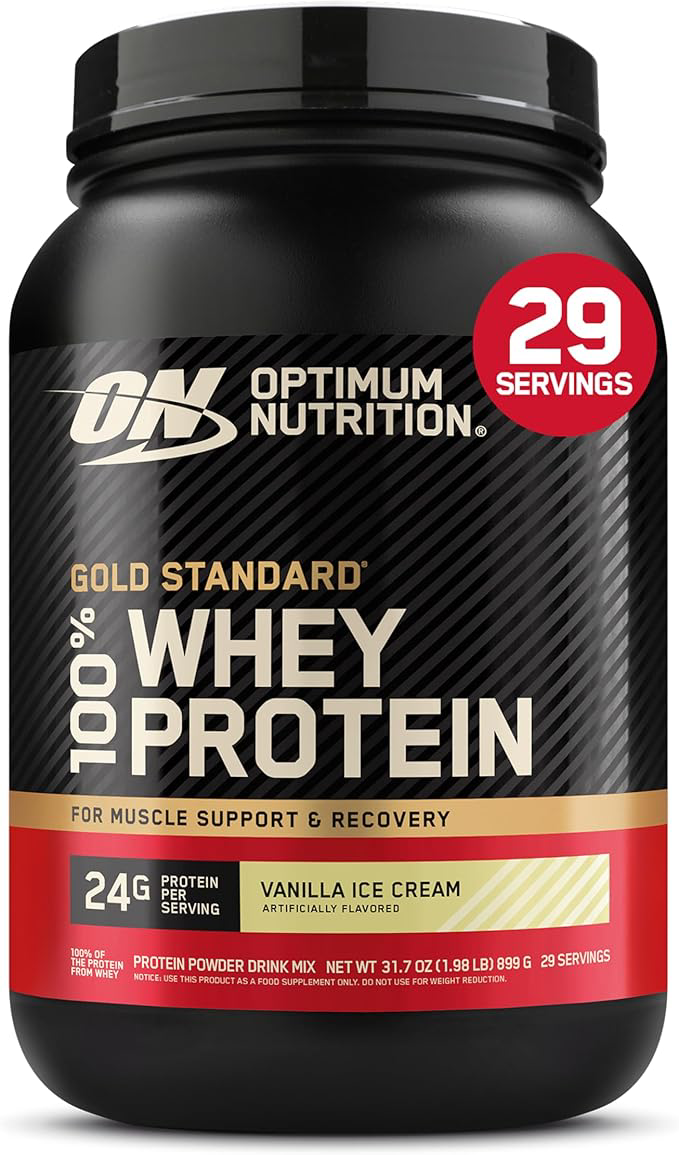
Whole food sources of protein are generally preferred because they provide additional vitamins, minerals, and fiber. However, a protein powder can be a convenient backup for busy days. Dietitians advise choosing unsweetened, grass-fed whey protein or a brown rice/pea protein blend with minimal ingredients. Avoid powders with artificial sweeteners, maltodextrin, or long ingredient lists that may trigger bloating or digestive issues, which are common in PCOS.
Focusing on high-quality protein is one of the most actionable steps you can take to support PCOS fertility. It does not require a complete diet overhaul—just small, consistent shifts toward whole food sources at each meal. Talk to a registered dietitian familiar with PCOS to fine-tune the amount and types that work best for your body.