When managing diabetes or watching your blood sugar, the first step is usually learning to count carbohydrates. Most of us know that bread, pasta, and rice are carb-heavy. But there is a whole second tier of foods that many people overlook — ingredients that can quietly add significant grams of carbohydrate to your daily tally. Knowing these hidden carb sources can make the difference between stable glucose levels and unexpected spikes.
Below are four surprising foods that truly "count as carbs" in your meal plan, along with practical advice for fitting them into a balanced day. This is not about cutting them out entirely; it is about awareness and smart portioning.
1. Nuts and seeds — the portion trap
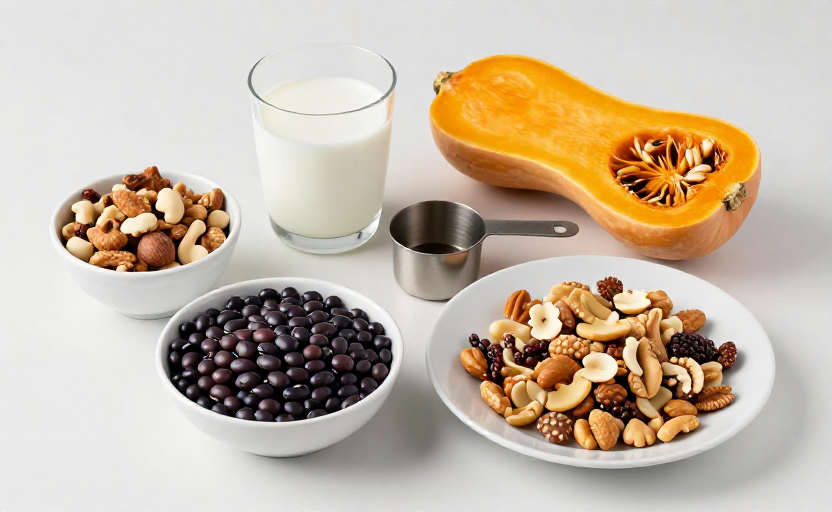
Nuts are often praised as a healthy fat source, and they are. But they also contain a meaningful amount of carbohydrate — mostly from fiber and a little starch. Cashews, pistachios, and almonds have around 4 to 8 grams of net carbs per ounce. The portion is key: most people eat far more than one ounce when snacking straight from the bag. A small handful (about 1/4 cup) is fine, but mindless munching can add up fast.
Caveat: One cup of cashews can deliver roughly 30 grams of net carbohydrate — the same as a slice of bread.
Flax and chia seeds, while lower in net carbs due to high fiber, still contribute carbohydrates to your total. For anyone doing precise carb counting, measure your nuts and seeds instead of eyeballing them.
2. Beans and legumes — the fiber factor
Beans are a staple for plant-based eaters and anyone seeking protein and fiber. Yet they are also starchy vegetables. A half-cup of cooked black beans contains about 20 grams of total carbohydrate — and after subtracting the fiber, you still have 12 to 14 grams of net carbs. Lentils, chickpeas, and kidney beans are similar. This does not make them "bad" foods; they have a low glycemic index and provide steady energy. But if you swap meat for beans, you must account for the carb load in your meal plan.
- Black beans (½ cup cooked): ~20g total carbs, ~12g net carbs
- Lentils (½ cup cooked): ~18g total carbs, ~11g net carbs
- Chickpeas (½ cup cooked): ~22g total carbs, ~14g net carbs
Smaller servings — like ¼ cup added to a salad — keep the numbers manageable.
3. Dairy milk and yogurt — natural sugars add up
Plain cow's milk contains about 12 grams of carbohydrate per cup — entirely from the naturally occurring sugar lactose. Yogurt, especially plain yogurt, has a similar profile. The problem comes with flavored yogurts, which add sugar on top of the natural lactose, sometimes reaching 20 to 30 grams of carbs per small container.
Even unsweetened yogurt counts as a carbohydrate food. A single cup of plain whole-milk yogurt contains roughly 11 grams of carbs. For someone aiming for 45 grams of carbs per meal, that cup accounts for one-quarter of the budget. If you drink milk alongside breakfast cereal or use yogurt as a base for a smoothie, those carbohydrates combine quickly.
One smart workaround: Use unsweetened Greek or Icelandic yogurt — they are naturally lower in lactose because of the straining process. A ¾-cup serving of plain Greek yogurt has about 6 grams of carbs, giving you more flexibility in your meal.
4. Vegetables that are starchier than you think
Everyone knows potatoes are starchy. But many other vegetables are surprisingly high in carbohydrates. Corn, peas, carrots, beets, and winter squashes (like butternut and acorn) each deliver 10 to 20 grams of net carbs per cup. That is more than a slice of bread, but with added fiber, vitamins, and antioxidants.
This group is often called "starchy vegetables," and they need to be portioned deliberately. A large baked sweet potato may have 30 grams of net carbs — half of some people's entire daily allowance. Instead of avoiding them, try these strategies:
- Treat starchy vegetables as your carb portion — not as a side dish alongside rice or pasta.
- Pair them with protein and fat to slow digestion and blunt glucose spikes.
- Measure cooked servings with a measuring cup or food scale; ½ cup of cooked butternut squash or corn is a reasonable portion.
Key takeaways for carb awareness
Labeling a food as "healthy" does not mean it is carbohydrate-free. The four categories above — nuts and seeds, beans, milk and yogurt, and starchy vegetables — are all nutrient-dense choices that deserve a place on your plate. The important shift is to stop thinking of them as "free" foods and start including them in your carb count.
Practical bottom line: If you are carb-counting for diabetes management, write down everything that comes from plants or dairy — not just grains. Your portion sizes, not the food itself, will determine your blood sugar response.
With a little practice, you can enjoy these foods safely. Measure once, learn what a serving looks like, and build meals that work for your glucose goals.