Living with peripheral artery disease (PAD) often means dealing with a heavy, cramping sensation in your calves or thighs after walking a short distance. The root cause — narrowed arteries in the legs — makes it harder for oxygen-rich blood to reach your muscles. While medical therapy and exercise are cornerstones of PAD management, what you put on your plate can also play a supporting role in supporting healthier blood flow.
Below are five foods that research and clinical experience suggest may help improve leg circulation for people with PAD. Think of these as nutritional allies, not replacements for your prescribed treatment plan.
Oily Fish
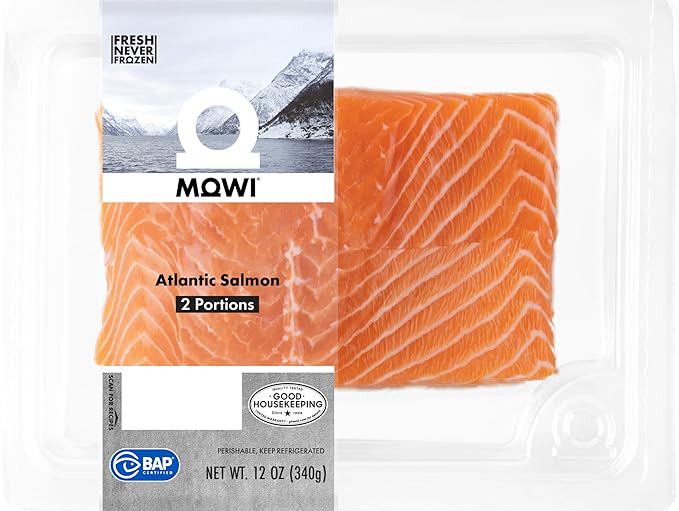
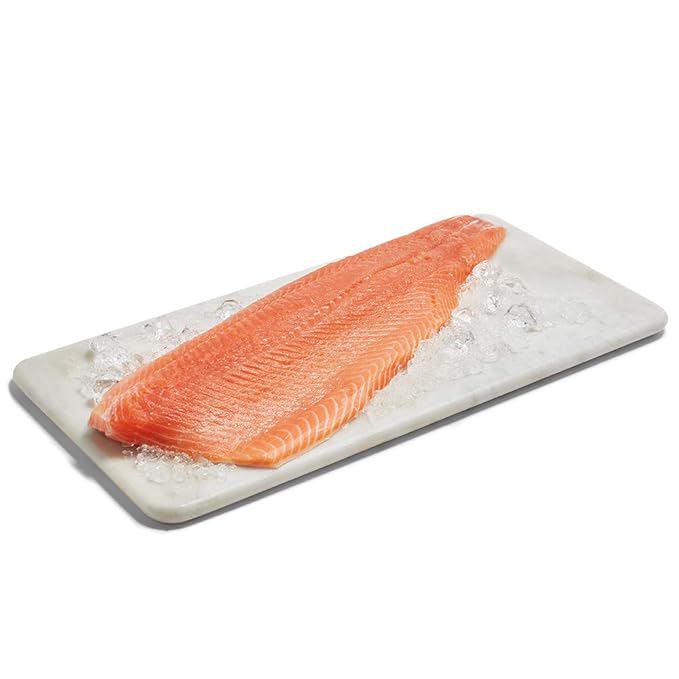
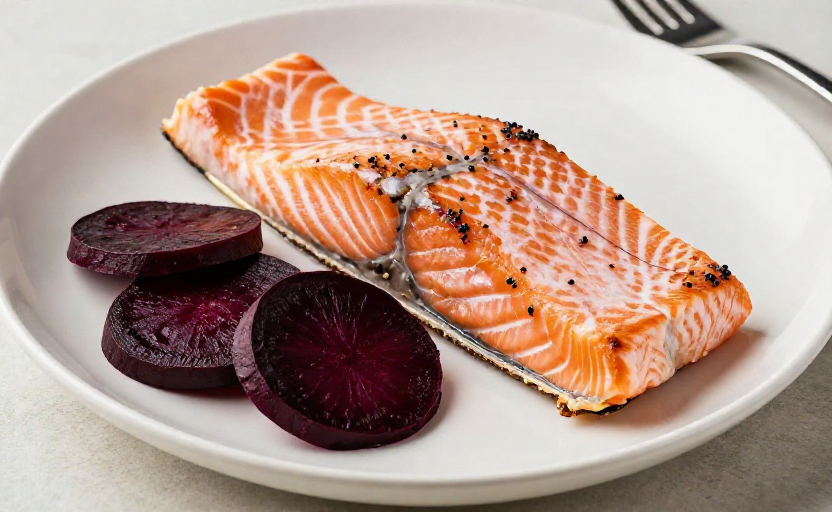
Fatty fish such as salmon, mackerel, sardines, and herring are rich in long-chain omega-3 fatty acids — EPA and DHA. These fats help reduce inflammation inside blood vessels and improve the flexibility of artery walls. For someone with PAD, this can mean less stiffness in the vessels and better blood flow to the lower limbs. A 2020 study in the journal Nutrients found that higher omega-3 levels were associated with lower odds of developing PAD. Aim for two servings of oily fish per week, either grilled, baked, or poached. If you don't eat fish, talk with your healthcare provider about whether a quality fish oil supplement makes sense for you.
A note on mercury: Stick with low-mercury choices like salmon and sardines. Avoid tilefish, shark, and king mackerel if you're eating fish frequently.
Leafy Greens and Beets
Dark leafy greens — spinach, kale, Swiss chard — and red beets are packed with dietary nitrates. Your body converts these nitrates into nitric oxide, a molecule that signals blood vessels to relax and widen (vasodilation). Wider arteries mean less resistance and improved circulation to the legs. A small 2019 study in Hypertension reported that a single beetroot juice drink improved walking distance in people with PAD. While you don't need to down beet juice daily, adding a handful of spinach to your smoothie or roasting a few beets with dinner is a practical step. Arugula is also a nitrate powerhouse if you enjoy peppery greens in salads.
Dark Chocolate
Flavanols found in high-quality dark chocolate (at least 70% cocoa content) support nitric oxide production and reduce blood-clotting tendencies. This can help blood travel more freely through narrowed leg arteries. In a 2014 randomized trial published in the Journal of the American Heart Association, people with PAD who ate a dark chocolate bar rich in flavanols showed significant improvements in walking distance and blood flow to the calf compared to those who ate milk chocolate. Stick to one small square (about 15–20 grams) a day to get the benefit without excess sugar or calories. Look for labels that say "high flavanol" or "minimally processed" to ensure the active compounds remain intact.
Pomegranate
Pomegranate juice and seeds contain potent antioxidants — punicalagins and anthocyanins — that help protect artery linings from oxidative damage. For PAD, this matters because oxidative stress stiffens vessels and worsens claudication (the leg pain you feel during walking). A 2013 study in Atherosclerosis found that people with carotid artery narrowing who drank pomegranate juice for one year had reduced arterial plaque thickness. While that study wasn't PAD-specific, the anti-inflammatory and circulation-supportive mechanisms translate well. Drink pure pomegranate juice with no added sugar (about 4 ounces a day) or sprinkle fresh seeds over yogurt and oatmeal. Beware of "juice cocktails" that are mostly sugar water.
Whole Grains and Legumes
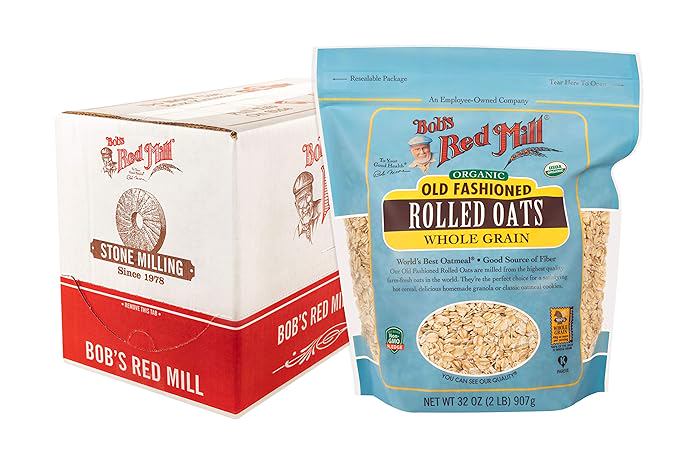
Swapping refined white flour products for whole grains — oats, barley, quinoa, brown rice — and legumes (lentils, chickpeas, black beans) helps stabilize blood sugar and lowers LDL cholesterol. Both factors are critical for PAD progression because high blood sugar and oxidized LDL directly damage artery linings. The fiber in these foods also promotes a healthier gut microbiome, which researchers now link to lower systemic inflammation — another win for vessel health. A 2017 meta-analysis in Circulation associated each daily serving of whole grains with a 10% lower risk of cardiovascular disease. Start small: replace white rice with quinoa, use whole-wheat pasta, or add a half-cup of lentils to your soup. The key is consistency over time, not a complete pantry overhaul overnight.
Putting it together: Build a plate that includes a palm-sized portion of fish or plant protein, two fistfuls of colorful vegetables (especially leafy greens and beets), a thumb-sized piece of dark chocolate as a treat, and a serving of whole grains or legumes. Drink water or unsweetened tea as your main beverage. While no food is a magic bullet, these five categories provide nutrients that actively support the biology of better leg circulation. As always, keep your doctor in the loop before making significant changes to your diet — especially if you take blood thinners or have other chronic conditions like diabetes or kidney disease.