Peripheral artery disease (PAD) often flies under the radar. Many people assume that leg discomfort is just part of getting older or a sign of being out of shape. But the truth is, the legs can send early, quiet warnings that something is restricting blood flow from the heart. When those signals go unnoticed, the condition can worsen silently.
Here are three subtle leg symptoms that may point to peripheral artery disease—and why paying attention to them matters for your heart and vascular health.
1. A Cramp That Comes and Goes with Activity
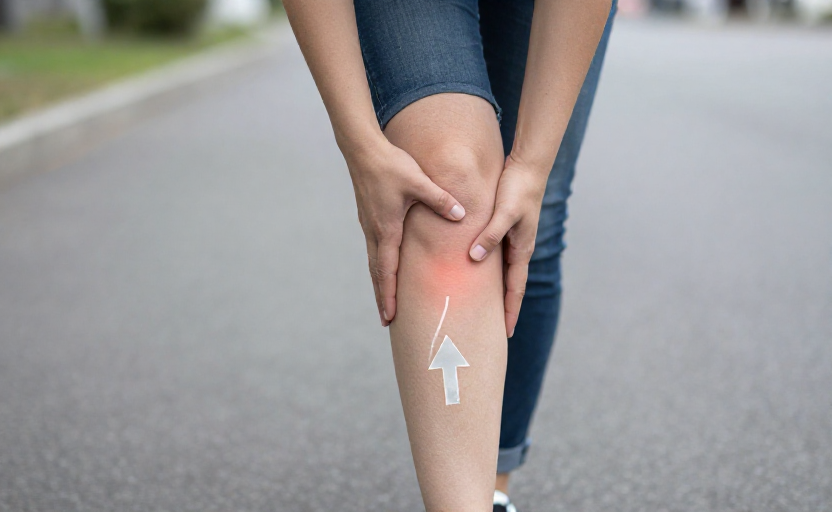
You're walking at a comfortable pace, and after a few blocks your calf—or sometimes your thigh or buttock—starts to ache, cramp, or feel heavy. You stop for a minute, the pain fades, and you keep going. This pattern is called intermittent claudication, and it is one of the most classic early signs of PAD.
Plaque buildup in the leg arteries narrows the vessels, so during exercise the muscles don't get enough oxygen-rich blood. The pain is the muscle's way of saying it's not getting enough fuel. Once you rest, oxygen demand drops and the pain subsides. Many people chalk it up to muscle strain, age, or simple fatigue. But if it happens repeatedly and predictably—same distance, same leg, same relief—it's worth checking in with a healthcare provider.
2. Changes in Skin Temperature or Color
When blood flow is reduced, the skin on your leg or foot can become noticeably cooler to the touch compared to your other leg. You might also notice a pale or bluish tint, especially when your leg is elevated. These subtle changes often appear gradually, so it's easy to dismiss them as just having "cold feet" or poor circulation from sitting too long.
However, persistent coolness or color changes that don't resolve with warmth or movement can be a sign that blood vessels are narrowed. The skin may also become shiny or tight, and hair growth on the toes or lower leg may thin out. These visual and tactile cues are easy to overlook but can be early markers of PAD, especially when paired with other symptoms.
3. A Feeling of Leg Heaviness or Fatigue—Without Pain
Not everyone with PAD experiences classic cramping pain. Some people feel a vague, heavy, tired sensation in one or both legs after walking or standing. It can feel like your legs are made of lead—more an exhaustion than a sharp pain. This symptom is often attributed to being out of shape or getting older, yet it can be a direct consequence of reduced circulation.
The muscles in your legs rely on steady blood flow to function. When the supply is compromised, even moderate activity can leave them feeling spent. If you notice that your legs feel unusually heavy after walking a short distance—assuming you don't have a known condition like varicose veins or chronic venous insufficiency—it's worth bringing up with your doctor.
When to Act
Peripheral artery disease is not just a leg problem. It is a marker of systemic atherosclerosis, meaning the same plaque buildup that narrows leg arteries can also affect arteries in the heart and brain. Early detection matters: PAD can increase the risk of heart attack, stroke, and critical limb ischemia if left untreated.
If you have risk factors—such as smoking, diabetes, high blood pressure, high cholesterol, or age over 65—these leg symptoms deserve extra attention. A simple ankle-brachial index test can often confirm or rule out PAD without invasive procedures.
Quick tip: If you experience any of these symptoms, keep a log of when they happen, how long they last, and what makes them better or worse. This information helps your doctor make a more accurate diagnosis.
Lifestyle changes, including a heart-healthy diet, regular exercise like walking, and medication if prescribed, can often slow the progression of PAD and improve symptoms. The goal is not to give medical advice, but to encourage you to listen to your legs—they may be telling you something important about your overall circulation.