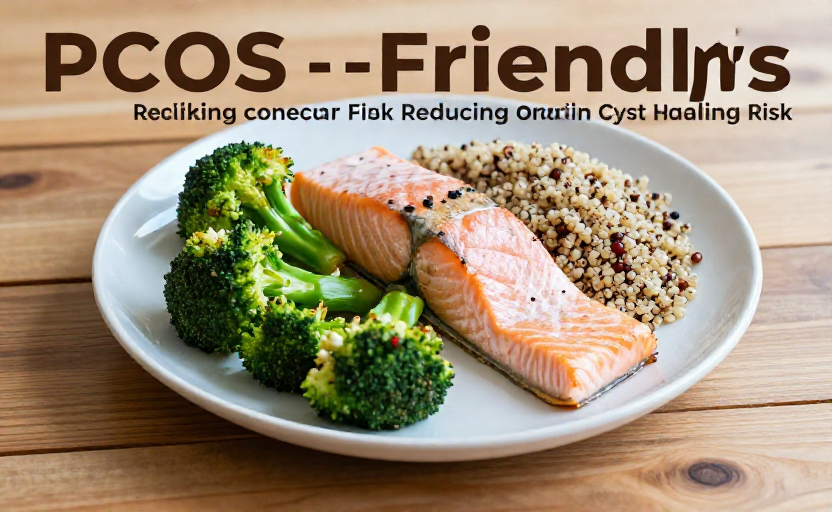
For women navigating life with Polycystic Ovary Syndrome (PCOS), the concern about ovarian cysts can feel ever-present. While not every person with PCOS develops painful cysts, the hormonal imbalances that define the condition—particularly insulin resistance and elevated androgens—create an environment where follicles can fail to release eggs and instead develop into cysts. The good news is that the food you eat plays a powerful role in rebalancing those hormones. These three expert-backed dietary strategies are designed to support metabolic health and gently lower the likelihood of new cyst formation.
Before diving in, it helps to understand the core driver: high insulin levels. When your body resists insulin, the pancreas pumps out more to compensate. This excess insulin can signal the ovaries to produce extra testosterone, disrupting ovulation. A cyst-friendly cycle follows where follicles grow but never rupture. These diet tips target that insulin pathway first and foremost.
1. Build every meal around protein, fiber, and healthy fat
The simplest and most effective shift you can make is to change the structure of your plate. Instead of starting with a carbohydrate-heavy breakfast (like cereal, toast, or oatmeal) or a pasta-centric dinner, lead with a palm-sized portion of protein, cover half the plate with non-starchy vegetables, and add a thumb-sized serving of a healthy fat source. This combination naturally stabilizes blood sugar and blunts the insulin spikes that drive hormone disruption.
For example, a morning meal might be two eggs scrambled with spinach and a side of avocado. Lunch could be a large bed of mixed greens topped with grilled chicken, olive oil dressing, and pumpkin seeds. Aim to reproduce this pattern at every meal for two to three weeks and you may notice steadier energy, fewer cravings, and—over the long term—more regular ovulation cycles.
Quick tip: Adding a handful of protein to a snack, like apple slices with almond butter or celery with cheese, turns a carb-heavy bite into a blood-sugar-friendly one.
2. Shift your carb choices to low-glycemic, high-fiber options
You do not need to banish carbohydrates, but you do need to be strategic. The classic PCOS challenge involves insulin resistance that makes simple carbohydrates (white bread, white rice, sugary drinks, and refined snacks) convert to glucose too rapidly, triggering a large insulin release. Swap these for carbohydrates that come packaged with fiber, which slows digestion and prevents that glucose surge.
Some of the best choices include:
- Legumes: Lentils, chickpeas, black beans, and kidney beans
- Whole intact grains: Quinoa, farro, barley, steel-cut oats, and brown rice
- Starchy vegetables: Sweet potatoes (eaten with the skin), carrots, and winter squash
- Low-sugar fruits: Berries, apples with skin, pears, and citrus
When you do eat a carb-heavy food—say, a bowl of oatmeal—always pair it with a protein or fat source, such as Greek yogurt, nuts, or a scoop of protein powder. This simple pairing is one of the most practical ways to reduce the insulin response that can trigger ovarian cyst formation in PCOS.
3. Increase your intake of anti-inflammatory omega-3 fatty acids
PCOS is not just a hormone disorder; it is also tied to low-grade chronic inflammation, which worsens insulin resistance and can contribute to the development of ovarian cysts. Omega-3 fatty acids, particularly EPA and DHA from marine sources, are potent inflammation fighters that also support ovulation and reduce elevated testosterone levels.
You can increase your omega-3 intake by consuming:
- Fatty fish two to three times per week (salmon, mackerel, sardines, anchovies, herring)
- Plant-based sources like ground flaxseeds, chia seeds, hemp seeds, and walnuts
- If you do not eat fish, a high-quality algae-based omega-3 supplement can help
Try this simple dinner idea: a filet of salmon rubbed with a little cumin and coriander, served over a bed of sautéed leafy greens with a side of roasted sweet potato. Yes, the sweet potato is a carbohydrate, but because it is fiber-rich and paired with anti-inflammatory fat (the salmon), it works for, not against, your ovaries.
Putting it all together: a sample day
To see how these strategies combine, here is what a full day of eating might look like:
- Breakfast: Two scrambled eggs with sautéed bell peppers and onions, plus half an avocado
- Lunch: Large salad with chopped romaine, cherry tomatoes, cucumber, grilled chicken, chickpeas, and a lemon-tahini dressing
- Snack: A small apple with one tablespoon of peanut butter
- Dinner: Baked cod with roasted broccoli and a side of quinoa cooked with vegetable broth
- Optional dessert: A small bowl of mixed berries topped with plain Greek yogurt
This approach is sustainable, filling, and directly targets the metabolic roots of PCOS. The goal is not perfection, but consistency over time.
Reminder from your editor: Your body is unique, and these strategies work best as part of a broader plan that includes regular physical activity, stress management, and quality sleep. Always consult your healthcare provider before making significant dietary changes, especially if you are on medication for PCOS or other conditions.