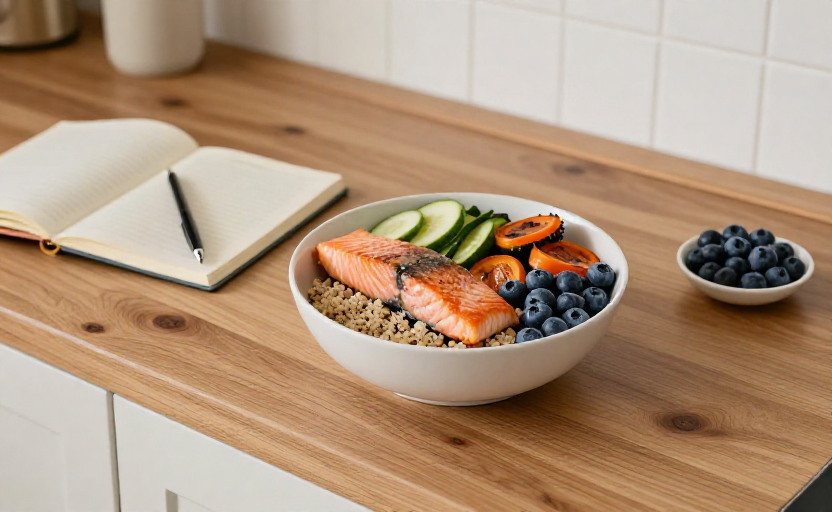
Starting a new meal plan for PCOS often feels like a step in the right direction, but many women unknowingly fall into traps that can stall progress or even worsen symptoms. The right diet for PCOS isn't about extreme restriction or following a generic weight-loss template—it's about balancing hormones, managing insulin, and reducing inflammation in a sustainable way.
Below are three of the most common missteps I see women make when they begin a PCOS meal plan, along with practical adjustments to keep you on track.
Mistake #1: Cutting Carbs Too Aggressively
It's true that many women with PCOS have insulin resistance, which means their bodies don't process carbohydrates efficiently. But slashing carbs to near-zero levels is rarely the answer. Severely restricting carbs can backfire by spiking cortisol (your stress hormone), which further disrupts ovulation and hormone balance.
Instead of eliminating carbs, focus on swapping refined sources—white bread, sugary cereals, and pasta—for fiber-rich, slow-digesting alternatives. Think lentils, beans, quinoa, sweet potatoes, and steel-cut oats. These foods provide steady energy and help blunt the insulin spikes that drive PCOS symptoms.
Eat the carbs that come with a fiber “wrapper”—whole foods that naturally contain fiber, protein, or fat alongside their starch.
Mistake #2: Ignoring Blood Sugar Balance at Every Meal
A PCOS-friendly plate isn't just about what you remove—it's about how you structure each meal. A common error is eating carbohydrates alone, even if they're healthy ones. A piece of fruit or a bowl of oatmeal on its own can still cause a rapid rise in blood sugar for someone with insulin resistance.
The fix is simple and powerful: pair every source of carbohydrate with a source of protein, healthy fat, or both. For example, have an apple with almond butter, oatmeal with collagen protein and walnuts, or a salad with chickpeas and avocado. This combination slows digestion and keeps both glucose and insulin levels stable.
- Breakfast: eggs + sautéed greens + half a sweet potato
- Lunch: grilled chicken over lentils + olive oil dressing
- Snack: plain Greek yogurt + berries + flaxseed
- Dinner: salmon + roasted broccoli + quinoa
Mistake #3: Overlooking Anti-Inflammatory Foods
Many PCOS meal plans focus almost exclusively on weight loss or calorie counting, but chronic low-grade inflammation is a core driver of PCOS symptoms. Ignoring anti-inflammatory foods means missing out on one of the most effective ways to support hormone health from the plate up.
Inflammation in PCOS can worsen insulin resistance, increase testosterone, and disrupt ovulation. To counter this, actively include foods rich in omega-3 fatty acids, antioxidants, and polyphenols. Fatty fish (salmon, sardines, mackerel), walnuts, chia seeds, turmeric, ginger, leafy greens, berries, and green tea are all excellent choices.
You don't need to overhaul everything at once. Small shifts—like swapping cooking oil for extra-virgin olive oil, adding a handful of spinach to your smoothie, or having fish twice a week—accumulate into meaningful change.
Starting a PCOS meal plan doesn't have to be overwhelming. Avoid these three common mistakes, and you'll be building a foundation that actually supports your hormones, metabolism, and long-term health.