Peripheral artery disease (PAD) narrows the arteries that carry blood to your legs and feet, often causing a cramping pain in the calves or thighs during walking. For the millions living with this condition, that pain — known as claudication — can make even short errands feel exhausting. While exercise and medical management remain the cornerstones of PAD care, emerging evidence suggests that what you sip may also offer some relief.
We asked registered dietitians who specialize in vascular health about a single drink that stands out for its potential to improve walking distance and reduce discomfort. Their answer is backed by research and supported by basic circulatory biology.
Beetroot juice: the surprising contender
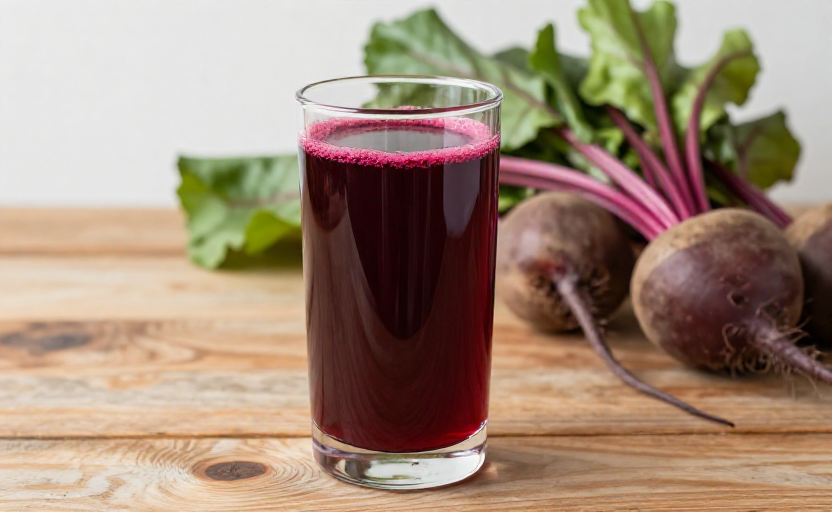
The drink that came up repeatedly in conversations with vascular dietitians is beetroot juice. This deep-red juice is naturally rich in dietary nitrates, compounds that the body converts into nitric oxide — a molecule that relaxes and dilates blood vessels. In people with PAD, arteries are often stiff and narrowed, so anything that helps them open wider can improve blood flow to the legs and reduce the oxygen deficit that triggers pain.
A 2023 meta-analysis published in the European Journal of Clinical Nutrition looked at data from several randomized trials and found that people with PAD who supplemented with beetroot juice were able to walk significantly longer before pain stopped them. The effect was most noticeable after a single dose taken about 90 minutes before exercise.
“Beetroot juice is one of the most researched dietary interventions for PAD because it directly targets the physiology behind claudication,” says Anna Reeves, RD, a clinical dietitian who works with vascular patients. “It’s not a cure, but it can meaningfully extend how far a person can walk.”
How much and how often?
The studies that showed the best results used about 500–600 mg of dietary nitrate per serving, which corresponds to roughly one to two cups (8–16 ounces) of concentrated beetroot juice. Most participants drank it about 90 minutes before a walking test or exercise session. The effect peaks in about 2–3 hours and fades gradually, so the benefit is most relevant when timed before activity.
Long-term daily use has not been studied as thoroughly, but dietitians suggest that a single glass before a walk is a sensible pattern. Pregnant people, those with kidney stones (beets are high in oxalates), or anyone taking nitrate medications like nitroglycerin should check with their doctor first.
Why not generic antioxidants or other juices?
Other antioxidant-rich juices — pomegranate, tart cherry, and blueberry — are often praised for general circulation and inflammation. But beetroot juice’s nitrate-rich profile is what separates it. It’s one of the few common beverages that directly boosts nitric oxide production, which explains why nearly all the targeted PAD research focuses on it. Pomegranate juice, for example, may reduce blood pressure and inflammation, but it hasn’t shown the same consistent effect on claudication distance.
Real-world considerations
Beetroot juice has a strong earthy taste that not everyone enjoys. Dietitians suggest chilling it well, blending it with a splash of lemon or ginger (which also support circulation), or mixing it into a smoothie. Some people prefer beetroot concentrate shots, which are more potent by volume and easier to swallow.
One important caveat: beetroot juice stains both clothes and teeth. Rinsing your mouth with water immediately after drinking can help prevent staining, and a little baking soda in the wash handles fabric stains.
What to keep in mind with PAD
Beetroot juice is no replacement for supervised exercise therapy or medications prescribed by your doctor. But it’s a safe, low-risk addition that may help you push through that wall of pain a few hundred yards further. If you have PAD, talk to your healthcare provider about whether incorporating beetroot juice into your routine could fit your specific health profile and medication list.
Quick tips for choosing beetroot juice
- Look for 100% juice — not blends with apple or carrot that dilute the nitrate content.
- Avoid added sugar — many commercial brands add sweeteners; unsweetened is best.
- Check the label for “nitrate content” if available, though most brands don’t list it. A deep, rich color is a general sign of higher nitrate levels.
Small changes can have real effects on quality of life. A tart, earthy glass before your daily walk might be the nudge your legs need.