Starting a workout routine at home is a fantastic commitment to your health. It’s convenient, private, and can be incredibly effective. Yet, that initial enthusiasm can sometimes lead us down a path of frustration or injury, not because the effort isn’t there, but because we overlook the simple, foundational habits that make exercise sustainable. The most common mistakes aren't about lifting the wrong weight; they're about forgetting to build the framework that supports the work itself.
Let’s walk through the typical missteps that can derail a new home fitness journey. Recognizing them is the first step toward creating a routine that feels less like a chore and more like a rewarding part of your day.
Jumping In Without a Plan
One of the biggest temptations is to simply start moving—following a random online video one day, trying a different app the next. While any movement is good, a complete lack of structure is a recipe for quick burnout. You’re left wondering what to do each day, which can drain your motivation before it has a chance to solidify.
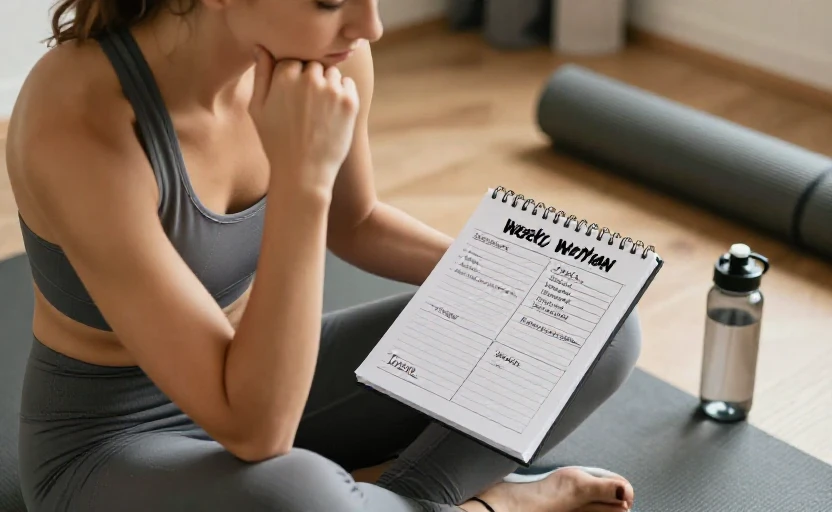
Instead, think of your first week as a gentle onboarding process. Your goal isn't to exhaust yourself, but to establish a rhythm. Consistency beats intensity every single time when you're building a new habit. Sketch out a simple weekly schedule: perhaps strength training on Mondays and Thursdays, a cardio session on Wednesday, and a flexibility-focused practice like yoga on Saturday. This doesn't need to be rigid, but it provides a map so you’re not starting from scratch each time you step into your workout space.
Your first goal is to show up consistently, not to set personal records.
Neglecting the Warm-Up and Cool-Down
At home, it’s easy to go from the couch directly into a high-intensity interval. Skipping the warm-up is like asking a cold engine to run at full throttle—it increases the risk of strains and doesn’t allow your muscles to perform at their best. A proper warm-up gradually increases your heart rate and blood flow, priming your body for action.
Similarly, stopping abruptly after your last rep denies your body the chance to gradually return to its resting state. A cool-down with light movement and dedicated stretching helps reduce next-day muscle soreness and improves flexibility over time. Think of these bookends as non-negotiable parts of the workout itself, not optional extras.
Using Poor Form or Unsuitable Equipment
Without a trainer present, form errors can creep in and become habit. This isn't just about effectiveness; it's about safety. A squat with a rounded back or a push-up with sagging hips can lead to injury. The solution isn't to avoid these movements, but to learn them well.
Start with bodyweight exercises to master the movement patterns before adding external load. Use a mirror, record a short video of yourself to check alignment, or follow along with highly reputable instructors who prioritize cueing and technique. When you do use equipment, ensure it’s appropriate for your space and level. Using a dining chair for step-ups is fine; using a wobbly ottoman for heavy dumbbell presses is not. Your safety is the priority.
Comparing Your Start to Someone Else’s Middle
The curated world of fitness social media can be a double-edged sword. It’s inspiring, but it can also set an unrealistic benchmark. Remember, the people you see performing flawless advanced routines have likely been training for years. Comparing your day one to their day one thousand is a sure way to feel discouraged.
Your journey is personal. Focus on your own markers of progress: feeling stronger holding a plank for five more seconds, completing one more full push-up, or simply noticing you have more energy throughout the day. These internal victories are the true measures of success.
Ignoring Recovery and Listening to Your Body
More is not always better. In the zeal to see quick results, it’s common to work out hard every single day, leaving no time for muscles to repair and grow. Rest days are when the actual adaptation happens—they are a productive part of your routine, not a sign of laziness.
Equally important is learning to distinguish between the healthy discomfort of effort and the sharp pain of injury. Pushing through joint pain or ignoring signs of extreme fatigue is counterproductive. Listening to your body is a skill, and it means knowing when to take an extra rest day, opt for a gentler movement session, or ensure you’re hydrating and sleeping adequately.
Building a home workout routine is an act of self-care. By sidestepping these common pitfalls, you lay a foundation of safety, consistency, and enjoyment. The goal is to create a practice that supports your life for the long term, not just for a few intense weeks. Be patient with yourself, celebrate the small wins, and remember that the most perfect routine is the one you actually stick with.