
You eat a balanced diet, maybe even take a multivitamin, but still feel like something’s off. Your skin is persistently dry, your energy dips inexplicably, or your mood feels more volatile than usual. While we often focus on vitamins and minerals, a quiet, widespread nutritional gap involves fatty acids—essential fats our bodies cannot make on their own.
These aren't just about calories; they are foundational building blocks for your brain, hormones, skin, and cellular function. A deficiency doesn't announce itself with dramatic fanfare. Instead, it whispers through a handful of subtle, interconnected signs that are easy to dismiss as stress, aging, or just a bad week. Learning to recognize these whispers is the first step toward addressing a gap that can profoundly impact your overall well-being.
What Are Essential Fatty Acids, and Why Do We Need Them?
Think of essential fatty acids (EFAs) as the unsung heroes of your cellular health. The two primary types are omega-3 (like alpha-linolenic acid, EPA, and DHA) and omega-6 (like linoleic acid). “Essential” means your body needs them to function but cannot synthesize them; they must come from your diet.
Their roles are vast and critical. They form the structure of every cell membrane, influencing how cells communicate and function. They are precursors to hormones that regulate inflammation, blood clotting, and blood vessel constriction. They are vital for brain health, supporting cognitive function and mood regulation. In short, they are not optional extras but fundamental components of a healthy body.
4 Subtle Signs You May Be Deficient
Fatty acid deficiency rarely shows up as a single, glaring symptom. More often, it’s a constellation of vague issues. If several of the following feel familiar, it might be worth considering your fatty acid intake.
1. Stubborn Skin, Hair, and Nail Changes
Your body’s largest organ is often the first to signal a problem. Fatty acids are crucial for maintaining the skin’s lipid barrier, which locks in moisture and keeps irritants out. A deficiency can manifest as:
- Persistently dry, flaky, or itchy skin, even with regular moisturizing.
- Dandruff or a dry, itchy scalp.
- Brittle nails that peel or crack easily.
- Small, rough bumps on the backs of your arms (often called keratosis pilaris).
When your skin’s natural oil barrier is compromised due to a lack of the right fats, it loses water more easily, leading to chronic dryness.
2. Brain Fog and Mood Fluctuations
Your brain is nearly 60% fat, and omega-3 fatty acids, particularly DHA, are a major structural component. They support the fluidity of cell membranes and facilitate communication between brain cells. When levels are low, you might experience:
- Difficulty concentrating or a feeling of mental “fog.”
- Memory lapses, like forgetting why you walked into a room.
- Increased feelings of anxiety, irritability, or low mood.
This isn’t just anecdotal; research consistently links adequate omega-3 intake with better cognitive function and emotional resilience.
3. Persistent Fatigue and Low Energy
Feeling tired all the time can have countless causes, but a fatty acid deficit is a plausible contributor. EFAs are involved in mitochondrial function—the energy powerhouses inside your cells. They also help regulate metabolism and reduce systemic inflammation, which can itself be profoundly draining.
This fatigue often feels different from simple sleepiness. It’s a deep-seated lack of vitality, where even simple tasks feel like a burden, and your usual cup of coffee fails to provide its typical lift.
4. Joint Discomfort and Stiffness
Omega-3 fats have potent anti-inflammatory properties. They help produce compounds that calm inflammation in the body. A diet low in these fats (and disproportionately high in pro-inflammatory omega-6 fats from processed oils) can tip the balance toward a state of low-grade, chronic inflammation.
This may show up as:
- Achy, stiff joints, especially in the morning.
- General muscle soreness after mild activity.
- A heightened sensitivity to pain.
While not a substitute for medical evaluation for arthritis, ensuring sufficient omega-3 intake is a foundational step in supporting joint comfort.
How to Get More Essential Fatty Acids in Your Diet
Correcting a potential deficiency starts on your plate. The goal is to increase omega-3 sources while maintaining a healthier balance with omega-6. Focus on incorporating these whole foods:
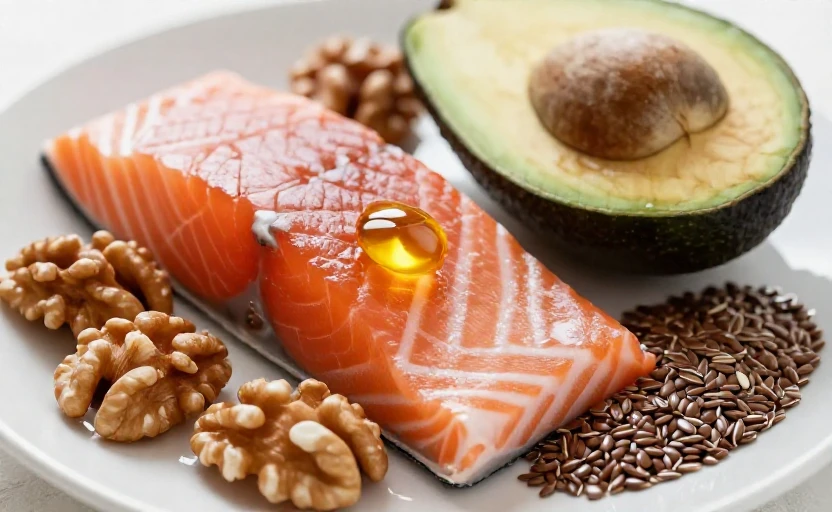
- For Omega-3s (ALA): Flaxseeds, chia seeds, hemp seeds, and walnuts.
- For Omega-3s (EPA & DHA): Fatty fish like salmon, mackerel, sardines, herring, and anchovies. For those who don’t eat fish, algae oil is a direct plant-based source of DHA/EPA.
- For a Better Omega-6 Balance: Opt for whole food sources like nuts, seeds, and avocados, and reduce intake of processed foods made with refined vegetable oils (soybean, corn, sunflower oil).
A simple starting point could be adding a tablespoon of ground flaxseed to your morning oatmeal or yogurt, or committing to eating two servings of fatty fish per week.
A Note on Supplements and Next Steps
While food should always be the foundation, high-quality supplements like fish oil or algae oil can be a practical way to boost intake, especially for those with dietary restrictions. It’s wise to choose a product that has been third-party tested for purity and potency.
If the signs discussed here resonate strongly with you, consider discussing them with a healthcare provider or a registered dietitian. They can help you interpret your symptoms in the context of your overall health and guide you toward a personalized, food-first approach.
Listening to your body’s subtle signals is a skill. Dry skin, brain fog, fatigue, and stiffness might seem unrelated, but they can all point back to a fundamental need for the right kinds of fat. By tuning in and nourishing yourself with these essential nutrients, you support your body’s deepest structures, paving the way for more resilient energy, clearer thinking, and lasting vitality.