You reach for what you think is a virtuous snack — a granola bar, a packet of veggie chips, or a smoothie bowl loaded with toppings. It feels like a win for your health goals. But here's the catch: many of these so-called healthy options are surprisingly low in fiber, and a few common habits can actually send your daily fiber intake in the wrong direction. If you've been feeling sluggish, dealing with digestive discomfort, or wondering why your appetite won't settle, your snack choices might be the hidden culprit.
Fiber is the unsung hero of a balanced diet. It supports digestion, helps stabilize blood sugar, keeps you full between meals, and even feeds the good bacteria in your gut. Yet most adults fall short of the recommended 25 to 38 grams per day. The mistake? Assuming that a health-halo label equals high fiber. Let's untangle the everyday errors that could be sabotaging your fiber goals — and what you can do to fix them without overhauling your entire pantry.
The Granola Bar Trap
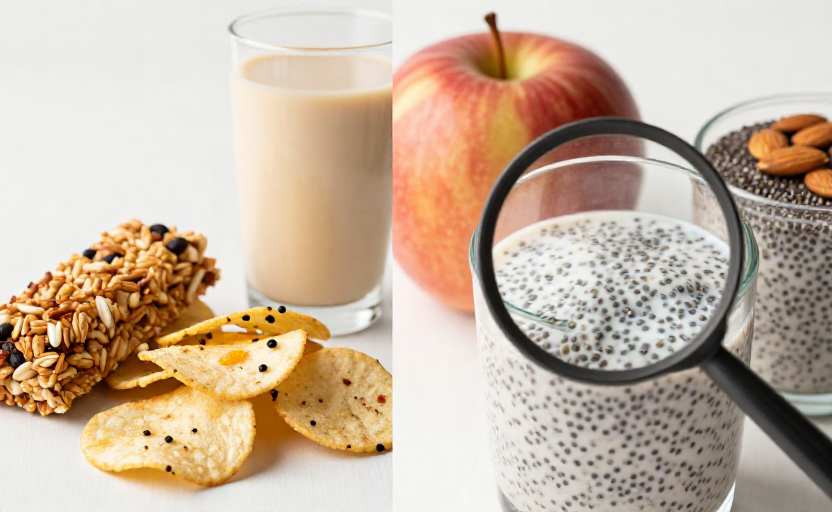
A granola bar seems like an easy, wholesome grab-and-go option. But a quick look at the nutrition panel tells a different story. Many commercial granola bars contain less than 2 grams of fiber per serving — barely a blip toward your daily target. Instead, they're often packed with added sugars and refined grains that digest quickly, leaving you hungry an hour later. The same goes for many protein bars and rice cakes, which are often made from white rice flour and offer minimal fiber.
To spot a genuinely fiber-rich bar, look for one that lists whole oats, nuts, seeds, or a legume-based flour (like chickpea or almond) as the first ingredient. A good benchmark is at least 5 grams of fiber per bar, with no more than 8 grams of added sugar. Better yet, make your own at home with rolled oats, nut butter, and dried fruit — you control the fiber and the sweetness.
Veggie Chips and Other Impostors
Veggie chips, kale chips, and puffed vegetable snacks sound like a smart swap for potato chips. But most are still made from potato starch or refined flour with a dusting of vegetable powder. They offer little to no actual vegetable matter and very little fiber. A serving of beet or sweet potato chips typically has about 1 gram of fiber, whereas a whole baked sweet potato delivers around 4 grams with the skin on.
The same principle applies to fruit leathers and dried fruit strips. They concentrate sugar but strip away much of the fruit's original fiber during processing. If you crave something crunchy, try roasted chickpeas or edamame — a half-cup of roasted chickpeas provides roughly 6 grams of fiber, plus protein to keep you satisfied. For a salty snack, reach for a handful of almonds or walnuts rather than veggie straws.
The Smoothie Misstep
Smoothies can be a brilliant way to pack in fiber, but only if you include the right ingredients. Many café smoothies are made with fruit juice as the base, which removes all the pulp and fiber from the fruit. Add in yogurt, milk, and sweeteners, and you end up with a sugar-dense beverage that spikes your blood sugar without providing lasting fullness. Even a homemade smoothie can fall short if you skip the fibrous parts — like leaving out the skins of apples or pears or not using the whole fruit.
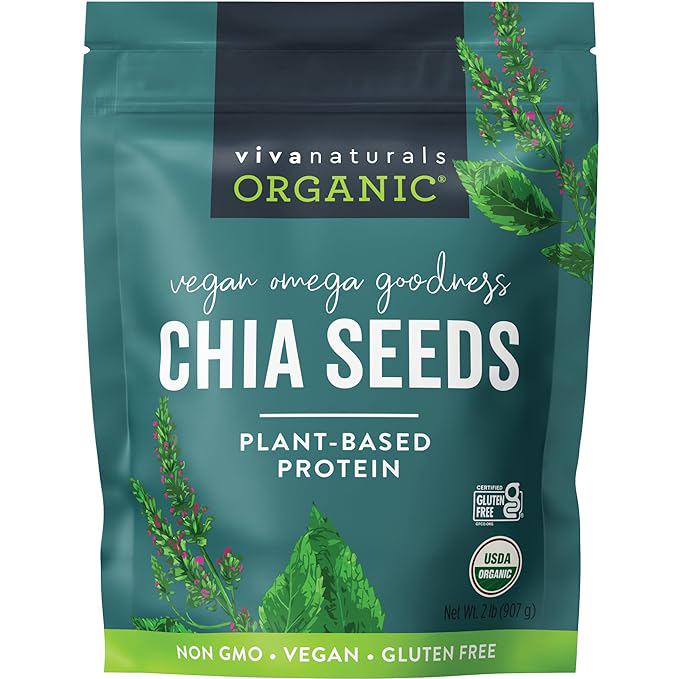
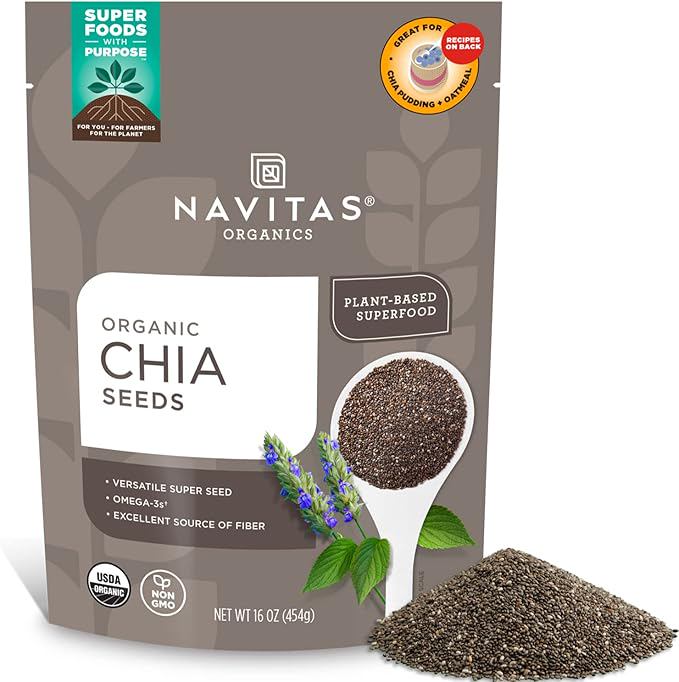
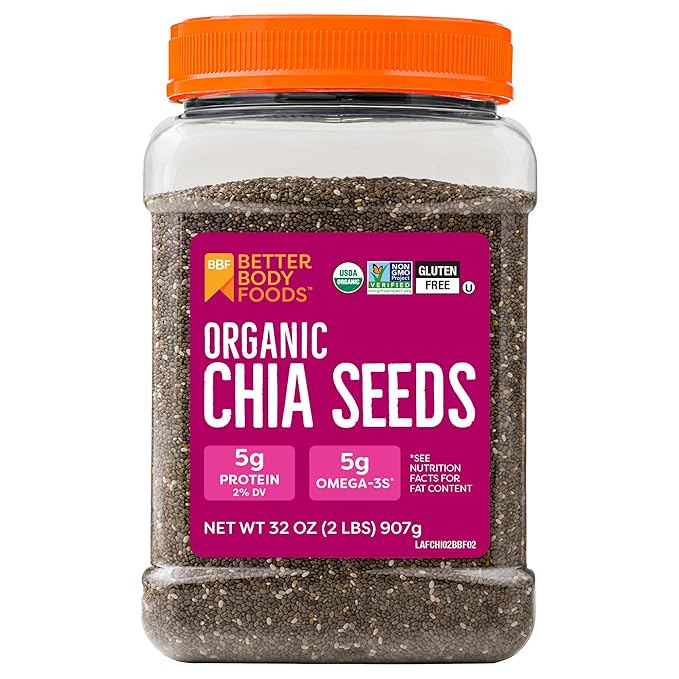
To turn your smoothie into a fiber powerhouse, always use whole fruits (with peels when edible), add a handful of leafy greens like spinach or kale, and toss in a tablespoon of chia seeds or ground flaxseed. Both chia and flax provide about 3 to 4 grams of fiber per tablespoon, plus omega-3s. A single serving can easily push your smoothie up to 10 grams of fiber, turning it from a sugar bomb into a balanced meal.
One simple swap: Replace fruit juice with unsweetened almond milk or plain water. Then blend in half an avocado — it's creamy, rich in healthy fats, and adds 5 grams of fiber.
Hidden Fiber Robbers: What You Pair Your Snack With
Even if your snack itself is fiber-rich, the company it keeps can reduce its effectiveness. Pairing a high-fiber food with a large amount of refined carbohydrate or sugar can blunt the satiety signals fiber normally provides. For example, oat bran is an excellent source of soluble fiber, but when you stir it into a sugary, low-fiber cereal, the overall meal may still spike your blood sugar. Similarly, adding too many dried fruits with no protein or fat can lead to a quick energy crash.
The better approach is to pair fiber with protein and a little healthy fat. Think apple slices with almond butter, whole-grain crackers with hummus, or a small bowl of berries with Greek yogurt. This combination slows digestion even more, keeps your energy steady, and helps you feel satisfied for three to four hours.
A Simple Way to Track Without Obsessing
You don't need to obsessively count every gram. A practical rule of thumb: aim for at least one good source of fiber at each meal and snack. For a snack, that means something with 4 to 6 grams of fiber — think a pear (about 5.5 grams), a cup of raspberries (8 grams), or two tablespoons of pumpkin seeds (5 grams). If you are eating packaged foods, check the label. A snack with fewer than 3 grams of fiber is not doing much for your daily goal.
If you are currently eating very little fiber, increase your intake gradually over a week or two. This gives your digestive system time to adjust and helps avoid bloating or gas. Drink plenty of water throughout the day to help the fiber do its job smoothly.
Fiber is one of those nutrients where small, consistent choices really add up. By swapping out low-fiber impostors and pairing your snacks wisely, you can easily close the gap between where you are and the daily target. The next time a snack calls to you from the shelf, check the fiber — not just the calorie count or the health claims. Your gut will notice the difference.