You might think you're doing everything right in the kitchen—choosing fresh vegetables, lean proteins, and whole grains. But there's one common cooking habit that could be quietly sabotaging your efforts to get the most out of your food. It's not about overcooking or under-seasoning; it's about how you prepare certain foods that can significantly reduce your body's ability to absorb key nutrients.
What is this cooking mistake?
The mistake is improper preparation of foods that contain natural compounds called antinutrients. Antinutrients are substances found in many plant foods—like legumes, grains, nuts, and seeds—that can bind to minerals such as iron, zinc, calcium, and magnesium, preventing your body from absorbing them. While these compounds are part of the plant's natural defense system, they can interfere with your nutrition if you don't handle them correctly.
The good news? You don't need to avoid these healthy foods. You just need to know a few simple techniques to reduce antinutrients and unlock the full nutritional value of your meals.
Which foods contain antinutrients?
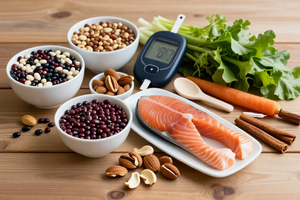
Many nutrient-dense foods contain antinutrients. Here are the most common ones:
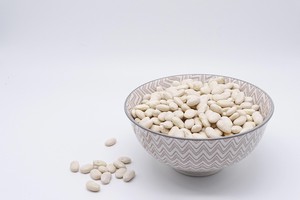
- Legumes (beans, lentils, chickpeas, peanuts): Contain phytic acid and lectins.
- Whole grains (oats, wheat, brown rice, quinoa): Also contain phytic acid.
- Nuts and seeds (almonds, walnuts, chia seeds, flaxseeds): Contain phytic acid and enzyme inhibitors.
- Leafy greens and vegetables (spinach, kale, Swiss chard): Contain oxalates, which can bind to calcium.
- Soy products: Contain phytic acid and trypsin inhibitors.
How does this affect nutrient absorption?
When you eat foods high in antinutrients without proper preparation, your body may not absorb the minerals they contain as efficiently. For example, the phytic acid in whole grains and legumes can bind to iron, zinc, and calcium in your digestive tract, forming complexes that your body cannot absorb. Over time, this can contribute to mineral deficiencies, especially if your diet is heavily plant-based or if you have higher nutrient needs (such as during pregnancy or intense physical activity).
Tip: Soaking beans overnight and discarding the water can reduce phytic acid content by up to 50%.
How to fix it: simple preparation techniques
You don't need complicated equipment or special ingredients. Here are four effective methods to reduce antinutrients and improve nutrient absorption:
Soaking
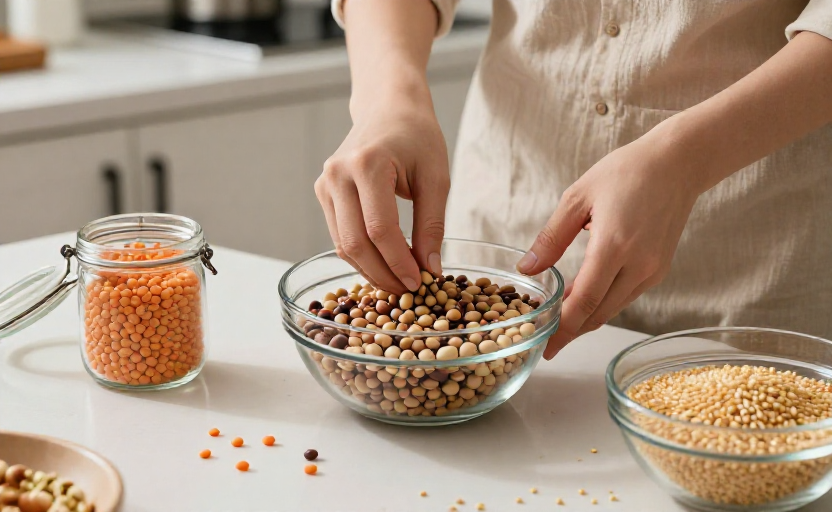
Soaking legumes, grains, nuts, and seeds in water for several hours or overnight activates enzymes that break down phytic acid and some lectins. Always discard the soaking water and rinse thoroughly before cooking.
Sprouting
Sprouting (germination) significantly reduces phytic acid and enzyme inhibitors. It also increases the availability of vitamins, especially B vitamins and vitamin C. You can sprout lentils, chickpeas, mung beans, and grains like quinoa and buckwheat at home with just a jar and a mesh lid.
Fermenting
Fermentation—used to make foods like sourdough bread, yogurt, miso, and tempeh—naturally reduces antinutrients. The beneficial bacteria break down phytic acid and other compounds, making minerals more bioavailable.
Heating and cooking
Proper cooking, especially boiling, reduces many antinutrients. For example, boiling kidney beans for at least 10 minutes destroys the lectin phytohaemagglutinin, which can cause digestive distress. However, note that some antinutrients like phytic acid are heat-stable and require soaking or sprouting for reduction.
What about oxalates in greens?
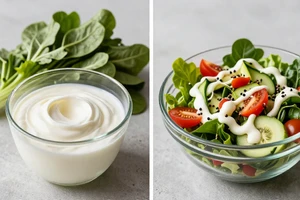
Spinach and Swiss chard contain oxalates, which can bind to calcium and reduce absorption. Cooking these greens—especially steaming, boiling, or sautéing—can reduce oxalate content significantly. Pairing them with a source of vitamin C (like lemon juice) can also help increase non-heme iron absorption.
Does this mean I should avoid these foods?
No. The health benefits of whole grains, legumes, nuts, seeds, and vegetables far outweigh the potential downsides of antinutrients. These foods are rich in fiber, protein, healthy fats, vitamins, and antioxidants that are essential for overall health. The key is balance and proper preparation.
Remember: A varied diet with properly prepared plant foods is one of the healthiest ways to eat. Don't let the fear of antinutrients stop you from enjoying beans, grains, or spinach.
When should you be more cautious?
If you have certain health conditions—such as iron-deficiency anemia, osteoporosis, or a digestive disorder like irritable bowel syndrome (IBS) or Crohn's disease—you may be more sensitive to antinutrients. In these cases, paying extra attention to preparation methods and spacing out high-antinutrient foods can be helpful. Always consult a registered dietitian or your healthcare provider for personalized advice.
Making small changes to how you prepare food—like soaking beans overnight or cooking your spinach—can make a meaningful difference in how well your body absorbs nutrients. It's a simple, evidence-based way to get more out of the healthy meals you're already eating.