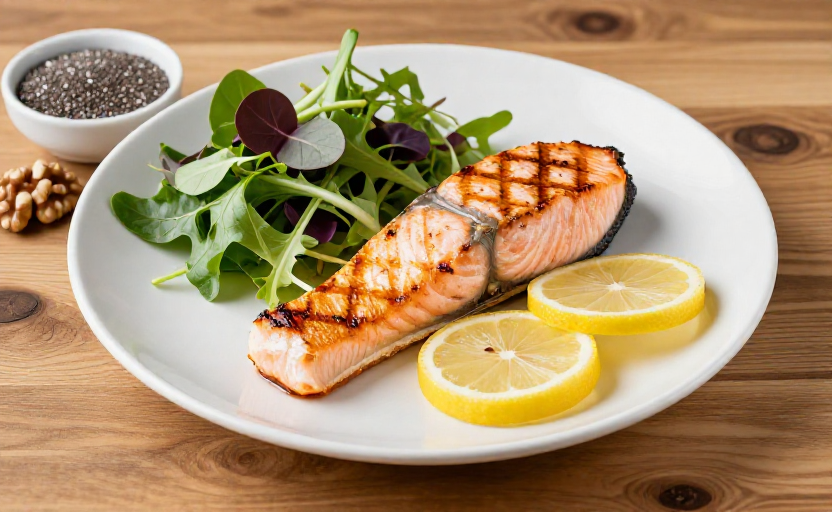
Many of us know we should eat more fish, but life gets busy and a quick chicken breast or a plant-based protein patty often ends up on the plate instead. The result? Most people are eating far less seafood than experts recommend. That matters because fish—especially fatty fish—is one of the best natural sources of omega-3 fatty acids, a type of polyunsaturated fat that plays a key role in heart health, brain function, and managing inflammation throughout the body.
Registered dietitians consistently point to omega-3s as a nutrient gap in the typical American diet. The 2020–2025 Dietary Guidelines for Americans suggest adults eat at least 8 ounces of seafood per week (that's about two servings), yet most people fall short. If you have wondered whether you are getting enough of these essential fats, you are not alone. Here is a straightforward guide to the best food sources of omega-3s and how to fit more of them into your routine without overcomplicating things.
Why omega-3s matter for everyday health
Omega-3 fatty acids are not just another wellness buzzword. The three main types—EPA, DHA, and ALA—each support the body in specific ways. EPA and DHA, found mainly in seafood, are directly linked to cardiovascular support and brain health. ALA, which comes from plant foods, converts to EPA and DHA only in small amounts, so it is not a perfect substitute for fish-derived omega-3s.
Research consistently shows that people who regularly include omega-3-rich foods in their diet tend to have better triglyceride levels, more stable blood pressure, and lower risk of cognitive decline as they age. For these reasons, dietitians often place omega-3s near the top of their priority nutrient list.
A quick tip: Aim for two servings of fatty fish per week. One serving is about the size of your palm or a deck of cards—roughly 4 to 6 ounces cooked.
Fatty fish: the top omega-3 source
Not all fish are created equal when it comes to omega-3 content. Fatty, cold-water fish store most of the beneficial oils in their flesh and skin, giving them a much higher concentration than lean white fish.
The most potent sources include:
- Salmon (wild Alaskan or Atlantic — both are excellent)
- Mackerel (especially Atlantic mackerel)
- Herring
- Sardines (small, sustainable, and surprisingly rich)
- Anchovies
- Trout (especially rainbow trout)
- Tuna (albacore/white tuna has more omega-3s than light tuna)
A 3.5-ounce serving of cooked salmon delivers roughly 2,000 to 2,500 mg of combined EPA and DHA. Compare that to cod or tilapia, which provide only about 200 to 300 mg per serving. That difference explains why dietitians emphasize fatty fish rather than just any fish.
Can you get enough omega-3s from plants?
If you follow a vegetarian or vegan diet, or simply dislike fish, you can still obtain omega-3s from plant sources—but the math works differently. Plant foods contain ALA, which your body must convert into EPA and DHA. Unfortunately, this conversion rate is quite low: roughly 5 to 10 percent for EPA and even less for DHA.
Good plant-based ALA sources include:
- Flaxseeds and ground flaxseed meal
- Chia seeds
- Hemp seeds
- Walnuts
- Brussels sprouts
- Perilla oil
- Algae oil (the only plant source that provides DHA directly)
Algae-based supplements have become a popular option for vegans who want reliable DHA. While whole plant foods are still beneficial, relying solely on ALA conversion usually does not match the omega-3 levels you get from fish.
Myth-busting: fish oil and contamination concerns
A common hesitation around eating more fish involves mercury and environmental contaminants. It is a valid concern, but the benefits of moderate fish consumption generally outweigh the risks for most people. The FDA and EPA advise pregnant women, nursing mothers, and young children to choose fish lower in mercury—such as salmon, sardines, trout, and herring—and avoid high-mercury species like shark, swordfish, king mackerel, and tilefish.
For the general adult population, the main takeaway is not to fear fish but to choose wisely. Canned light tuna is lower in mercury than albacore, and smaller fish like sardines and anchovies accumulate far fewer contaminants because they sit lower on the food chain. Eating a variety of fish rather than the same type every week also spreads out any potential risk.
Can supplements replace real fish?
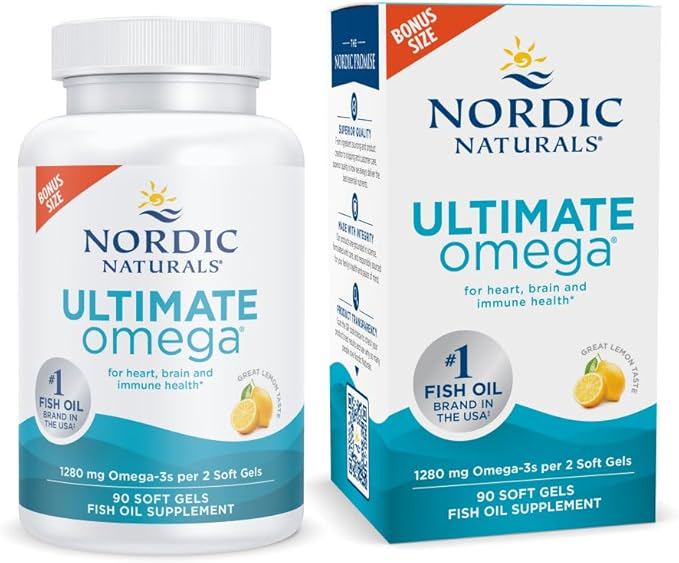
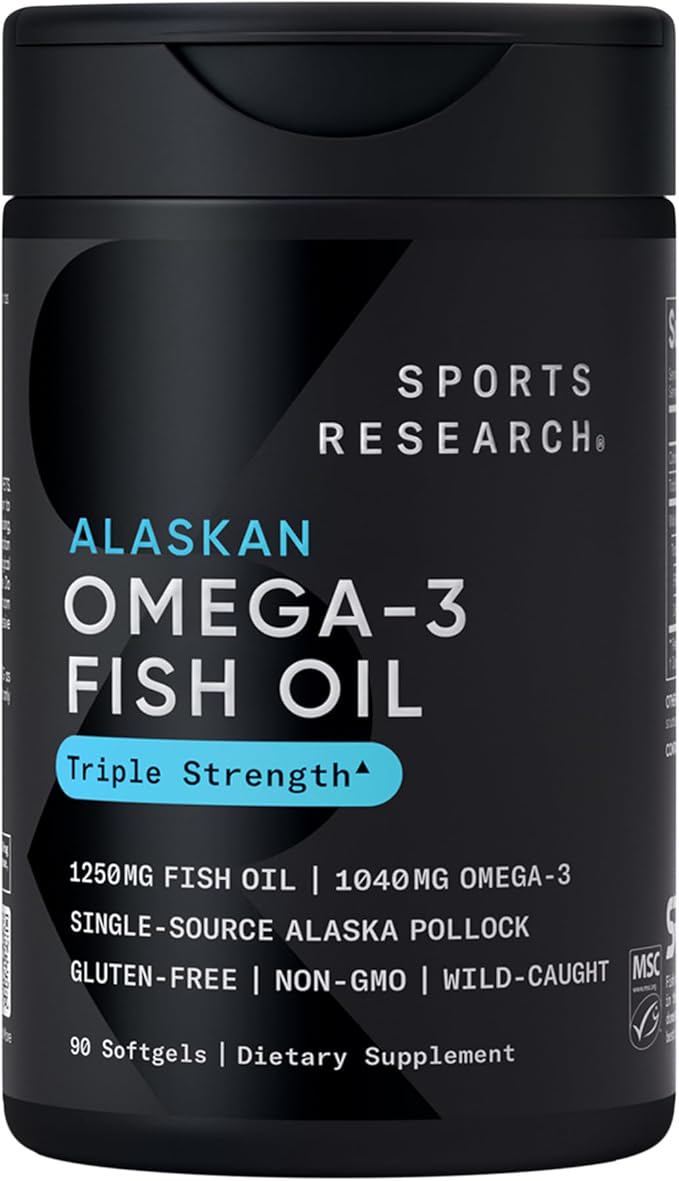
Fish oil supplements are widely available and can be a useful option for people who really cannot tolerate seafood. However, dietitians generally recommend food first. Whole fish provides protein, vitamin D, selenium, and other nutrients that work synergistically with omega-3s. A supplement delivers mostly isolated fats without that broader nutritional package.
If you choose a supplement, look for one that lists the amounts of EPA and DHA separately on the label, and store it away from heat and light to prevent oxidation. Algae-based DHA supplements are a practical alternative for non-fish eaters.
Simple ways to eat more fish this week
Getting two servings of fish per week does not require elaborate recipes. Here are a few low-effort approaches that fit into a busy schedule:
- Add a can of wild salmon or sardines to a salad for a protein boost.
- Top a grain bowl with flaked mackerel or trout.
- Swap ground turkey or beef with canned salmon in patties or meatballs.
- Use jarred anchovies to add savory depth to pasta sauces and dressings.
- Buy pre-portioned frozen salmon fillets for quick weeknight dinners.
Because canned and tinned fish are already cooked, they become an instant protein option without any extra prep. That is often the easiest route for people who are not used to cooking fish regularly.
Omega-3s are one nutrient where small, consistent choices add up. Two servings of fatty fish each week, paired with a handful of walnuts or a sprinkle of chia seeds here and there, can move most people from a deficiency risk zone into a range that supports long-term health. As always, talk with your doctor or a registered dietitian if you have specific medical concerns about diet changes or if you are considering high-dose supplements.