You’ve just finished a solid workout, feeling that satisfying mix of accomplishment and fatigue. For many active seniors, the post-exercise ritual is almost automatic: a few quick stretches, maybe a sip of water, and then on with the day. But what if that routine, especially the cooling-down part, is quietly working against your goals for mobility, strength, and vitality?
Recovery isn’t just about resting; it’s an active process where the body repairs and strengthens itself. How you transition out of exercise plays a surprisingly significant role in how well and how quickly that process happens. For older adults, whose physiological systems—like circulation, muscle repair, and inflammation response—operate on a different timeline, optimizing this phase is non-negotiable. Let’s look at three common cooling-down habits that might be slowing your bounce-back, and what to do instead.
The Static Stretch Standstill
It’s a classic image: holding a hamstring stretch for thirty seconds after a run. While static stretching has its place for improving long-term flexibility, relying on it exclusively immediately after exercise can be counterproductive for recovery. The primary goal of a cool-down is to gradually lower your heart rate, circulate blood to flush out metabolic waste (like lactic acid), and begin the repair process. Holding a muscle in a lengthened, static position doesn’t actively promote circulation.
Think of your cool-down as a gentle deceleration, not a sudden stop.
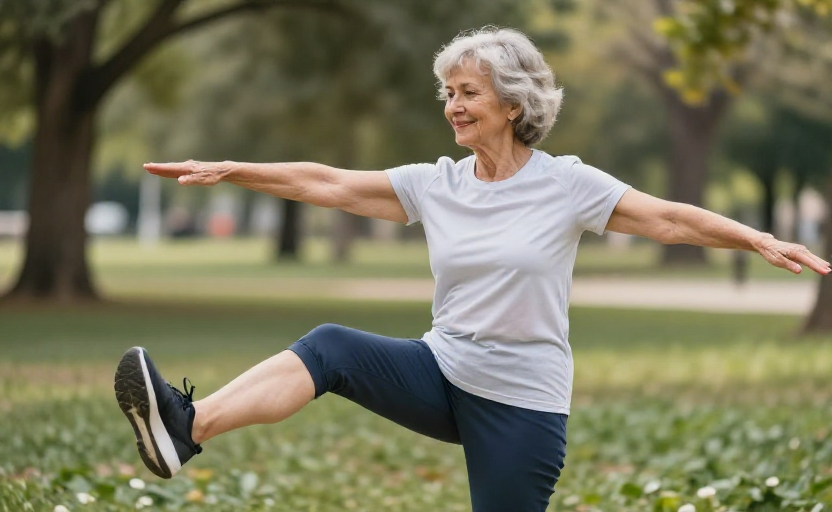
Instead of a static standstill, prioritize dynamic, low-intensity movement that mimics your workout. After a walk or jog, slow to a very gentle, ambling pace for five to ten minutes. After strength training, perform the same movements without any weight or with minimal resistance—think slow, controlled arm circles after shoulder presses, or bodyweight squats at half-range. This “active recovery” keeps blood moving smoothly to deliver nutrients and oxygen to tired muscles, aiding repair far more effectively than standing still.
The “No Fuel” Window
Another common misstep is treating the post-workout window as a nutritional blank space. You might hydrate, but skip refueling with a balanced snack or meal, thinking it’s better for weight management or simply because you don’t feel hungry. For seniors, this missed opportunity can directly impact recovery speed.
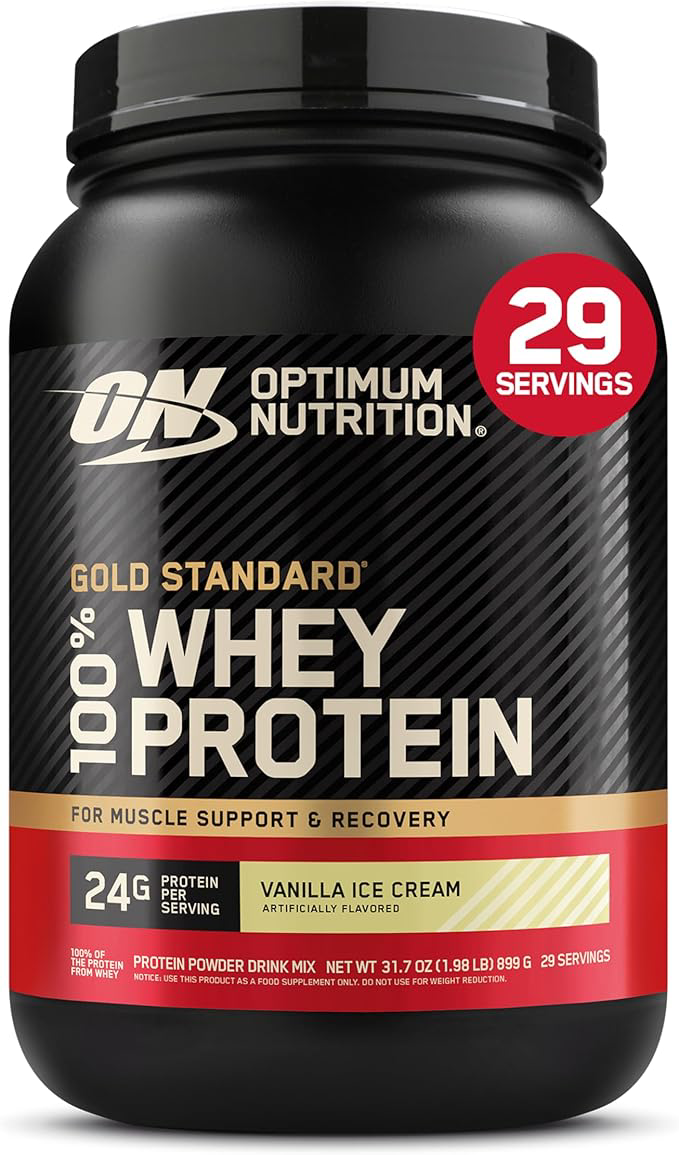
Muscle protein synthesis—the process of repairing and rebuilding muscle tissue—is particularly sensitive in older adults. To trigger this process, the body needs both protein and a source of carbohydrate. The carbohydrates help replenish glycogen stores (your muscles’ energy reserves), while the protein provides the amino acid building blocks for repair. Waiting too long after exercise to eat can mean missing the window where your muscles are most receptive to these nutrients.
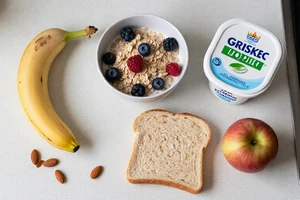
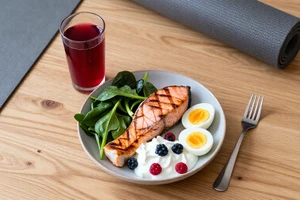
This doesn’t require a large meal. A simple, timely snack can make a substantial difference. Aim to consume something within 45 to 60 minutes after finishing your cool-down.
- A small bowl of Greek yogurt with berries
- A hard-boiled egg and a piece of fruit
- A glass of milk or a small smoothie
- A tablespoon of nut butter on whole-grain toast
This habit supports muscle maintenance, helps stabilize energy levels, and reduces that lingering feeling of heavy fatigue.
The All-or-Nothing Hydration Approach
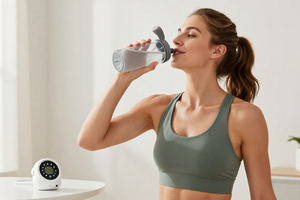
Hydration is often viewed as something you do during the workout itself. You sip from your bottle, finish it, and consider the job done. The cooling-down period, however, is a critical time for fluid replacement, especially for seniors whose thirst sensation may be diminished and whose bodies retain fluid less efficiently.
Dehydration, even mild, significantly hampers recovery. It thickens blood, making it harder for your cardiovascular system to deliver repair nutrients to muscles and carry away waste. It can also exacerbate post-exercise soreness and delay the reduction of inflammation.
The mistake is stopping hydration efforts the moment the workout ends. Your cool-down is the perfect time to consciously rehydrate. Water is excellent, but after a sweaty session, you may also need to replace electrolytes like sodium and potassium, which are lost through sweat and are crucial for nerve and muscle function. Instead of gulping a large volume quickly, sip steadily throughout your cool-down and for the next few hours.
Recovery is where the real adaptation to exercise happens. By refining your cool-down—shifting from static to active, prioritizing timely nourishment, and extending your hydration focus—you directly support your body’s innate repair systems. These adjustments require minimal extra time but offer a maximal return on your workout investment: less soreness, better sustained energy, and a stronger foundation for your next active day. Listen to your body’s signals, and give it the thoughtful transition it deserves.