Finding your rhythm with exercise after having a baby can feel like navigating a new landscape. Your body has changed, your time is fragmented, and your energy levels are unpredictable. The question of how often to work out isn't about returning to a pre-baby routine; it's about building a new, sustainable foundation for strength and vitality. As a trainer, I guide new mothers to listen to their bodies first and follow a flexible, phased approach that prioritizes healing and long-term health over intensity.
The most effective postpartum fitness plan is one you can actually do, consistently, without burning out or feeling guilty on the days you need to rest. It’s about gentle progress, not pushing through pain. Let’s explore how to structure your weekly workout frequency to support both strength and cardiovascular health in this unique season of life.
Why Postpartum Exercise Is Different
Your body has undergone a profound transformation. Hormones like relaxin, which loosened ligaments and joints to prepare for birth, can remain elevated for months, especially if you're breastfeeding. This means your core and pelvic floor need specific attention and time to recover their function. Jumping back into a high-frequency workout schedule too soon can risk injury, diastasis recti (abdominal separation), or pelvic floor dysfunction.
Exercise postpartum isn't just about calories burned. It's a tool for rebuilding functional strength for lifting your baby, improving mood through endorphin release, enhancing sleep quality, and reclaiming a sense of agency in your own body. The frequency of your workouts must serve these deeper goals, not undermine them.
The Foundational First Phase: Weeks 0-6 (or Beyond)
In the immediate postpartum period, formal "workouts" are not the goal. Your body is in a major healing phase. Medical guidelines typically advise waiting until after your 6-week postpartum check-up before beginning any formal exercise program, and this timeline can be longer for cesarean births or complicated deliveries. Always get clearance from your healthcare provider first.
During this time, frequency is about daily, gentle movement and connection:
- Breathing and Pelvic Floor Awareness: Practice gentle diaphragmatic breathing and very light pelvic floor contractions (Kegels) as soon as you feel able. This isn't a workout; it's rehabilitation. Aim for brief sessions multiple times a day, just a few minutes at a time.
- Walking: Start with short, slow walks around your home or block. Frequency can be daily, but duration and intensity should be minimal. Listen for any increase in bleeding or pain as a sign to rest.
- Rest: This is the most crucial component. Your body is repairing itself. Prioritize rest as actively as you will later prioritize exercise.
Consider this phase your body's mandatory rest and repair period. Movement is medicine, but so is stillness.
Building Your Weekly Schedule: A Phased Approach
Once cleared by your doctor, you can begin to think about a weekly structure. Think in terms of sessions rather than grueling hours. A 20-minute focused session is far more valuable and sustainable than an unpredictable 60-minute one.
Phase 1: Reconnection (Approx. Weeks 6-12)
Frequency: 2-3 short sessions per week.
Focus: Rebuilding the foundation. This means dedicated core and pelvic floor rehabilitation, gentle mobility work, and very light strength exercises (like bodyweight glute bridges or wall push-ups). Cardio should remain at a conversational pace, like brisk walking or gentle cycling.
Structure: Alternate days of activity with full rest days. For example, a session on Monday, Wednesday, and Friday. The goal is to establish a habit and reconnect with your muscles without overwhelm.
Phase 2: Consistent Strength & Cardio (Approx. 3-6 Months Postpartum)
Frequency: 3-4 sessions per week.
Focus: Introducing more structured strength training and gradually increasing cardio duration. Strength sessions should be full-body, emphasizing functional patterns (squat, hinge, push, pull) with light weights or resistance bands. Cardio can include walking, swimming, or low-impact aerobics.
Structure: A sample week could look like: Full-body strength (Mon), Brisk walk or swim (Wed), Full-body strength (Fri), Gentle family walk or yoga (Sun). This builds in balance and allows for recovery.
Phase 3: Sustainable Routine (6 Months+)
Frequency: 3-5 sessions per week, based on energy and time.
Focus: By now, you likely have a better handle on your new rhythms. You can explore splitting strength days (e.g., lower body focus one day, upper body another) and can gradually increase cardio intensity if desired (like jogging or higher-intensity intervals, if your pelvic floor feels ready).
Structure: This becomes more personalized. You might aim for 3 strength days and 1-2 cardio days. The key is maintaining flexibility—some weeks you may only manage 2 sessions, and that’s perfectly fine.
How to Listen to Your Body's Signals
A preset weekly frequency is just a guide. Your body will give you daily feedback you must honor.
- Red Flags (Stop & Rest): Any pain (especially in the pelvis, back, or joints), a feeling of pressure or bulging in the abdominal wall, leaking urine, or a significant increase in vaginal bleeding. These are signs to reduce frequency or intensity and consult a pelvic health physiotherapist.
- Yellow Flags (Proceed with Caution): Feeling unusually fatigued, achy, or emotionally drained. This may mean swapping a planned workout for a nap, a walk, or gentle stretching.
- Green Lights (Good to Go): Feeling energized, strong, and mentally clear. You can engage in your planned session with good form and a positive mindset.
Integrating Cardio and Strength
You don’t need separate days for everything. Especially early on, combined sessions are efficient and effective.
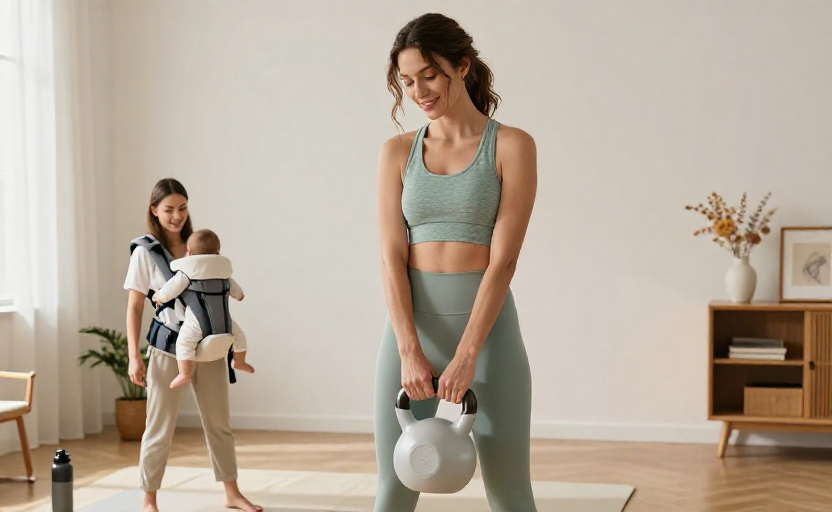
The Blended Session: A 25-minute session could include a 5-minute warm-up walk, 15 minutes of bodyweight or light dumbbell strength circuits (e.g., squats, modified planks, rows), and a 5-minute cool-down with stretching. This touches on both strength and cardio in a manageable window.
Activity as Cardio: Chasing a toddler, wearing your baby while doing household chores, or taking a longer, hilly walk count as cardiovascular activity. It doesn’t have to happen in a gym.
Creating a Flexible Framework, Not a Rigid Schedule
Your week with a newborn or infant is unpredictable. Instead of locking in "Monday, Wednesday, Friday," think in terms of a weekly movement goal. "This week, I'll aim for three 20-minute sessions of focused movement." Maybe you do one during a nap, one with the baby beside you doing tummy time, and one on the weekend when your partner can help. This mindset reduces the guilt of a "missed" day on a rigid calendar.
Postpartum fitness is a marathon of patience, not a sprint back to your old self. Your weekly workout frequency is the gentle drumbeat that guides you toward greater strength and endurance, one mindful session at a time. Celebrate the consistency of showing up for yourself, in whatever form that takes today.