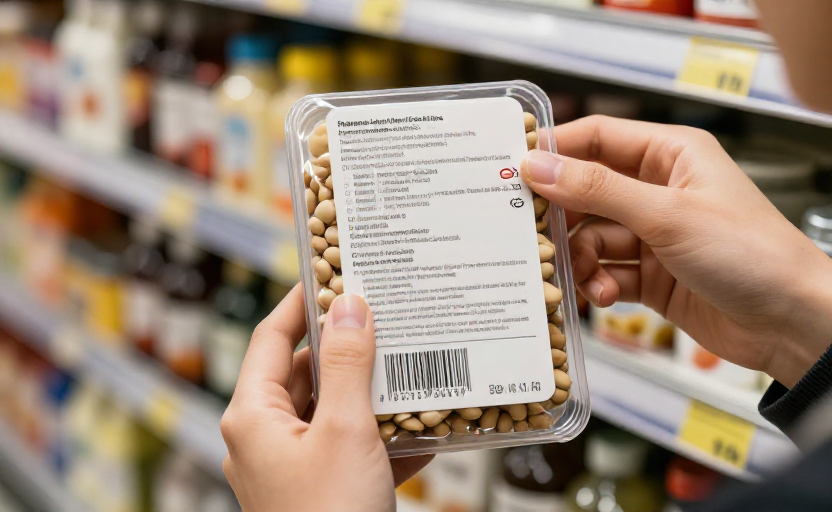
Navigating the grocery store with a food allergy can feel like walking through a minefield. While the bold, obvious ingredients are easy to spot, the real challenge lies in the fine print—the alternate names, shared equipment warnings, and vague terms that can hide common triggers. Learning to decode a food label is your most practical tool for staying safe.
This guide moves beyond simply checking for the allergen in bold. We’ll walk you through the key sections of a label, explain the language manufacturers use, and show you how to spot potential risks, empowering you to shop with greater confidence and clarity.
Start with the “Contains” Statement
In the United States and many other countries, food manufacturers are required to clearly identify the presence of any of the nine major food allergens. These are milk, eggs, fish, crustacean shellfish, tree nuts, peanuts, wheat, soybeans, and sesame (as of 2023). This declaration is usually found immediately after or near the ingredient list, often starting with the word “Contains.”
This statement is your first and most critical stop. If your allergen is listed here, you can put the product back without reading further.
It’s designed to be straightforward, but remember: it only covers those top allergens. If you have a less common allergy, like to corn, garlic, or certain seeds, you’ll need to dig deeper into the full ingredient list.
Decipher the Full Ingredient List
The ingredient list is where things get detailed. Ingredients are listed in descending order by weight. Your task is to look for both the common name of your allergen and any of its scientific or derivative names.
For example, if you have a milk allergy, “whey,” “casein,” “lactose,” and “nougat” are all red flags. A soy allergy means watching for terms like “lecithin,” “textured vegetable protein (TVP),” or “mono- and diglycerides.” Here are a few common triggers and their alternate names:
- Milk: Casein, whey, lactalbumin, ghee, rennet.
- Egg: Albumin, globulin, lecithin (unless specified as soy), lysozyme.
- Wheat: Semolina, spelt, farina, durum, malt (unless derived from corn).
- Soy: Tempeh, tamari, edamame, miso, hydrolyzed vegetable protein.
When in doubt about an unfamiliar ingredient, it’s safest to avoid the product or contact the manufacturer directly for clarification.
Understand Advisory Statements
Perhaps the most confusing part of a label are the voluntary warnings like “May contain [allergen],” “Processed in a facility that also processes [allergen],” or “Made on shared equipment with [allergen].”
These are not required by law. They are manufacturer discretion statements indicating a potential for cross-contact during production. The level of risk can vary widely.
Treat advisory statements seriously. While not a guarantee of contamination, they indicate a known risk. Many individuals with severe allergies choose to avoid products with these warnings altogether.
If you see no advisory statement, it does not guarantee the product is free from cross-contact. It simply means the company has chosen not to include a warning. For high-risk individuals, researching a brand’s manufacturing practices can provide extra peace of mind.
Look Beyond the Obvious Sections
Allergens can appear in unexpected places. Don’t just scan the main ingredients; check every part of the label.
- Spices or Natural Flavors: These can sometimes contain allergens. While major allergens must be declared even within these blends, less common ones may not. “Natural flavor” could theoretically be derived from dairy, soy, or other sources.
- “Non-Dairy” or “Dairy-Free”: These terms can be misleading. According to FDA regulations, a “non-dairy” product may still contain milk-derived proteins like casein. “Dairy-free” is less regulated but generally implies no milk ingredients. Always verify with the ingredient list.
- Precautionary Allergen Labeling (PAL): This is the umbrella term for those “may contain” statements. Different countries have different guidelines for their use, so consistency is lacking. The safest approach is to develop a personal policy for how you handle them.
Develop a Consistent Routine
Reading labels becomes second nature with practice. Establish a routine: first, check the “Contains” statement. Second, scan the full ingredient list for your trigger and its aliases. Third, look for any advisory warnings. Finally, remember that manufacturers can change recipes, so check the label every time you buy, even on a familiar product.
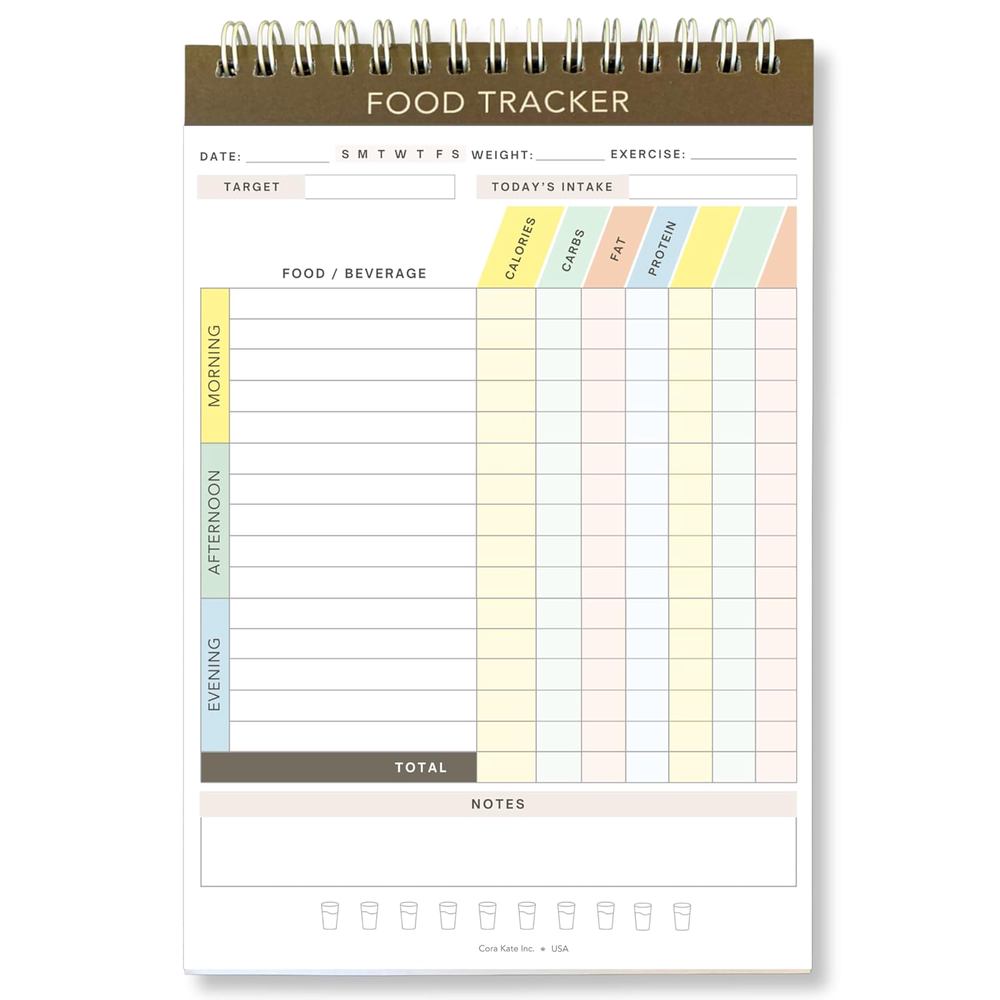
When you find a product that is safe for you, it can be helpful to note the brand and specific product name. Building a personal list of “safe” foods reduces the mental load of every shopping trip.
Arming yourself with this knowledge turns a daunting task into a manageable one. It allows you to take control, make informed choices, and focus on enjoying the foods that are safe for you.