Navigating the grocery store aisles with blood sugar in mind can feel like deciphering a secret code. Nutrition labels are packed with numbers, but the key to making supportive choices lies in understanding one specific section: carbohydrates. It’s not just about the total grams; it’s about knowing which parts of that number will impact your glucose levels and which can work in your favor. This guide breaks down the label, line by line, so you can shop with clarity and confidence.
Why Carbs Matter for Blood Sugar
Carbohydrates are the body’s primary source of energy, but they are also the nutrient that has the most immediate effect on blood glucose. When you eat carbs, your digestive system breaks them down into sugars, which enter your bloodstream. This is a normal process, but the type, amount, and combination of carbs you consume influence how quickly and dramatically your blood sugar rises.
Learning to read the carbohydrate section of a nutrition label gives you the power to predict this effect. It allows you to compare products, identify hidden sugars, and choose options that provide more steady energy rather than sharp spikes and crashes. This skill is foundational, whether you’re managing a specific condition or simply aiming for more balanced energy throughout your day.
Decoding the Carbohydrate Section
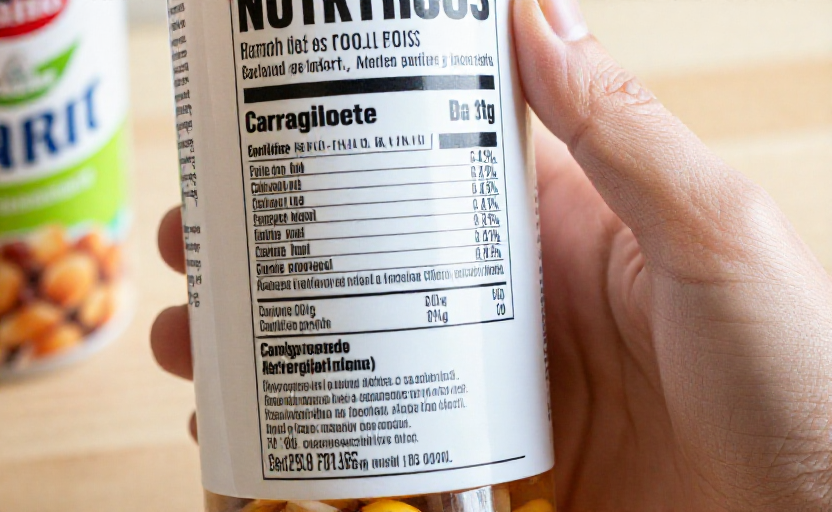
Look for the bold “Total Carbohydrate” heading on the label. This is your starting point, but the real insights are in the details listed directly beneath it.
Total Carbohydrate
This number represents the sum of all types of carbohydrates in one serving of the food—including dietary fiber, sugars, and sometimes sugar alcohols. It’s the big-picture figure. For blood sugar management, this total is important, but it’s not the whole story. A food with 30 grams of total carbs that includes 10 grams of fiber will affect your body differently than a food with 30 grams of carbs that includes 20 grams of added sugar.
Dietary Fiber
Fiber is a carb, but it’s a non-digestible one. It passes through your system without being broken down into blood sugar, which means it doesn’t contribute to a glucose spike. In fact, fiber slows down the digestion of other carbs in the meal, leading to a more gradual rise in blood sugar.
When comparing products, a higher fiber count is generally a positive sign for blood sugar balance.
You’ll find fiber listed indented under “Total Carbohydrate.” Experts often suggest subtracting these grams of fiber from the total carbs to get a sense of the “net” or “impact” carbs—the carbs that will digest and affect blood sugar. While not an official term on labels, it’s a useful personal calculation.
Sugars
This line includes both naturally occurring sugars (like those in fruit or milk) and added sugars. Since both types are chemically identical, the label doesn’t distinguish between them here. This is why the next line is so crucial.
Added Sugars
This is one of the most important additions to modern nutrition labels. “Added Sugars” specifically refers to sugars and syrups that are incorporated during processing or preparation. Think table sugar, high-fructose corn syrup, honey, or maple syrup added to a product.
For blood sugar management, keeping an eye on added sugars is key. They contribute calories and carbohydrates without offering beneficial nutrients like fiber, vitamins, or minerals, and they can lead to rapid increases in blood glucose. The Dietary Guidelines for Americans recommend limiting added sugars to less than 10% of your daily calories.
Sugar Alcohols
You may see this line on foods labeled “sugar-free” or “no sugar added,” like certain protein bars or candies. Sugar alcohols (e.g., erythritol, sorbitol, xylitol) provide sweetness with fewer calories and a smaller blood sugar impact than regular sugar because they are only partially absorbed. However, they can cause digestive discomfort for some people if consumed in large amounts.
Putting It Into Practice: A Step-by-Step Look
Let’s walk through how to evaluate a label with blood sugar in mind. First, always check the serving size at the very top. All the numbers below it are for that single serving, and it’s easy to consume multiple servings without realizing it.
Next, go to the carbohydrate section:
- Note the Total Carbohydrates: This gives you a baseline.
- Check the Dietary Fiber: A good goal is to look for foods with at least 3-5 grams of fiber per serving. The higher the better.
- Scan the Added Sugars: Try to choose foods with minimal added sugars. Less than 5 grams per serving is a reasonable target for packaged items.
- Consider the Whole Package: Look at what else is in the food. Does it contain protein or healthy fats? These nutrients also help slow digestion and moderate blood sugar response, making a food with a slightly higher carb count but also good protein a potentially better choice than a low-carb, high-sugar option.
Common Label Claims and What They Really Mean
Marketing terms can be misleading. Here’s a quick translation:
- “Sugar-Free” or “No Added Sugar”: This does not mean carb-free. The product may still contain significant carbohydrates from starch or naturally occurring sugars, and it might use sugar alcohols for sweetness. Always check the Total Carbohydrate line.
- “Net Carbs” or “Impact Carbs”: This is a marketing calculation, not an FDA-regulated term. Companies typically subtract fiber and sugar alcohol grams from Total Carbs. While it can highlight lower-impact options, it’s best to verify by looking at the actual nutrition facts panel yourself.
- “Low-Carb”: There’s no legal definition. One brand’s “low-carb” bread might have 5 grams of net carbs, another’s might have 15. The label numbers are your only reliable source.
Beyond the Label: The Bigger Picture
While label reading is an essential skill, it’s just one tool. Whole, unprocessed foods—like vegetables, legumes, nuts, seeds, and lean proteins—often don’t come with a label at all and are excellent choices for stable blood sugar. When you do choose packaged foods, use the label to find options that are higher in fiber and lower in added sugars, and pair them with those whole foods for a balanced plate.
Remember, consistency and overall dietary patterns matter more than any single food choice. Becoming fluent in the language of nutrition labels empowers you to make informed decisions that support your well-being, one thoughtful selection at a time.