You’ve likely heard the buzz about gut health, but turning that buzz into practical, everyday meals can feel like a puzzle. The world of prebiotics and probiotics doesn’t have to be complex or confined to expensive supplements. In fact, some of the most powerful foods for your gut microbiome are already in your kitchen, waiting to be used in simple, delicious ways.
This guide is about moving from theory to practice. We’ll explore what these terms really mean for your meals and how to seamlessly incorporate a variety of prebiotic and probiotic foods into your daily routine, from breakfast to dinner.
What’s the Difference Between Prebiotics and Probiotics?
Think of your gut microbiome as a vibrant garden. Probiotics are the live beneficial bacteria you add to the soil—the seeds and plants themselves. You find them in fermented foods where live cultures are present. Prebiotics, on the other hand, are the specialized fertilizer that feeds those good bacteria, helping them thrive and multiply. They are specific types of dietary fiber that our bodies can’t digest, so they pass through to the colon where your gut microbes feast on them.
A healthy gut ecosystem needs both: the beneficial residents (probiotics) and the food to sustain them (prebiotics).
When you consistently include both in your diet, you’re supporting a more resilient and diverse community of microbes, which is linked to benefits for digestion, immune function, and overall well-being.
Everyday Probiotic Foods to Explore
Probiotic foods are created through fermentation, where microorganisms like bacteria or yeasts convert sugars into acids or alcohol. This process not only preserves the food but populates it with live cultures.
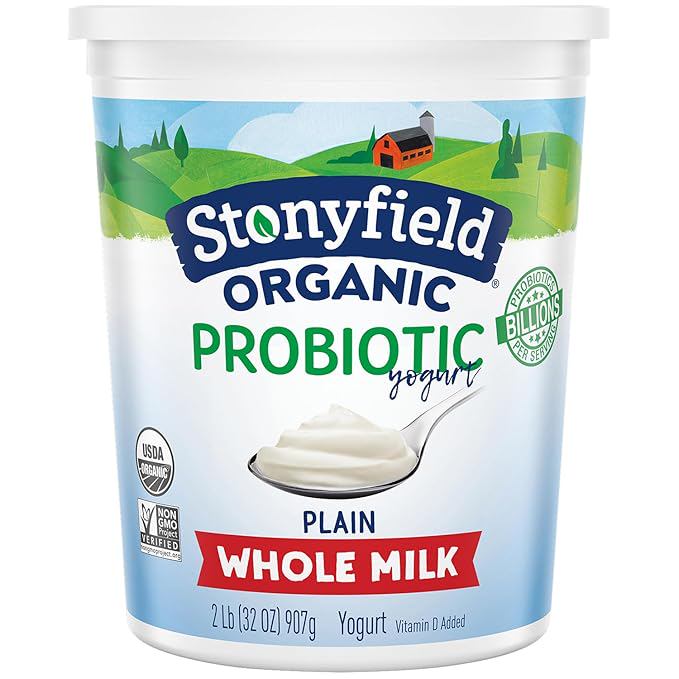
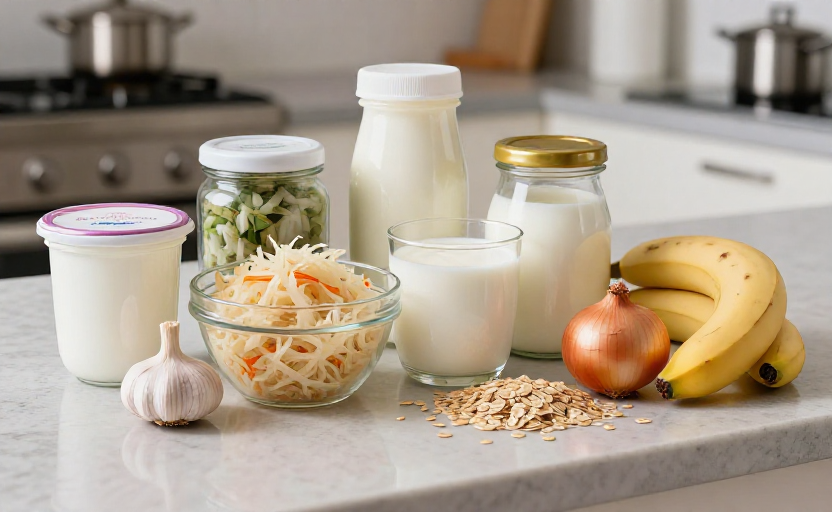
- Yogurt & Kefir: Perhaps the most familiar probiotics. Look for labels that mention “live and active cultures.” Kefir, a drinkable fermented milk, often contains an even wider diversity of strains.
- Sauerkraut & Kimchi: Fermented cabbage dishes. For the probiotic benefits, choose unpasteurized, refrigerated varieties, as pasteurization kills the live bacteria. Kimchi adds Korean chili and other seasonings for a spicy kick.
- Miso & Tempeh: Staple proteins from soy fermentation. Miso paste flavors soups and dressings, while tempeh is a firm, nutty cake perfect for marinating and cooking.
- Kombucha: A fermented tea that’s become widely popular. It’s tart, slightly fizzy, and available in many flavors. Be mindful of its often-present sugar content.
When shopping, a good rule of thumb is to check the refrigerated section and read labels for mentions of “live cultures,” “unpasteurized,” or “naturally fermented.”
Prebiotic Foods: The Unsung Heroes
Prebiotics are less about a specific process and more about the inherent fiber content of many whole foods. By including a variety of these, you’re setting the table for your gut bacteria.
Excellent sources include:
- Garlic, Onions, & Leeks: All members of the allium family, rich in the prebiotic fiber inulin. They form the flavor base for countless savory dishes.
- Asparagus & Jerusalem Artichokes (Sunchokes): These vegetables are particularly high in inulin. Jerusalem artichokes have a sweet, nutty flavor similar to water chestnuts.
- Chicory Root & Dandelion Greens: Chicory root is often used as a caffeine-free coffee alternative, while dandelion greens make a slightly bitter, nutrient-dense addition to salads.
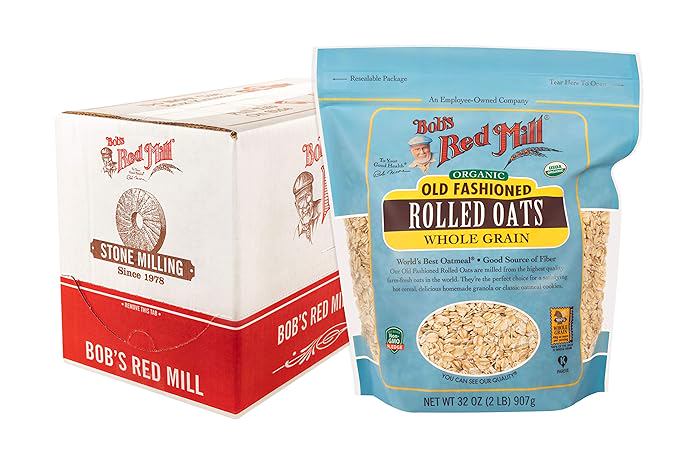
- Bananas (especially slightly green ones), Oats, & Apples: Convenient and versatile fruits and grains that contain prebiotic fibers like resistant starch (in greener bananas) and pectin (in apples).
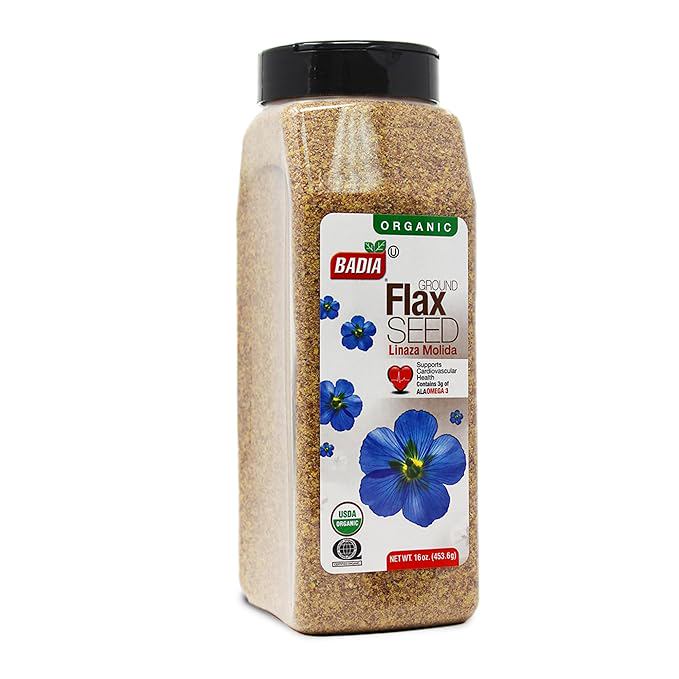
- Flaxseeds & Chia Seeds: Tiny powerhouses that offer a mix of fiber, including prebiotic types, along with healthy fats.
Building Gut-Friendly Meals: A Practical Approach
You don’t need to overhaul your diet overnight. Start by adding one or two of these foods to meals you already enjoy.
For Breakfast
Stir a spoonful of chia or flaxseeds into your oatmeal (a prebiotic), then top it with a dollop of yogurt (a probiotic). Or, blend a smoothie with a slightly green banana, spinach, and kefir.
For Lunch & Dinner
Add a generous spoonful of sauerkraut or kimchi as a tangy topping to grain bowls, salads, or alongside a protein. Sauté onions and garlic (prebiotics) as the first step for soups, stews, and sauces. Use tempeh, marinated and pan-fried, as a plant-based centerpiece.
For Snacks & Sides
Enjoy an apple with its skin on. Roast asparagus or sunchokes with olive oil and herbs. Sip on a small serving of kombucha, or enjoy a miso-based soup.
The goal is diversity, not quantity. A tablespoon of sauerkraut, a clove of garlic, and a daily banana can collectively make a meaningful difference.
What to Keep in Mind
If you’re new to high-fiber or fermented foods, introduce them gradually to allow your digestive system to adjust. Drinking plenty of water is also key when increasing fiber intake.
Remember, these foods are part of a holistic approach to wellness. They are not cures or substitutes for medical advice. If you have specific health conditions, such as Small Intestinal Bacterial Overgrowth (SIBO), some prebiotic fibers might need to be approached with caution, and it’s wise to consult a healthcare provider or dietitian.
Ultimately, nurturing your gut is a long-term practice rooted in consistent, simple choices. By weaving these prebiotic and probiotic foods into your regular meals, you’re investing in your internal ecosystem with every bite.