For anyone whose workday doesn’t follow a nine-to-five rhythm, the classic advice of “eat three square meals at regular times” can feel more like a taunt than a solution. When your schedule is unpredictable, your hunger cues get drowned out by back-to-back meetings, late-night deadlines, or shift changes. The result is often a cycle of skipping meals, grabbing whatever is fastest, and feeling perpetually out of sync with your body’s needs.
This guide isn’t about forcing a rigid timetable onto a chaotic life. Instead, it’s about building a flexible, practical approach to meal timing that works with your irregular hours, not against them. The goal is to support steady energy, better digestion, and overall well-being, without adding more stress to your plate.
Why When You Eat Matters (Especially When Life Is Unpredictable)
Our bodies thrive on rhythm. Internal clocks, known as circadian rhythms, influence everything from sleep-wake cycles to hormone release and digestion. Eating at wildly inconsistent times can disrupt these rhythms, which may affect energy levels, metabolism, and even how your body processes nutrients.
For the busy adult, the practical consequences are what hit home: that 3 p.m. energy crash, difficulty winding down at night after a late dinner, or intense hunger that leads to less-than-ideal food choices. While what you eat is fundamental, when you eat acts as the conductor, helping to orchestrate your energy and focus throughout the day.
Building Your Flexible Meal Timing Framework
Think of this as creating a set of guiding principles, not a minute-by-minute schedule. These strategies are designed to be adapted, whether you’re starting work at 6 a.m. or 3 p.m.
Anchor Your Day with a Consistent Start
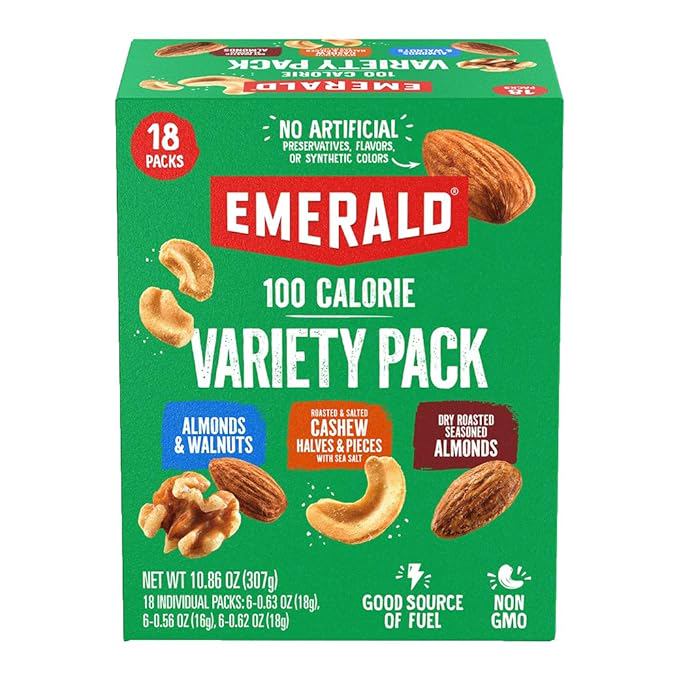
If there’s one meal you can often control, it’s the first one. Try to break your fast within 1-2 hours of waking, regardless of what time that is. This “anchors” your metabolic day and helps stabilize blood sugar. If you’re not hungry immediately, start small—a piece of fruit, a yogurt, or a handful of nuts can signal to your body that the day has begun.
A consistent morning meal, even if it's small, sets a metabolic tone for the hours ahead.
Listen for the Hunger Signals (And Plan for Their Absence)
When you’re deep in focus, hunger often whispers. We ignore it until it screams, leading to ravenous overeating later. Set a gentle reminder to pause and check in with yourself every 3-4 hours. Ask: “Am I physically hungry?” If the answer is yes, it’s time to eat. If you’re consistently missing cues, scheduling a small snack becomes a proactive tool, not a failure of intuition.
Master the Art of the Strategic Snack
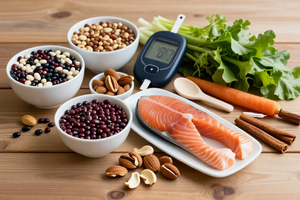
Snacks are the secret weapon of the irregular schedule. They bridge the gaps when a full meal isn’t possible. The key is to pair a protein or healthy fat with a complex carbohydrate. This combination provides longer-lasting energy than carbs alone.
- An apple with a tablespoon of almond butter
- Whole-grain crackers with cheese
- A hard-boiled egg and a few whole-grain crackers
- Greek yogurt with berries
Navigate Late-Night Eating with Intention
For shift workers or those burning the midnight oil, eating late is inevitable. The focus should be on what and how. Opt for a lighter, easily digestible meal that’s lower in heavy fats and simple sugars. Think a lean protein with vegetables, or a small bowl of oatmeal. Allow at least an hour, if possible, between eating and lying down to support digestion.
Practical Scenarios: Applying the Framework
Let’s translate these principles into real life.
The Early Riser (5 a.m. Start)
Your day starts before sunrise. Have a substantial breakfast at 6 a.m. A mid-morning snack around 9 a.m. will be crucial. Aim for lunch by 12:30 p.m., an afternoon snack at 3:30 p.m., and a lighter dinner by 7 p.m. This spreads your energy intake across your long waking hours.
The Shift Worker (3 p.m. to 11 p.m. Shift)
Eat a balanced lunch at 1 p.m. before leaving. Pack two strategic snacks: one for your mid-shift break (around 6 p.m.) and one for later (9 p.m.). Have your “main meal” when you get home, but keep it light—perhaps a soup or salad with protein. The goal is to fuel your work without overloading your system right before sleep.
The Meeting-Marathon Professional
Your calendar is back-to-back calls. Here, scheduling is non-negotiable. Block 15-20 minutes for lunch on your calendar as you would any critical meeting. Have ready-to-eat snacks (like those listed above) in your desk drawer. If you know a meeting will run through a typical meal time, eat your snack during the meeting if cameras are off, or immediately before.
Protect your meal breaks in your calendar with the same importance as a client meeting.
Tools to Make It Easier
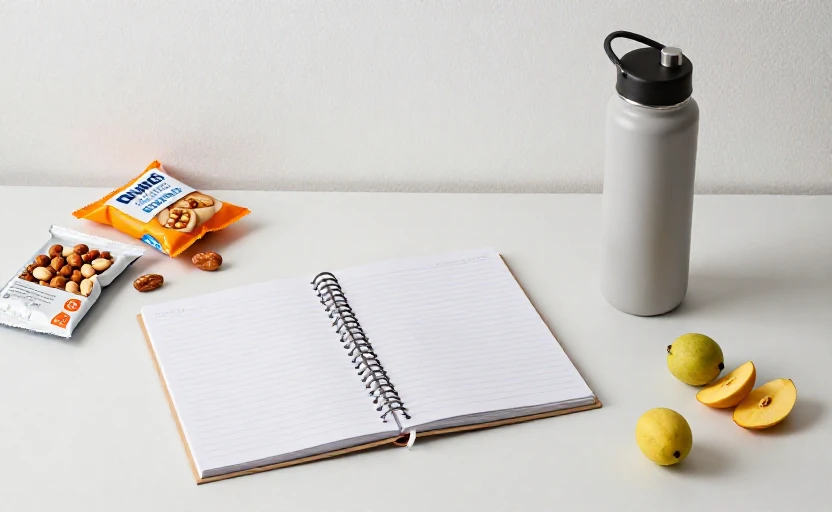
A little preparation prevents desperation. Keep a stash of non-perishable snacks in your bag, car, or desk. When you do have time to cook, prepare larger batches of versatile staples—like grilled chicken, quinoa, roasted vegetables, or hard-boiled eggs—that can be quickly assembled into different meals. Use reminders on your phone not just to eat, but to hydrate, as thirst can masquerade as hunger.
Ultimately, effective meal timing for a busy life is about regaining a sense of agency. It’s acknowledging that your schedule is irregular while refusing to let your well-being become chaotic in response. By anchoring your day when you can, listening to your body, and planning for the inevitable crunch times, you create a sustainable rhythm that supports you through even the most unpredictable weeks. Start with one strategy, notice how it feels, and build from there. Your energy levels will thank you.