You’ve just finished a solid upper-body session. Your shoulders feel worked, maybe a little heavy, but the real test comes tomorrow. That familiar, nagging stiffness can set in, making it hard to reach for a coffee mug or turn your head to check a blind spot. While some soreness is a normal part of building strength, persistent stiffness can hinder your recovery and your next workout.
Nutrition plays a crucial, often overlooked, role in this process. What you eat after exercising isn’t just about refueling energy; it’s about providing your muscles and joints with the specific building blocks they need to repair and reduce inflammation. A dietitian looks at post-workout nutrition through this lens of targeted support. The right foods can help soothe the micro-tears in muscle fibers, manage the inflammatory response, and replenish the fluids and electrolytes lost through sweat—all of which contribute directly to how stiff and sore you feel the next day, particularly in complex joints like the shoulders.
How Food Helps Your Shoulders Recover
Shoulder stiffness after a workout isn't just about the deltoids. It involves a network of muscles, tendons, and the joint capsule itself. Intense or unfamiliar exercise creates microscopic damage in muscle fibers, triggering a natural inflammatory response. This inflammation is a necessary signal for repair, but when it’s excessive or prolonged, it leads to that tight, achy feeling and reduced range of motion.
Your post-workout meal can gently guide this process. The goal is to:
- Supply protein to provide amino acids, the raw material for repairing damaged muscle tissue.
- Incorporate anti-inflammatory nutrients to help modulate the body’s repair response and calm excessive swelling.
- Replenish glycogen and fluids to restore energy and hydration, which keeps tissues supple and aids nutrient transport.
Focusing on foods rich in these properties can make a tangible difference in how your shoulders feel as they recover.
Four Post-Workout Foods for Easier Movement
These selections are chosen for their synergistic blend of recovery nutrients. Think of them as components you can mix and match into a satisfying post-workout meal or snack.
1. Fatty Fish (like Salmon or Mackerel)
This is a powerhouse for fighting exercise-induced inflammation. Fatty fish are one of the richest sources of omega-3 fatty acids, specifically EPA and DHA. These fats are incorporated into your cell membranes and are used by the body to produce compounds that actively resolve inflammation, not just suppress it.
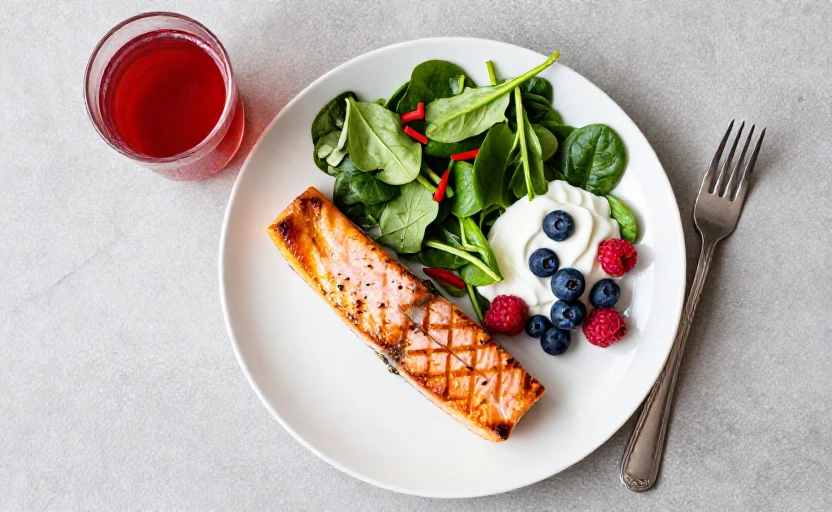
A 3-4 ounce serving of salmon post-workout delivers high-quality protein for muscle repair alongside a direct dose of these potent anti-inflammatory fats.
This one-two punch helps address the root cause of stiffness, promoting a smoother recovery in the muscles and connective tissues around the shoulder joint. Canned wild salmon or sardines are a convenient, affordable option for a quick recovery meal.
2. Tart Cherry Juice
Research, including studies on athletes, has consistently pointed to tart cherry juice as a natural aid for muscle recovery. The benefit comes from its high concentration of anthocyanins and other polyphenols—plant compounds with strong antioxidant and anti-inflammatory effects.
These compounds appear to help reduce oxidative stress and lower markers of inflammation in the blood after strenuous exercise. For your shoulders, this can translate to less post-workout soreness and a faster return to normal, pain-free movement. Opt for an unsweetened tart cherry juice concentrate or juice; a small 4-8 ounce glass after your workout is sufficient.
3. Greek Yogurt with Berries
This combination creates an ideal recovery profile. Greek yogurt provides a double dose of recovery protein: fast-digesting whey and slow-digesting casein. This helps initiate muscle repair quickly and sustains it over several hours. It’s also a good source of calcium and electrolytes like potassium.
Pairing it with berries—blueberries, strawberries, raspberries—adds a layer of antioxidant and anti-inflammatory support from vitamin C and flavonoids. The natural sugars from the berries also help start the process of replenishing muscle glycogen. Together, they make a simple, effective snack that supports tissue repair and helps manage the inflammatory side effects of a hard workout.
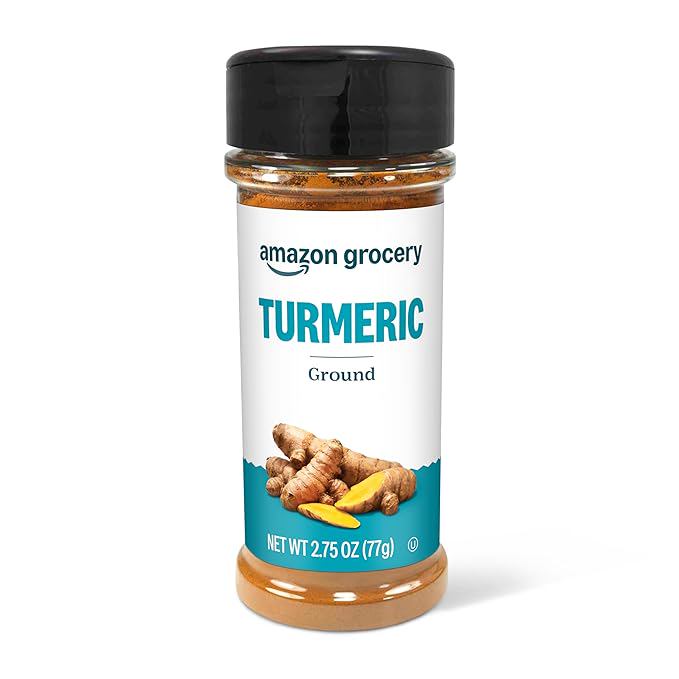
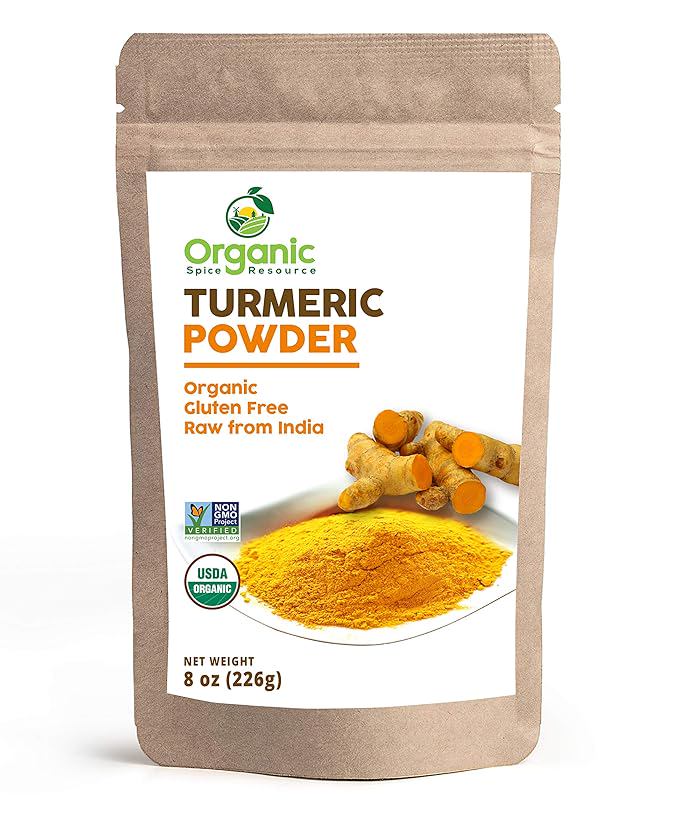
4. Eggs with Spinach and Turmeric
Eggs are a complete protein source, meaning they contain all nine essential amino acids your body needs to rebuild muscle. The leucine in eggs is particularly important for kickstarting the protein synthesis process.
Elevate this recovery staple by sautéing a handful of spinach for a boost of magnesium—a mineral that plays a role in muscle relaxation and nerve function—and adding a generous pinch of turmeric. The active compound in turmeric, curcumin, is well-studied for its anti-inflammatory properties. Cooking it with a dash of black pepper (as you would in this scramble) enhances your body’s absorption of curcumin significantly, making this a potent, whole-food recovery meal.
Building Your Post-Workout Plate
You don’t need to eat all four foods at once. The key is to combine principles: pair a quality protein source with an anti-inflammatory food. Here are a few ideas:
- A salmon salad bowl with mixed greens and a olive oil-lemon dressing.
- A smoothie made with Greek yogurt, a splash of tart cherry juice, frozen berries, and spinach.
- An omelet with spinach and turmeric, served with a small glass of tart cherry juice on the side.
Timing matters, but don’t stress. Aim to eat within 45 minutes to two hours after your workout, when your muscles are most receptive to nutrients. Hydration is the other critical piece. Drink water consistently throughout the day. Dehydration can worsen muscle cramping and stiffness, as fluids are essential for lubricating joints and transporting nutrients.
Persistent or severe shoulder pain should always be evaluated by a healthcare professional, as it could indicate an injury. But for the general stiffness that follows a good workout, these foods offer a delicious, natural way to support your body’s own healing processes and keep your shoulders feeling mobile and ready for what’s next.