Whether you are ordering takeout, dining at a trendy bistro, or picking up a meal kit, processed ingredients can sneak into dishes that sound perfectly wholesome. Restaurant and packaged foods often rely on additives, preservatives, and refined components to boost flavor, texture, or shelf life—even when the menu description sounds fresh and natural. Learning how to spot those hidden ingredients gives you more control over what you eat and supports your long-term wellness goals.
The following tips come from dietitians and food-label experts who know exactly where to look on a menu and what red flags to catch early. Use them to make informed choices whether you are grabbing breakfast, lunch, or dinner.
Look Past the Buzzwords on the Menu
Descriptions like “artisan,” “homestyle,” and “natural” sound reassuring, but they are not legally defined in many places. A menu might say “natural chicken breast” and still serve poultry that has been injected with a saline solution, broth, or sodium phosphates to plump it up. Ask if the meat, fish, or poultry is prepared without added brines or solutions. Genuinely whole cuts do not need those extra ingredients to stay moist.
Watch for Hidden Sugars Hidden in Sauces and Dressings
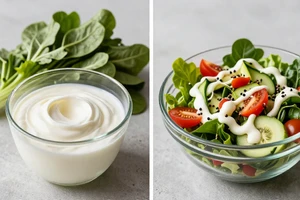
Many diners scan entrees and sides but forget that salad dressings, glazes, marinades, and dipping sauces can be heavy sources of added sugar, corn syrup, or maltodextrin. A teriyaki glaze, balsamic vinaigrette, or “house dressing” might list sugar or high-fructose corn syrup among its top ingredients. Ask for dressings and sauces on the side, or request olive oil and vinegar as a simple alternative. Restaurants are usually happy to accommodate.
Scan for Unexpected Thickeners and Stabilizers
Soups, gravies, smoothies, and even coffee creamers often contain modified food starch, carrageenan, or xanthan gum to achieve a rich mouthfeel. These are not inherently harmful—carrageenan, for example, comes from seaweed—but they are processed additives that can cause digestive irritation in sensitive individuals. If a soup or sauce seems unusually thick or glossy, it is fair to ask whether it is made with a roux and stock or relies on a powdered thickener.
Identify Refined Grains Hiding in “Whole Grain” Options
A menu may boast “whole wheat pasta” or “multigrain bread,” but that does not guarantee whole grains are the primary ingredient. “Multigrain” simply means more than one type of grain is used, and it is often refined flour with a sprinkle of whole grains added. Look for terms like “100% whole grain” or check if the first ingredient listed is whole wheat, whole oats, or whole rye. When eating out, ask if the grain is truly whole and not a blend.
Learn the Common Names for Added Fats
Many restaurant kitchens rely on vegetable oils, shortening, or margarine to cook and flavor dishes, yet the menu rarely lists those details. Fried foods, baked goods, and pan-seared items can harbor partially hydrogenated oils or high amounts of omega-6 fats that are linked to inflammation. Ask what oil is used for cooking—olive, avocado, or coconut oils are better choices, while soybean, cottonseed, and canola oils are more processed. Many restaurants now advertise their cooking oil as a point of pride.
Beware of “Low-Fat” or “Fat-Free” Menu Claims
When manufacturers or chefs remove fat, they often replace it with sugar, starches, or artificial thickeners to maintain flavor and texture. A “low-fat” yogurt parfait or salad dressing may be surprisingly high in added sugars or corn syrup. A better approach is to choose dishes with naturally occurring fats—avocado, nuts, seeds, or olive oil—rather than ingredients that were chemically altered to reduce fat content.
Don’t Overlook the Beverage and Condiment Bar
Hidden processed ingredients can also lurk in coffee syrups, flavored iced teas, and pre-made smoothie bases. These liquids often contain high-fructose corn syrup, artificial colors, and preservatives. Even ketchup, barbecue sauce, and some mustards sold in bulk have added sugar and stabilizers. Stick with unsweetened beverages, and read the ingredient list on any condiment bottle if it is visible. When in doubt, ask for the simple version: black coffee, plain seltzer, or lemon in water.
Ask Specific, Not Generic, Questions
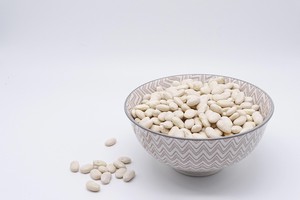
Rather than asking whether something is healthy or natural—subjective terms that differ by interpretation—ask specific questions. For example: “Is the salmon fresh or previously frozen? Does it have added salt or phosphates?”, “Does the salad dressing contain sugar or high-fructose corn syrup?”, or “Are the beans cooked from scratch or from a can?” Staff members who are trained well can give you clear answers. If they hesitate, that is an honest signal the dish likely contains more processed elements.
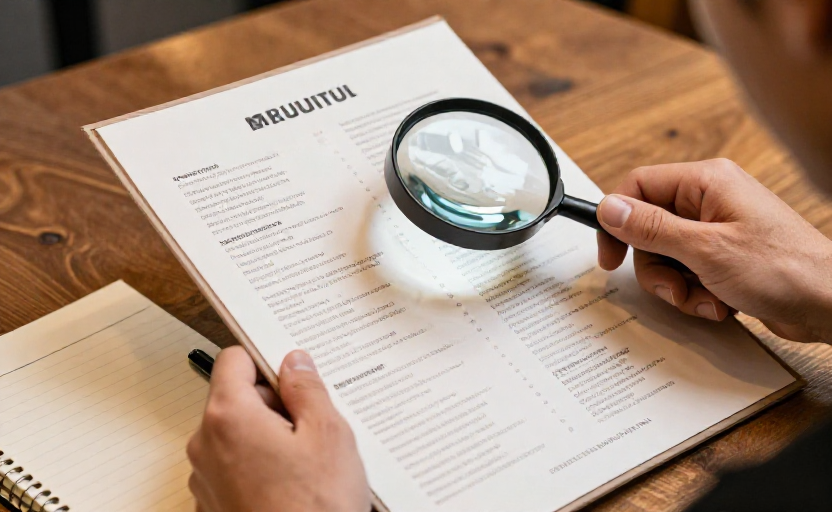
A quick tip: If a menu does not list a dish’s components clearly, it is often because there is something to hide. Transparent menus tend to mention whole ingredients.
By staying curious and using these expert-backed strategies, you can navigate any menu with confidence. Over time, these small habits become second nature, and eating without hidden processed ingredients can feel less like a chore and more like an empowering choice.


![[8-Pack,30 oz]Glass Meal Prep Containers,Glass Food Storage Containers,Airtight lunch Containers with Lids, Microwave, Oven, Freezer and Dishwasher](https://www.glowtheorylab.com/uploads/ad202604/51081d9654d4075b.webp)