It's a familiar scene: you're on the road, short on time, and your only option seems to be a drive-thru. The assumption is that fast food equals a fiber-free zone, a nutritional wasteland of white buns and fried potatoes. But that's not entirely true anymore. A growing number of fast-food menus actually harbor surprisingly respectable sources of fiber—you just have to know where to look. These high-fiber items are hiding in plain sight, often disguised as sides, salads, or breakfast options. Knowing how to spot them can turn a routine fast-food stop into a meal that actually supports your digestive health and keeps you full longer.
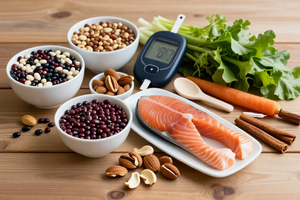
The average adult needs between 25 and 38 grams of fiber per day, yet most of us fall far short. While a fast-food meal shouldn't be your primary source of roughage, choosing one of these hidden gems can make a real dent in your daily goal. The key is to look beyond the burger and look for whole food components: beans, oats, vegetables, and intact grains.
What Exactly Makes a Fast-Food Item High in Fiber?
Fiber is the indigestible part of plant foods that passes through your digestive system, helping to regulate blood sugar, lower cholesterol, and keep things moving. When scanning a fast-food menu, you're looking for items that contain at least five grams of fiber per serving, which is about 20% of the daily value. That’s a solid contribution from a single menu item.
Some fast-food restaurants have quietly added higher-fiber options to their permanent menus. Others offer seasonal items or customizable bowls that can be loaded with vegetables, beans, and whole grains. The trick is to look past the shiny photos of burgers and fries and spot the salads, grain bowls, oatmeal, and bean-based dishes that are often already there.
Smart rule of thumb: If you can see whole ingredients like black beans, corn, quinoa, or oats listed first on the description, you're probably on the right track. If the item is mostly bread, cheese, and sauce, you're better off skipping it.
1. The Bean-Based Burrito Bowl
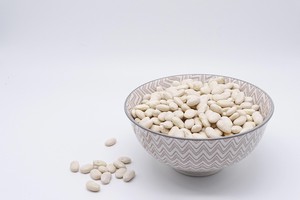
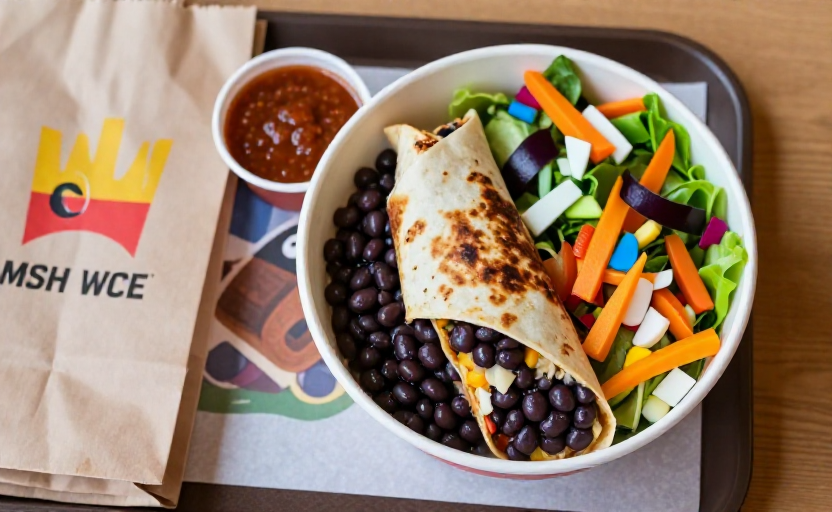
This is arguably the king of hidden fiber at fast-food chains. Chipotle and similar fast-casual spots offer burrito bowls that can easily pack 15 grams of fiber or more. The secret lies in the beans. A single serving of black beans or pinto beans provides roughly 6 to 8 grams of fiber on its own. Add brown rice (another 2 grams), a hefty serving of fajita vegetables, and possibly some fresh salsa, and you’ve got a meal that rivals a fiber supplement.
To maximize the fiber, skip the tortilla (which is usually refined white flour) and load up on the vegetable-based toppings. Guacamole also adds a modest amount of fiber and healthy fats. This is one of the few fast-food items that can genuinely be considered a high-fiber powerhouse.
2. The Unassuming Oatmeal
Breakfast is often a fiber desert at fast-food chains, but oatmeal is a quiet exception. Chains like McDonald’s, Starbucks, and Panera offer oatmeal bowls that contain around 4 to 5 grams of fiber before you add any toppings. The steel-cut or rolled oats themselves are the stars here, providing soluble fiber that helps manage cholesterol and keeps you feeling full for hours.The catch is what gets added. Many oatmeal bowls come packed with brown sugar, dried fruit, and nuts. The nuts are actually a plus for fiber, but watch out for excessive sugar. Order it plain and add your own toppings if possible, or choose a version with fresh fruit and a small handful of nuts for a balanced, high-fiber breakfast that doesn't spike your blood sugar.
3. The Loaded Side Salad (with a Twist)
A plain side salad usually isn't a fiber powerhouse—it's mostly iceberg lettuce and a couple of carrot shreds. But a loaded salad can be a different story. Look for chains that offer salads with multiple vegetables, beans, corn, or even quinoa. A Southwest-style salad with black beans, corn, peppers, and a creamy dressing can easily provide 6 to 8 grams of fiber.
The real trick is to make it a full meal by adding a grilled chicken breast or a scoop of chili. Some chains offer a chili or soup that is bean-based, which dramatically increases the fiber content. Combine a small chili with a side salad, and you’ve created a high-fiber lunch that costs under ten dollars and tastes surprisingly satisfying.
4. The Whole-Grain Wrap (Not a Tortilla)
More fast-food menu items are now available on whole-grain wraps or buns. While a standard white flour tortilla has essentially zero fiber, a whole-wheat wrap can contain 3 to 5 grams. Some chains, like Subway or Jimmy John’s, offer whole-wheat bread or wraps as a standard option.
The fiber doesn't stop at the wrap. Pile on as many vegetables as possible: spinach, tomatoes, onions, bell peppers, and jalapeños. A veggie-heavy wrap on whole-wheat can deliver 7 to 10 grams of fiber, especially if you add a bean-based spread like hummus (where available). This is one of the easiest swaps to make at a sandwich shop.
5. The Chili (The Stealth Fiber Bomb)
Chili is one of the oldest fast-food menu items that’s almost always a fiber win. Wendy’s small chili, for example, contains about 6 grams of fiber per serving. The beans, tomatoes, and onions provide a solid base of both soluble and insoluble fiber. It’s also relatively low in saturated fat compared to other menu staples.
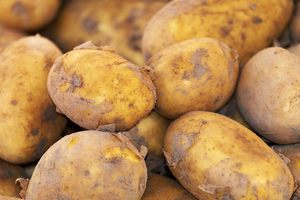
Chili is also incredibly versatile. You can order it as a side, or better yet, pour it over a baked potato (if available) for a double fiber hit. Many chains now offer a loaded baked potato as a side option, and a potato with skin contains about 4 grams of fiber. Combining the two is a genius move for anyone trying to up their intake without eating a salad.
6. The Veggie Burger (Read the Fine Print)
Not all veggie burgers are created equal, but many plant-based patties now contain impressive amounts of fiber. A black bean burger patty often delivers 5 to 8 grams of fiber, thanks to the beans, quinoa, or brown rice used in the recipe. Chains like Burger King (with their Impossible Whopper) and smaller regional chains offer these options.
The catch is the bun. A standard white bun adds virtually no fiber. Opt for a lettuce wrap or ask for a whole-grain bun if available. And skip the extra cheese and bacon, which add calories without any fiber benefits. With the right bun, a veggie burger can be one of the better fiber choices on any fast-food menu.
7. The Grain Bowl (The New Standard)
Many fast-casual chains now feature grain bowls as a permanent menu item. These bowls typically start with a base of brown rice, quinoa, or farro, then add vegetables, a protein, and a sauce. A well-constructed grain bowl can easily provide 10 to 15 grams of fiber. Sweetgreen, CAVA, and even some KFC locations have introduced bowls that fit this description.
When ordering, always ask for the whole grain base and double the vegetables if possible. Avoid creamy dressings (they add calories and fat without fiber) and opt for a vinaigrette or a simple squeeze of lemon. The combination of intact grains and roasted vegetables creates a meal that feels substantial and leaves you satisfied, not sluggish.
How to Build a High-Fiber Fast-Food Meal Every Time
If you're standing in line right now, here’s a simple mental checklist: look for beans, oats, whole grains, or vegetables listed near the beginning of the description. Avoid anything that’s mostly processed white flour or sugar. Most chains now publish their nutrition information online, so you can check the fiber content before you go.
Another pro tip: don't be afraid to customize. Ask for extra vegetables, choose a whole-grain wrap, swap fries for a side salad or chili, and skip the sugary drinks. A little bit of planning can turn a drive-thru visit into a meal that supports your health rather than derailing it.
The takeaway is simple: fiber doesn't require a special trip to a health food store. It's already hiding on the menu at the chain restaurants you might visit regularly. With a bit of awareness, you can find it, order it, and enjoy it without any guilt.