
Supporting your gut microbiome doesn’t always require a complete pantry overhaul. Sometimes, the simplest changes — swapping one ingredient for another — can make a real difference in how your digestive system functions. If you’re looking to increase your daily fiber intake without turning every meal into a chore, these seven high-fiber food swaps are a practical place to start.
Why fiber matters for your gut microbiome
Dietary fiber is the primary fuel for the trillions of bacteria living in your gut. When you eat enough fiber, beneficial microbes ferment it into short-chain fatty acids that support the intestinal lining, reduce inflammation, and help regulate appetite. Unfortunately, most adults fall short of the recommended 25–38 grams per day. Swapping low-fiber options for higher-fiber alternatives allows you to gradually increase your intake without feeling like you’re on a restrictive diet.
1. Swap white rice for quinoa or barley
White rice is a staple in many meals, but it provides less than one gram of fiber per cooked cup. Quinoa offers about 5 grams per cup, while pearled barley delivers roughly 6 grams. Both grains also contain prebiotic fibers that feed beneficial gut bacteria. Make the switch gradually — start with a half-and-half mix if you’re not used to high-fiber grains, and increase your water intake as you go.
2. Swap refined breakfast cereal for rolled oats
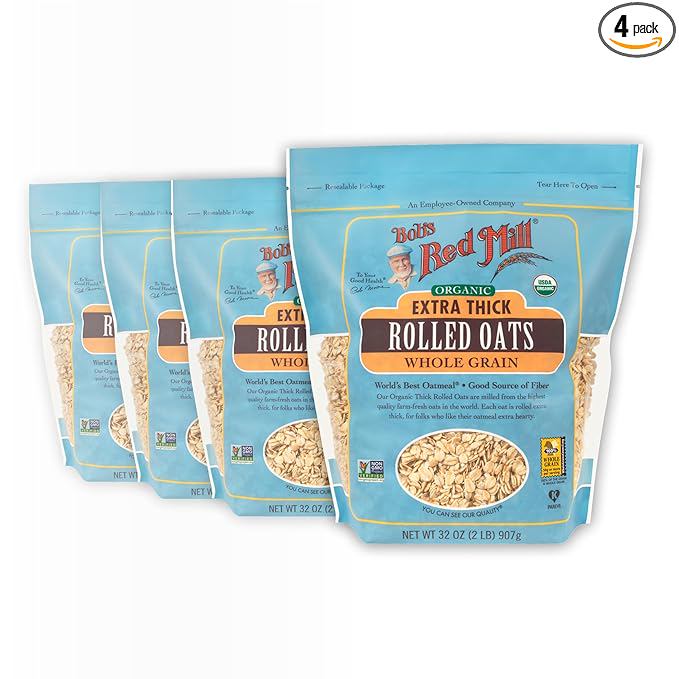
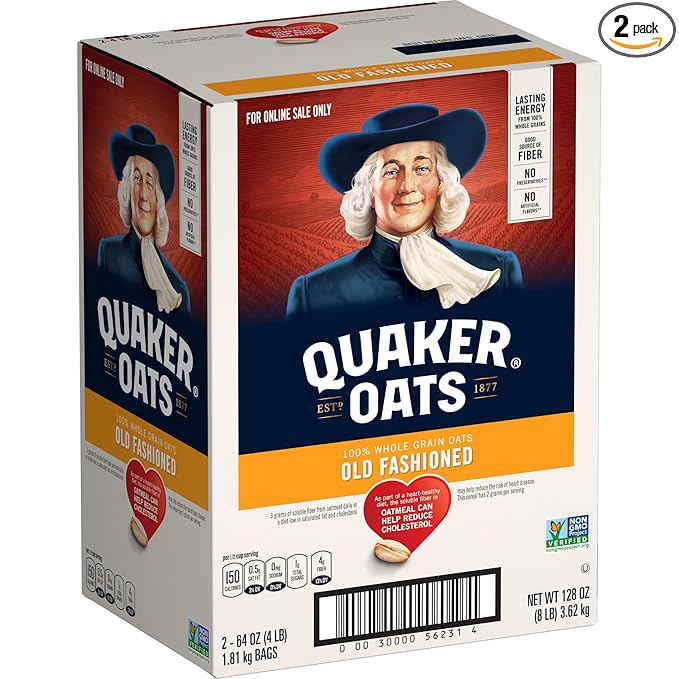
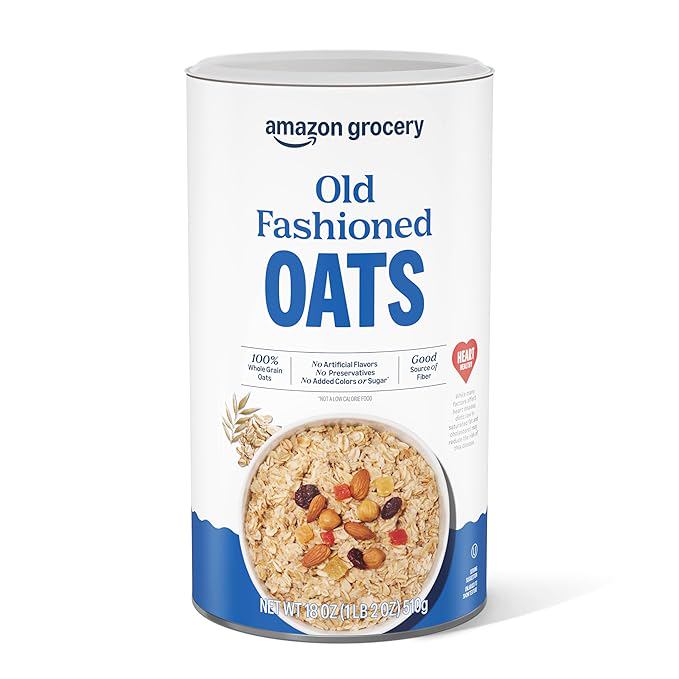
Many boxed cereals are low in fiber and high in added sugars. A bowl of unsweetened rolled oats, on the other hand, provides about 4 grams of fiber per cup (cooked), including beta-glucan, a soluble fiber shown to support healthy gut bacteria and blood sugar balance. Add berries or a tablespoon of chia seeds for an extra fiber boost.
3. Swap potato chips for air-popped popcorn
Potato chips are typically low in fiber and high in unhealthy fats. Air-popped popcorn, by contrast, contains about 3.5 grams of fiber per three-cup serving — and it counts as a whole grain. Go easy on butter and salt, and consider seasoning with nutritional yeast or a dash of smoked paprika for flavor without the drawbacks.
4. Swap fruit juice for whole fruit
Juice removes the pulp and skin where most of the fiber resides. A medium apple with skin contains about 4.5 grams of fiber; a glass of apple juice contains less than half a gram. Eating whole fruit also slows the release of natural sugars into your bloodstream, providing a steadier source of energy and better gut support.
5. Swap white bread for 100% whole-grain or sprouted bread
White bread is made from refined flour that has been stripped of most fiber. One slice of 100% whole-wheat bread offers around 2 grams of fiber; sprouted-grain breads can provide 3 grams or more per slice. Check the label — look for “100% whole grain” or “whole wheat” as the first ingredient, and aim for at least 2–3 grams of fiber per slice.
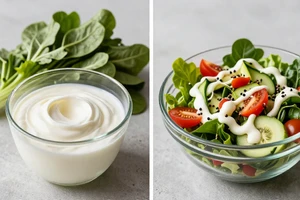
6. Swap sour cream or cream cheese for plain Greek yogurt
This swap isn’t just about fiber — it’s about feeding your microbiome on two fronts. Plain Greek yogurt offers a small amount of fiber (around 0.5 grams per serving) compared to sour cream’s near-zero, but more importantly, it contains live active cultures that add beneficial bacteria to your gut. For a bigger fiber payoff, top your yogurt with high-fiber fruit like raspberries (8 grams per cup) or sliced pear.
A quick note on gas and bloating: If you’re not used to high-fiber foods, introduce them slowly over a week or two. Drink plenty of water to help fiber move through your digestive system comfortably.
7. Swap conventional pasta for legume-based or whole-wheat pasta
Regular refined pasta provides roughly 2 grams of fiber per cooked cup. Chickpea pasta, lentil pasta, or whole-wheat pasta can deliver 8–12 grams per serving. These alternatives also contain resistant starch, a type of fermentable fiber that supports gut bacterial diversity. If you’re new to legume pasta, start by mixing it half-and-half with your usual pasta until your digestive system adapts.
Putting it together
You don’t need to make all seven swaps at once. Pick one or two that fit easily into your current eating pattern and practice them for a few days before adding another. Small, consistent changes are what ultimately shape a healthier gut microbiome — not a single perfect meal.