You’ve just finished a great home workout, feeling that satisfying burn. But a day or two later, that burn has transformed into a deep, stiff ache that makes walking downstairs a challenge. This delayed onset muscle soreness, or DOMS, is a common companion for anyone pushing their fitness, especially when trying new movements or increasing intensity.
While some soreness is a normal part of building strength, it doesn’t have to derail your routine. What you eat after exercising can play a significant role in how your body recovers. Instead of reaching for a random snack, consider these seven foods that provide the specific nutrients your muscles need to repair and bounce back faster.
How food supports muscle recovery
Post-workout soreness is largely the result of microscopic tears in your muscle fibers—a normal part of the strengthening process. Your body responds with inflammation to clean up and repair the damage. The right foods can support this repair phase by providing building blocks for new muscle protein, supplying antioxidants to manage inflammation, and replenishing lost energy stores.
Think of your post-exercise meal or snack as part of your training, not an afterthought. It’s the signal your body needs to shift from breakdown to rebuilding.
Foods to include after your workout
These options are practical, easy to keep on hand, and can be combined into simple, recovery-focused meals.
Fatty fish like salmon or sardines
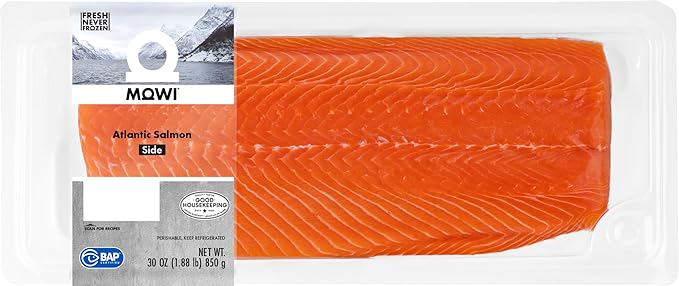
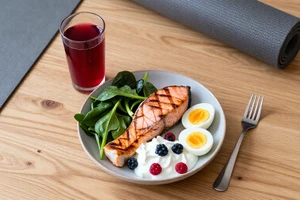
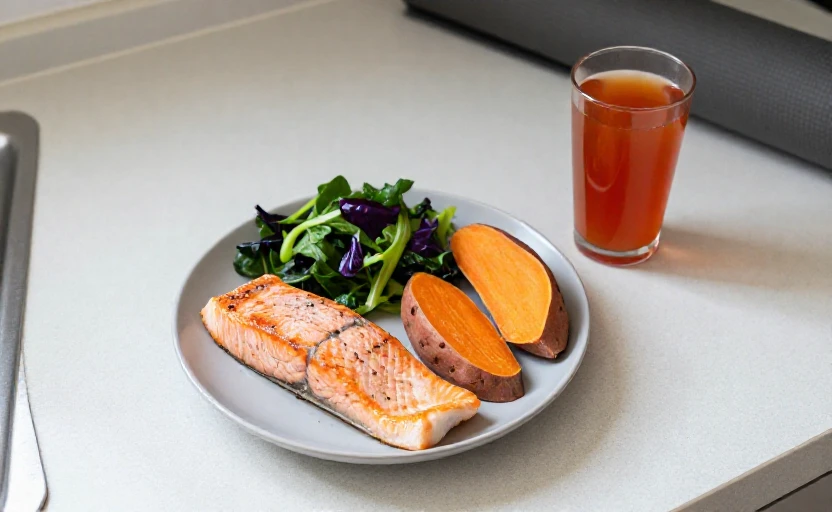
Fish such as salmon, mackerel, and sardines are rich in omega-3 fatty acids. These fats are known for their anti-inflammatory properties, which can help temper the inflammatory response that contributes to soreness. They also provide high-quality protein to kickstart muscle repair. A small can of sardines on whole-grain toast or a salmon fillet with a side of vegetables makes for a powerful recovery meal.
Tart cherries or tart cherry juice
This might be one of the most researched foods for exercise recovery. Tart cherries contain potent antioxidants and anti-inflammatory compounds called anthocyanins. Some studies suggest that drinking tart cherry juice before and after strenuous exercise can help reduce muscle strength loss and soreness. Opt for an unsweetened juice concentrate or frozen cherries to avoid added sugars.
For a quick option, try blending frozen tart cherries into a smoothie with yogurt and a handful of spinach.
Greek yogurt or cottage cheese
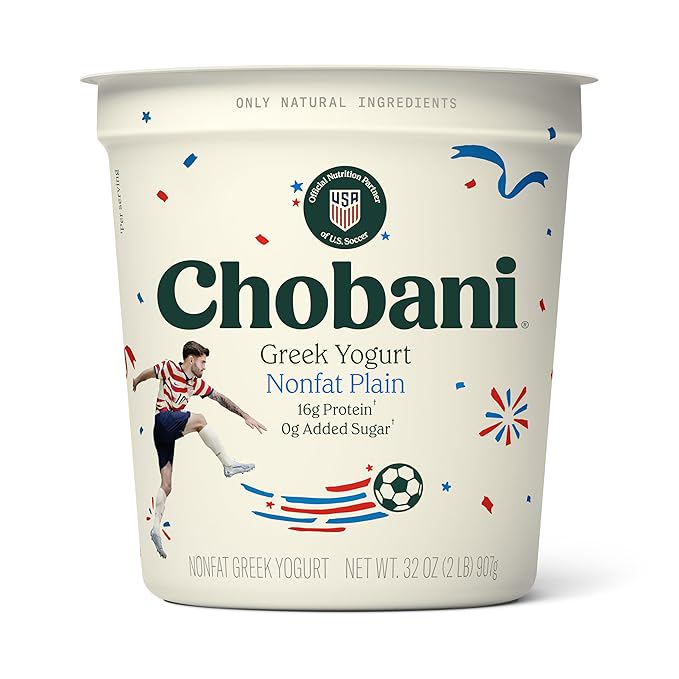
These dairy staples are recovery powerhouses because they deliver a double win: a hefty dose of protein (particularly casein, a slow-digesting protein ideal for sustained repair) and electrolytes like calcium and potassium. Potassium is crucial for muscle function and is lost through sweat. A bowl of Greek yogurt with berries and a sprinkle of nuts covers protein, antioxidants, and healthy fats.
Eggs
Eggs are a complete protein source, meaning they contain all nine essential amino acids your body can’t make on its own. One of these, leucine, is especially important for triggering muscle protein synthesis. Don’t just eat the whites—the yolk contains half the protein, plus anti-inflammatory nutrients like choline and vitamin D. Scramble a couple of eggs with some spinach for a quick, nutrient-dense bite.
Sweet potatoes
After a workout, your muscle glycogen (stored carbohydrates) needs refilling. Sweet potatoes provide complex carbohydrates to do just that, along with a wealth of nutrients. They’re high in vitamin C, another antioxidant, and potassium. Their natural sweetness also makes them a satisfying base for a post-workout bowl. Try a baked sweet potato topped with black beans and avocado.
Leafy green vegetables (spinach, kale)
It’s easy to focus solely on protein, but vegetables like spinach and kale bring critical supporting nutrients to the recovery process. They are loaded with magnesium, a mineral that supports muscle relaxation and nerve function, and vitamin K, which has anti-inflammatory roles. Tossing a large handful into a post-workout smoothie or sautéing them as a side is an easy way to boost your intake.
Nuts and seeds (walnuts, pumpkin seeds, chia seeds)
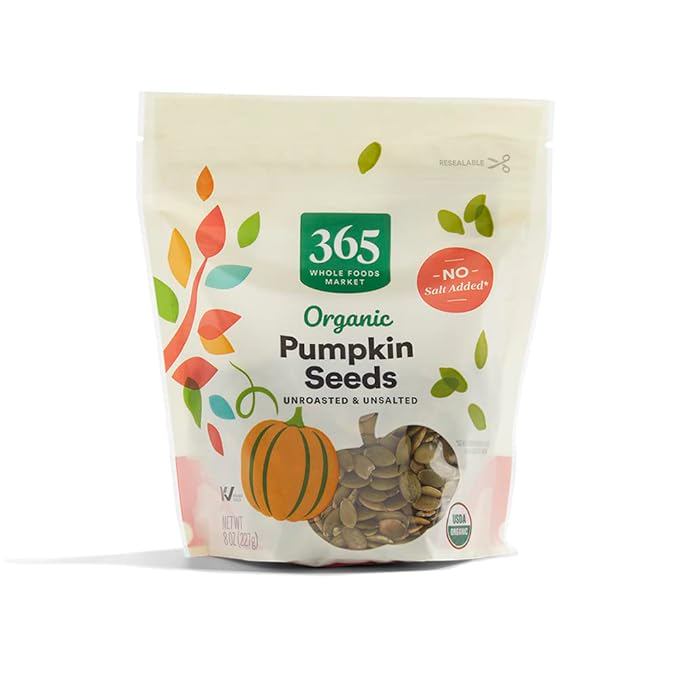
For a convenient, shelf-stable recovery aid, keep a mix of nuts and seeds on hand. Walnuts are another source of omega-3s (specifically ALA), while pumpkin seeds are exceptionally high in magnesium. Chia seeds offer protein, fiber, and minerals. A small handful as a snack or a tablespoon of seeds blended into a smoothie adds healthy fats and micronutrients that support the repair process.
Putting it together: Simple post-workout ideas
You don’t need a complicated recipe. The goal is to combine a source of protein with some carbohydrates and healthy fats. Here are a few combinations that use the foods above:
- A recovery smoothie: Blend Greek yogurt, a handful of frozen tart cherries, a big handful of spinach, a tablespoon of chia seeds, and water or milk.
- A savory bowl: Top a baked sweet potato with a fried egg, a side of sautéed kale, and a few pumpkin seeds.
- A quick plate: A can of sardines or salmon on whole-grain crackers, served with carrot sticks.
- A simple snack: Cottage cheese topped with walnuts and a drizzle of honey.
Listen to your hunger cues. A larger meal may be appropriate after a long or intense session, while a smaller snack might suffice after a moderate home workout.
A note on timing and hydration
While there’s a well-known “anabolic window,” for most home exercisers, the broader goal is to eat a balanced meal or snack within a couple of hours after your workout. Consistency matters more than perfect timing.
Don’t forget the most fundamental recovery tool: water. Dehydration can exacerbate muscle cramps and fatigue. Sip water throughout your workout and continue afterward. If your session was long or sweaty, foods like yogurt, sweet potatoes, and leafy greens will help replace lost electrolytes alongside your fluids.
Incorporating these foods can help you manage soreness, but persistent, sharp pain is different from muscular ache. Always pay attention to your body’s signals and adjust your activity accordingly. With the right nutritional support, you can feel better between sessions and stay consistent with your home fitness goals.