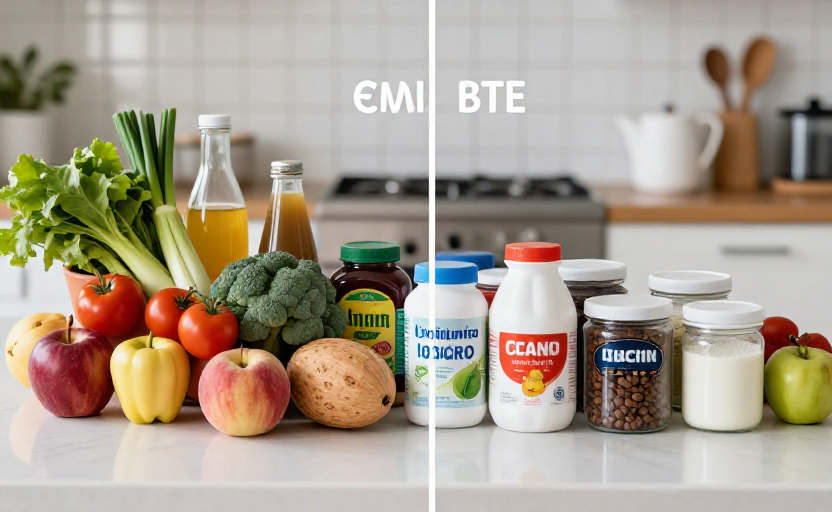
You might be surprised by how much sugar you’re eating without even realizing it. It’s not just the obvious spoonfuls in your coffee or the occasional dessert. Sugar has a way of slipping into everyday foods—your morning yogurt, your go-to pasta sauce, even that seemingly healthy granola bar. The good news is that with a few mindful swaps, you can significantly reduce your intake of these hidden sugars without feeling deprived.
These changes aren’t about strict elimination, but about smarter, more flavorful choices. By focusing on whole, less-processed alternatives, you can naturally lower your sugar consumption, support more stable energy levels, and discover new tastes you might enjoy even more.
Why should I worry about hidden sugars?
When we think of sugar, we often picture table sugar (sucrose). But added sugars come in many forms on ingredient lists: high-fructose corn syrup, cane juice, maltose, dextrose, and fruit juice concentrate, to name a few. The body processes these added sugars similarly, regardless of their source.
Consistently high intake is linked to energy crashes, increased cravings, and can contribute to broader health concerns over time. The goal isn’t to fear sugar, but to become aware of where it’s added unnecessarily, so you can make informed choices that align with your wellness.
Start by scanning ingredient lists. If a form of sugar is listed among the first three ingredients, that product is likely high in added sugars.
Seven simple swaps for everyday meals
Let’s move from awareness to action. Here are seven practical substitutions that target common sources of hidden sugars in a typical day.
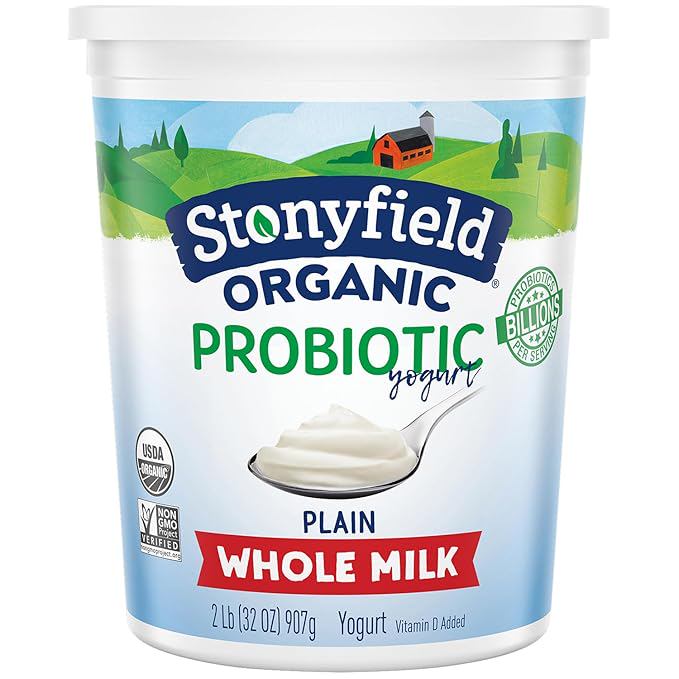
1. Swap flavored yogurt for plain, whole-milk yogurt
A single serving of some fruit-flavored or “fruit-on-the-bottom” yogurts can contain more sugar than a glazed doughnut. The swap is simple: choose plain yogurt, preferably whole milk for its satiating fats and creamier texture.
You control the sweetness. Stir in a handful of fresh berries, a drizzle of honey or pure maple syrup (you’ll use far less than a manufacturer would), or a sprinkle of cinnamon. Greek yogurt is an excellent option here, too, offering more protein to keep you full.
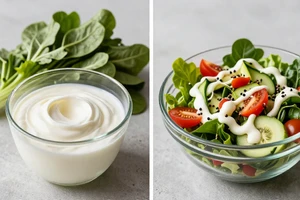
2. Swap store-bought salad dressing for a homemade vinaigrette
Bottled dressings, especially fat-free or “light” versions, often rely on added sugar and thickeners to compensate for flavor and texture. Making your own is surprisingly easy and takes just minutes.
Whisk together three parts extra-virgin olive oil with one part vinegar (like balsamic, red wine, or apple cider), a spoonful of mustard, and your favorite herbs. You get a fresher, more vibrant flavor without the hidden sweeteners.
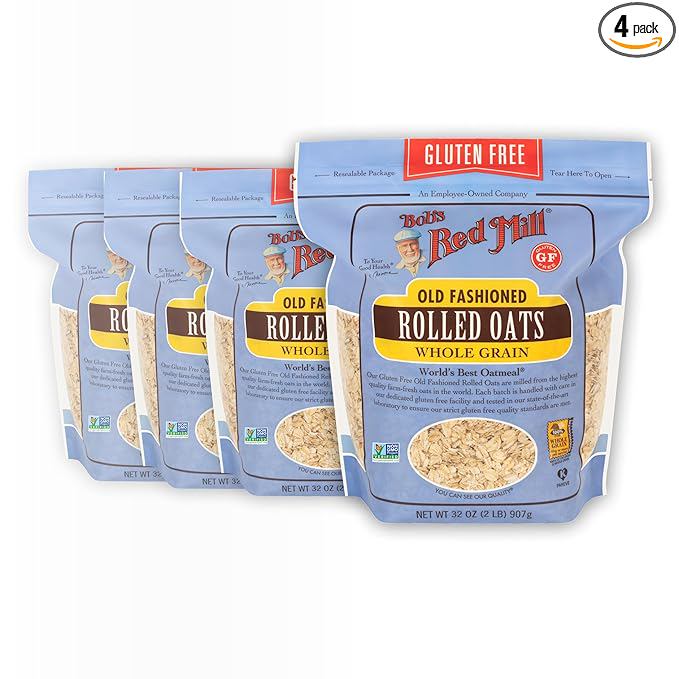
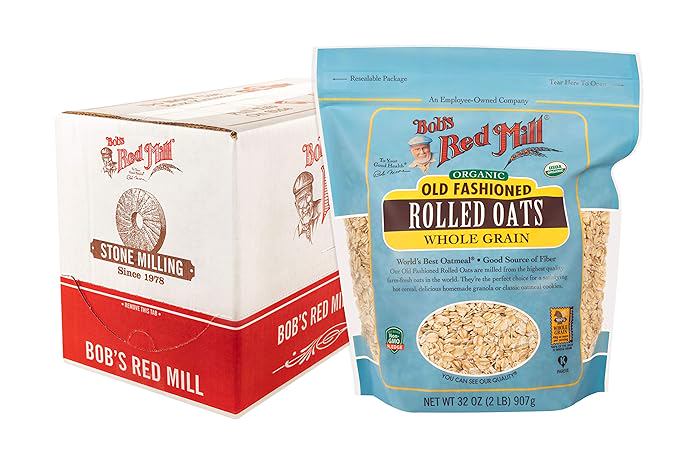
3. Swap sugary breakfast cereals for whole oats or unsweetened muesli
Many breakfast cereals, even those marketed as healthy or whole-grain, are loaded with added sugars. A bowl can easily push you toward your daily limit before you’ve left the house.
Old-fashioned rolled oats or steel-cut oats are fantastic blank canvases. Cook them and top with nuts, seeds, and fruit. For a quicker option, look for unsweetened muesli or a whole-grain cereal with less than 5 grams of added sugar per serving.
4. Swap commercial pasta sauce for a quick homemade marinara
Jarred pasta and pizza sauces are notorious for containing sugar to balance acidity and enhance shelf life. Creating a simple sauce at home gives you full control.
Sauté garlic in olive oil, add a can of crushed tomatoes, and simmer with dried basil and oregano. The natural sweetness of the tomatoes shines through, eliminating the need for added sugar. You can make a batch and freeze portions for later.
5. Swap sweetened nut butters for natural nut butters
Peanut butter and almond butter can be hidden sugar traps. “Honey roasted” or “original” varieties often contain added sugars and hydrogenated oils.
Look for jars where the only ingredients are nuts (and maybe a little salt). The oil separation at the top is normal—just stir it in. You’ll taste the pure, rich flavor of the nuts themselves.
6. Swap canned fruit in syrup for fruit packed in water or its own juice
When buying canned fruit, the liquid it’s packed in makes all the difference. “Light syrup” or “heavy syrup” means it’s bathed in sugar water.
Always opt for labels that say “packed in 100% fruit juice” or “in its own juices.” Even better, drain and rinse them under water to remove some of the natural fruit sugar from the juice. Fresh or frozen fruit, however, is usually the optimal choice.
7. Swap pre-made smoothies and juices for whole fruit or homemade blends
Bottled smoothies, fruit juices, and “juice drinks” concentrate the sugar from multiple pieces of fruit while removing the beneficial fiber that slows its absorption. This leads to a rapid spike in blood sugar.
Eat a whole piece of fruit instead. If you love smoothies, make your own: blend a handful of spinach, a cup of plain yogurt or milk, a half-banana for creaminess, and a small portion of berries. You get the fiber, control the ingredients, and avoid the added sugars.
Making the shifts sustainable
You don’t need to implement all these swaps at once. Start with one or two that seem most manageable for your routine. Your taste buds will adapt quicker than you think. As you reduce your intake of added sugars, you’ll likely find that you begin to crave the natural sweetness of fruits and the complex flavors of whole foods more intensely.
The aim is progress, not perfection. Being mindful of hidden sugars is a powerful step toward taking charge of your nutrition in a simple, sustainable way. It’s less about restriction and more about rediscovering the genuine taste of real food.