Switching to more plant-based meals doesn't mean you have to give up the hearty, satisfying texture of your favorite dishes. Whether you're trying to eat less meat for health reasons, environmental concerns, or just want to mix things up, the trick is finding the right protein swap. The good news is that many plant-based alternatives blend seamlessly into recipes you already love—no weird textures or bland flavors required.
Below are seven straightforward swaps that work in everything from weeknight stir-fries to weekend baking projects. Each one is chosen for its versatility, neutral taste profile, and solid protein content. No single swap works for every dish, but one of these should fit whatever you're cooking tonight.
1. Swap Ground Beef for Cooked Lentils
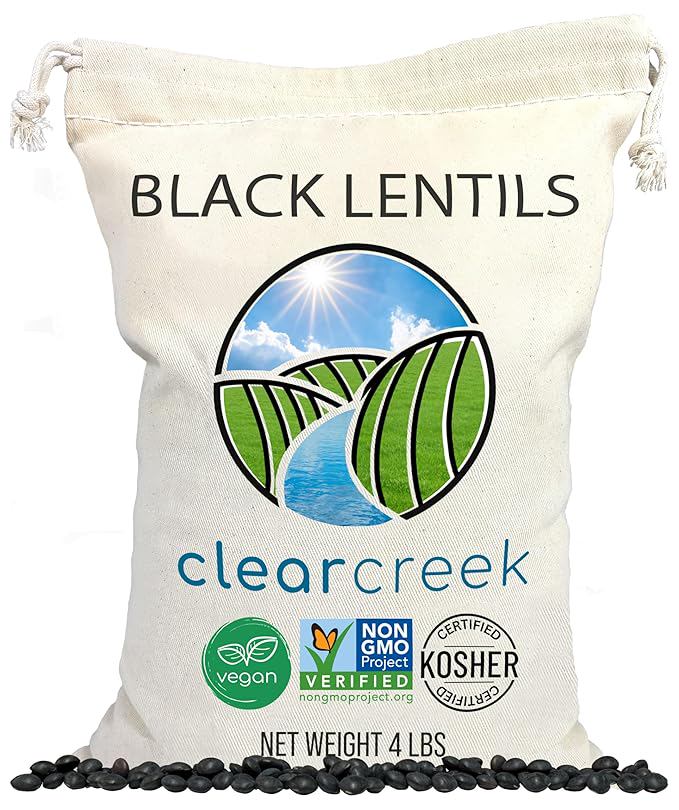
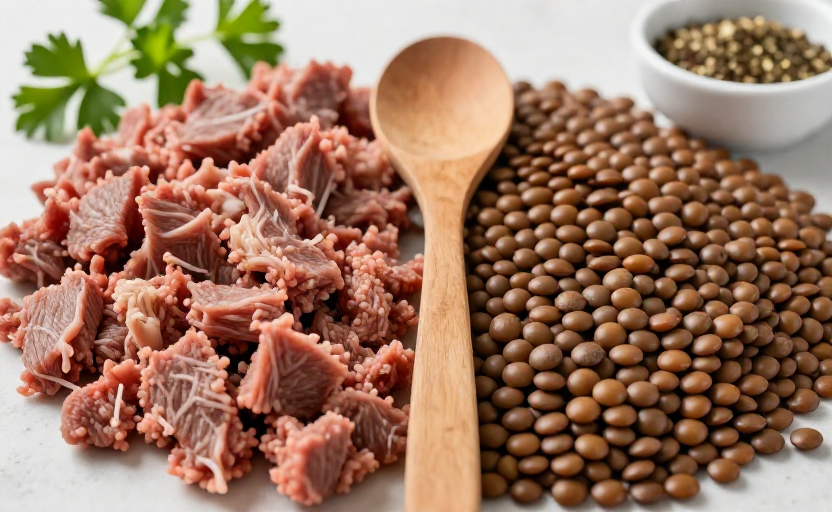
Brown or green lentils are the closest thing to ground meat in terms of texture. When cooked until tender but not mushy, they hold their shape and absorb whatever seasoning you throw at them. Use them in tacos, Bolognese sauce, shepherd's pie, or chili. A cup of cooked lentils packs about 18 grams of protein and a hefty dose of fiber. Just simmer them in vegetable broth with a bay leaf for extra depth.
2. Swap Chicken for Firm Tofu or Tempeh
For stir-fries, curries, and salads, extra-firm tofu or crumbled tempeh works beautifully. Press the tofu first to remove excess water, then cube it and pan-fry until golden. Tempeh has a nuttier flavor and firmer bite—perfect for crumbling into marinara or adding to grain bowls. Both take on marinades well. Aim for organic, non-GMO options if your budget allows.
3. Swap Eggs for Chickpea Flour in Baking and Scrambles
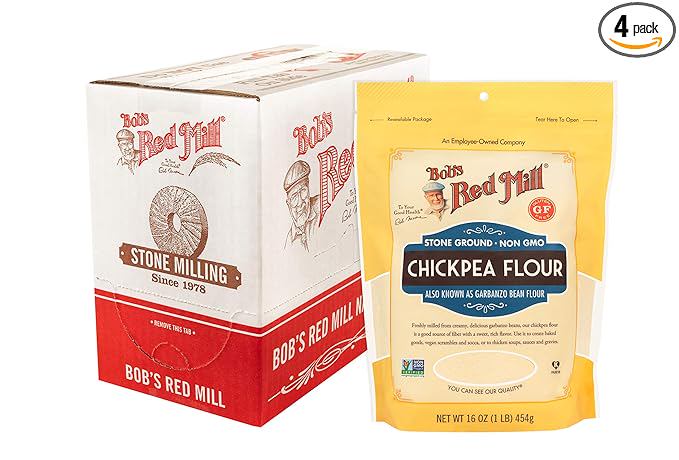
Chickpea flour (also called gram flour or besan) is a protein-rich alternative for binding and structure in baked goods. For one egg substitute, mix 3 tablespoons of chickpea flour with 3 tablespoons of water. It's also the base for a savory vegan omelet or scramble—just whisk with water, turmeric, and a pinch of kala namak (black salt) for an eggy flavor.
4. Swap Dairy Milk for Soy Milk in Creamy Dishes
Not all plant milks are created equal when it comes to protein. Soy milk stands out because it has roughly the same amount of protein as cow's milk—about 7 to 8 grams per cup. Use it in creamy sauces, soups, mashed potatoes, or overnight oats. Unsweetened, plain soy milk works best to keep the flavor neutral. Avoid flavored or sweetened varieties for savory recipes.
5. Swap Cheese for Nutritional Yeast in Sauces and Toppers
Nutritional yeast (often called "nooch") is a deactivated yeast with a cheesy, umami flavor. It's packed with B vitamins and is naturally low in fat. Sprinkle it over popcorn, pasta, or roasted vegetables, or stir it into cashew cream or white bean puree for a cheese-like sauce. Two tablespoons provide about 8 grams of protein. Store it in a cool, dark cabinet to preserve freshness.
6. Swap Deli Slices for Smoked or Marinated Tofu
Cold sandwiches and wraps don't need to suffer. Smoked tofu or marinated baked tofu slices have a firm, sliceable texture that mimics deli meat. Slice thinly and layer with mustard, greens, and avocado on whole-grain bread. Many brands offer pre-marinated options like teriyaki or Italian herb. Check the sodium content if that's a concern.
7. Swap Creamy Ingredients for Blended Silken Tofu
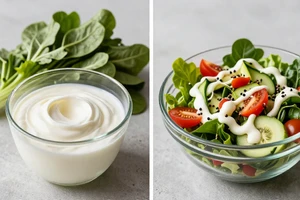
Silken tofu blends into a silky, neutral base for cream sauces, dressings, dips, and desserts. Replace heavy cream or cream cheese in recipes by pureeing silken tofu with a splash of lemon juice and salt. It works in smoothies too—add half a cup for a protein boost without changing the flavor. One serving gives you around 8 grams of protein.
A quick note: transitions take a little trial and error. Start with half-and-half swaps. If you're mixing lentils into ground beef for chili, use half of each—then adjust from there. Your palate will adapt faster than you think.