Dining out often means navigating a minefield of hidden processed ingredients, from refined oils and high-fructose sweeteners to preservatives and artificial flavors. But with a few intentional swaps, you can enjoy a restaurant meal without compromising your commitment to whole foods. Here are six practical, real-world exchanges that help you sidestep processed ingredients while still savoring the experience.
1. Swap Cream-Based Soups for Broth-Based or Pureed Vegetable Soups
Cream soups are typically thickened with refined flour, emulsifiers, and sometimes even modified food starch. Instead, ask your server about the soup of the day and choose a broth-based option (like minestrone or miso) or a pureed vegetable soup made from roasted squash, carrots, or cauliflower. These are naturally creamy without the additives and deliver more fiber and nutrients.
Quick tip: Most restaurants will happily substitute a side salad or steamed vegetables for the soup if a clean option isn't available.
2. Choose Grilled, Baked, or Steamed Proteins Instead of Fried
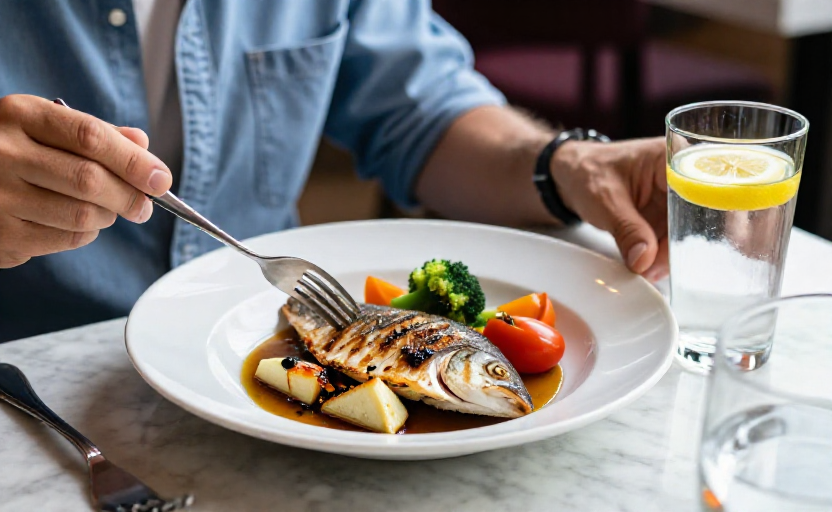
Fried foods are often battered with bleached flour, coated in breadcrumbs containing preservatives, and cooked in highly refined vegetable oils that are reused multiple times. Opt for grilled fish, baked chicken, or steamed tofu. These cooking methods require far fewer processed ingredients and let the natural flavor of the protein shine through.
- At a steakhouse: Request your steak or fish grilled with just salt, pepper, and olive oil—no butter-based basting or pre-made marinades.
- At an Asian restaurant: Steamed dumplings or fish with ginger and scallions is a clean choice compared to deep-fried spring rolls or tempura.
3. Request Oil and Vinegar Instead of Bottled Dressings
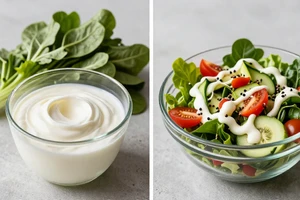
Restaurant salad dressings are among the most processed items on the menu. They often contain soybean oil, high-fructose corn syrup, xanthan gum, and artificial flavors. Ask for a simple side of extra-virgin olive oil and red wine vinegar or lemon wedges. You control the ratio, and the ingredients are exactly what they look like: whole fats and acids.
4. Swap White Rice or Pasta for a Double Order of Vegetables
Refined grains like white rice, pasta, and white bread are stripped of fiber and often enriched with synthetic vitamins to replace what's lost. Most restaurants will allow a substitution of steamed vegetables, a side salad, or sautéed greens. This single swap reduces your exposure to processed starches and adds more vitamins and antioxidants to your plate.
- At a Mediterranean spot: Ask for extra grilled zucchini, bell peppers, and eggplant instead of the rice pilaf.
- At a Mexican restaurant: Replace flour tortillas and rice with a lettuce wrap or extra black beans (if cooked fresh, not from a can with added sodium).
5. Choose Salsa, Guacamole, or Hummus Over Cheese-Based Sauces
Cheese sauces, cream dips, and queso are often made with processed American cheese, sodium citrate, and preservatives. Opt for fresh salsa, guacamole, or hummus as dips and toppings. These are built from whole vegetables and legumes and typically contain far fewer additives—just make sure to ask if the restaurant makes them in-house.
6. Ask for Fresh Fruit or a Sorbet for Dessert Instead of Packaged Sweets
Restaurant desserts like cakes, pies, and puddings almost always rely on hydrogenated oils, preservatives, and artificial colors. A simple fruit platter (seasonal berries or melon) or a fruit sorbet made with real fruit puree is a better bet. If the menu doesn't list one, ask—many kitchens can make a quick fruit salad or broiled grapefruit.
Making these swaps doesn't require a special diet or a list of banned ingredients—just a quiet confidence to ask your server for modifications. Most restaurants are happy to accommodate reasonable requests, and your body will thank you for choosing fewer processed additives. Next time you dine out, try just one or two of these swaps and see how you feel afterward.