Walk down any grocery aisle and you'll see the headlines: plant-based protein is incomplete, it's hard to digest, you can't build muscle on it. These ideas have stuck around for years, but most of them don't hold up to current nutrition science. Registered dietitians hear these concerns every day, and they're ready to set the record straight. Here are six persistent myths about plant protein—and the facts that put them to rest.
Myth 1: You Have to Eat Complementary Proteins at Every Meal
For decades, the advice was clear: combine rice with beans, hummus with pita, or peanut butter with whole-wheat bread at the same meal to get a "complete" protein. The idea was that plant foods lack one or more essential amino acids, so pairing them would fill the gaps. Dietitians now say this is outdated. Your body pools amino acids from everything you eat over the course of a day, not just one sitting. As long as your overall diet includes a variety of legumes, grains, nuts, seeds, and vegetables, your protein quality is fine. You don't need to micromanage pairings at every meal.
Myth 2: Plant Protein Can't Build Muscle Like Animal Protein
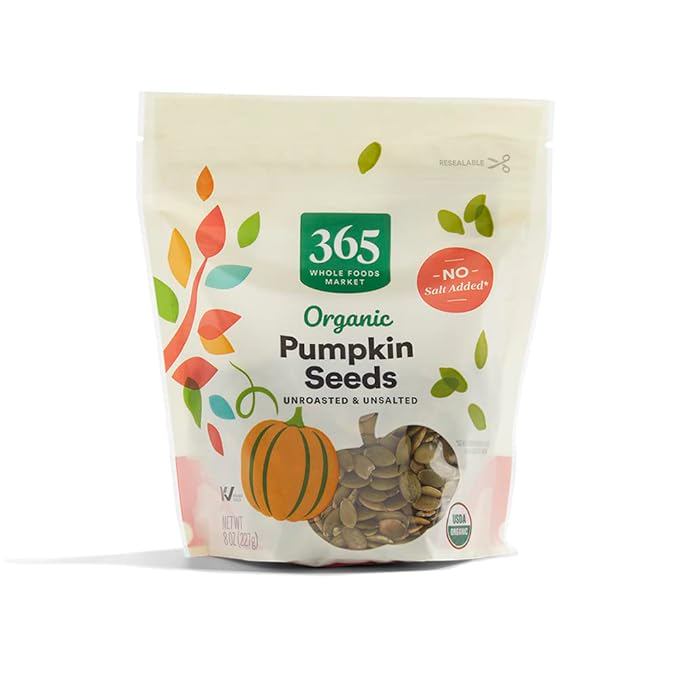
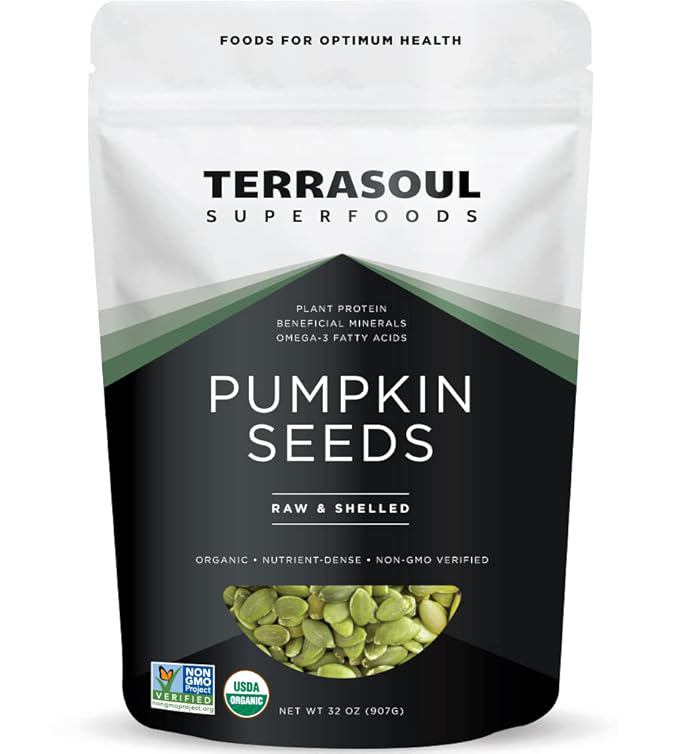
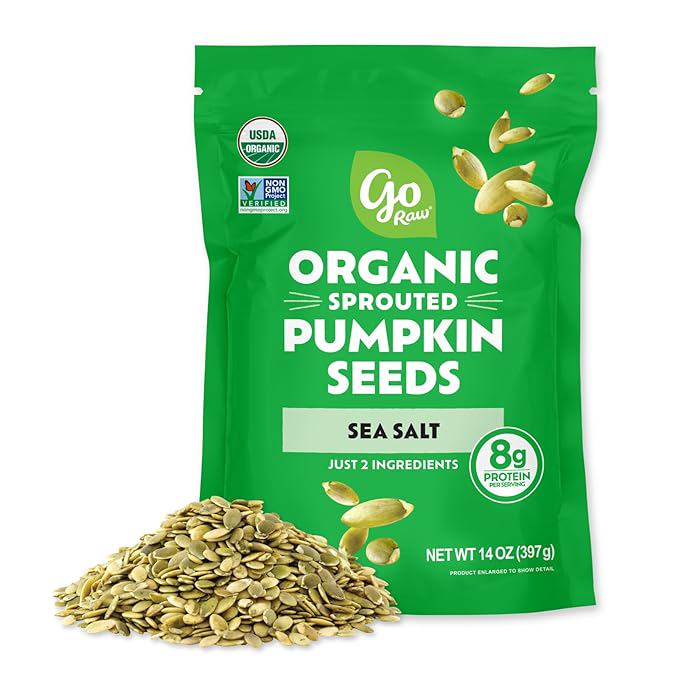
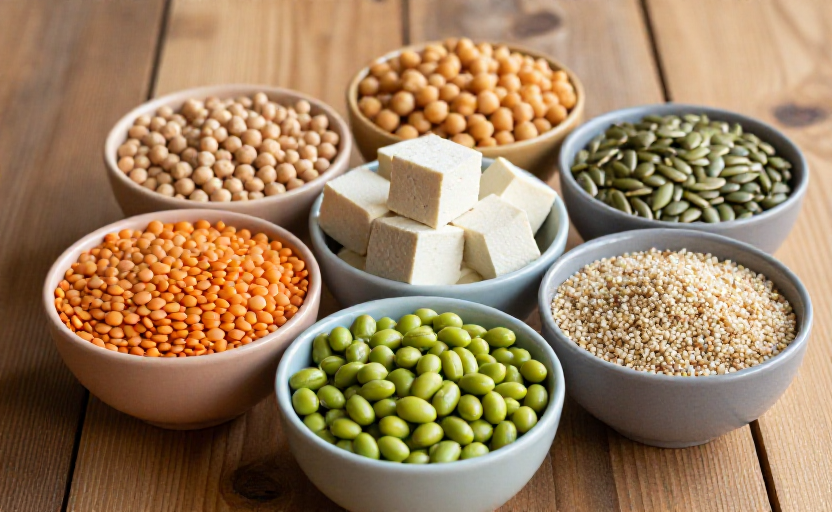
This myth has some roots in truth—animal proteins tend to have a higher leucine content, which is the amino acid that most directly triggers muscle protein synthesis. But it doesn't mean plants can't get the job done. Lentils, tofu, tempeh, edamame, and pumpkin seeds all contain respectable amounts of leucine. The key is total protein intake across the day. Many plant-based athletes meet or exceed their protein needs without any animal products. Dietitians point out that the real factor is total grams per kilogram of body weight, not the source. Soy protein, in particular, scores as high as whey on the digestibility scale and supports muscle growth just as effectively in controlled studies.
Myth 3: Soy Causes Hormone Problems
Perhaps no plant food has been more misunderstood than soy. The concern centers on isoflavones, which are plant compounds that can weakly mimic estrogen in the body. Early animal studies raised red flags, but human research tells a different story. Decades of clinical trials and large-scale observational studies have found that moderate soy consumption—one to three servings per day—does not disrupt thyroid function, raise estrogen levels in men, or increase breast cancer risk. In fact, soy intake is associated with lower rates of certain hormone-related cancers. Dietitians emphasize that whole soy foods like tofu, edamame, tempeh, and miso are different from highly processed soy isolates or supplements, but for most people, the whole forms are a safe and nutrient-dense part of a balanced diet.
Myth 4: Plant Protein Is Low in Iron and B12
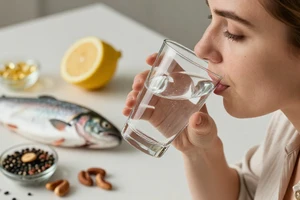
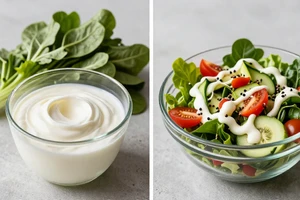
This myth mixes up two separate nutrients. Vitamin B12 is not naturally found in plant foods at meaningful levels, so anyone eating fully plant-based does need to get B12 from fortified foods or a supplement. That part is true. But iron is a different story. Lentils, chickpeas, spinach, pumpkin seeds, and black beans are rich in iron. The catch is that plant-based iron (non-heme iron) is less absorbable than the heme iron from meat. Dietitians say this is manageable: pairing iron-rich plants with vitamin C—like squeezing lemon on spinach salad or adding bell peppers to lentil soup—can boost absorption significantly. Cooking in a cast-iron pan also adds a measurable amount of iron to meals. So no, plant protein doesn't inherently lead to deficiency; it just requires a little strategy.
Myth 5: You Need Protein Powders to Get Enough
Protein supplements have exploded in popularity, and many people assume that if they go plant-based, they'll need a tub of pea or brown rice protein powder to meet their needs. Dietitians push back on this. A whole-food, plant-based diet can easily provide enough protein for nearly everyone who isn't a high-level competitive athlete with extreme protein goals. A cup of cooked lentils gives you about 18 grams of protein. A block of firm tofu offers around 40 grams. Chickpeas, quinoa, seitan, and hemp seeds all add up quickly. The average person needs roughly 0.8 to 1.0 grams per kilogram of body weight daily; hitting that with meals is straightforward without relying on powders. Protein supplements are a convenience tool, not a requirement.
Myth 6: Plant-Based Diets Are Automatically Healthier
This one has a grain of truth: eating more plants is associated with lower risks of heart disease, type 2 diabetes, and certain cancers. But not all plant-based foods are created equal. A plate of french fries, white bread, and sugary oat milk is technically plant-based, and it's not doing your health any favors. Dietitians stress that a well-planned plant-based diet centers on whole or minimally processed foods—vegetables, fruits, legumes, whole grains, nuts, and seeds. The health benefit comes from the overall dietary pattern, not just from excluding animal products. You can absolutely eat an unhealthy vegan diet, just as you can eat a healthy omnivorous one. The label alone isn't a guarantee.
Quick take: Plant-based protein myths often start from a kernel of truth but get stretched beyond what the evidence supports. Most people eating a varied whole-food diet with plants as the protein source have little to worry about.
The bottom line from dietitians is that plant protein is both adequate and versatile for the vast majority of people. Whether your interest is environmental, ethical, or health-related, you can meet your protein needs without animal products—and without the old rules you heard in the nineties. Keep your diet varied, include sources of iron and B12 thoughtfully, and don't believe every headline you scroll past.