When we think about managing food sensitivities or improving digestion, our minds often go straight to elimination diets, supplements, or probiotics. While those can play a role, there’s a fundamental, often overlooked factor that supports the entire digestive process: hydration. Water isn’t just a passive beverage; it’s an active participant in breaking down food, absorbing nutrients, and moving waste through your system smoothly. For anyone navigating bloating, discomfort, or reactions to certain foods, how and when you hydrate can make a noticeable difference.
Proper hydration helps dilute stomach acids and digestive enzymes just enough for them to work effectively, supports the mucosal lining of your intestines, and ensures steady motility to prevent constipation—a common culprit behind worsened sensitivity symptoms. It’s a simple, foundational practice that sets the stage for everything else to function better.
Why Hydration Matters for Your Gut
Every stage of digestion relies on water. It begins in your mouth, where saliva—mostly water—starts breaking down food. In your stomach, water helps create the fluid environment necessary for digestive juices to mix with your meal. As food moves into your small intestine, water is crucial for absorbing nutrients. Finally, in the colon, adequate hydration is what gives stool its bulk and softness, allowing for comfortable elimination.
When you’re even mildly dehydrated, this process can become sluggish. Digestion slows, which can lead to fermentation of food in the gut, increased gas, and bloating. For individuals with food sensitivities, this slowed transit can mean prolonged exposure to irritating food particles, potentially heightening discomfort. Think of hydration as the river that carries the boat; without enough flow, everything gets stuck.
Six Practical Hydration Strategies
Drinking more water sounds straightforward, but strategic hydration involves timing, temperature, and what you mix with your water. These tips are designed to support your digestive system specifically, helping to manage sensitivity symptoms more effectively.
Start Your Day with Warm Water
Before you reach for coffee or breakfast, try drinking a glass of warm or room-temperature water. This gentle practice can help wake up your digestive system, stimulating peristalsis—the wave-like muscle contractions that move food through your tract. For some, cold water first thing can shock the system, causing muscles to tense. Warm water is often more soothing and can prepare your gut for the day ahead. Adding a squeeze of lemon may offer additional digestive benefits, but plain warm water is a perfect, simple start.
Hydrate Between Meals, Not During
It might seem helpful to drink a big glass of water with your meal, but this can dilute your stomach acid and digestive enzymes, making it harder to break down food properly. Instead, focus on drinking most of your fluids in the 30 minutes before or at least an hour after eating. This ensures you’re well-hydrated for the digestive process without interfering with it. If you need a sip with a meal, that’s fine, but keep it small. This simple shift can reduce post-meal bloating and improve nutrient absorption.
Think of your stomach as a blender. Adding too much liquid to a full blender dilutes the mixture and makes it less effective. Hydrating between meals keeps the “blend” just right.
Incorporate Electrolytes Naturally
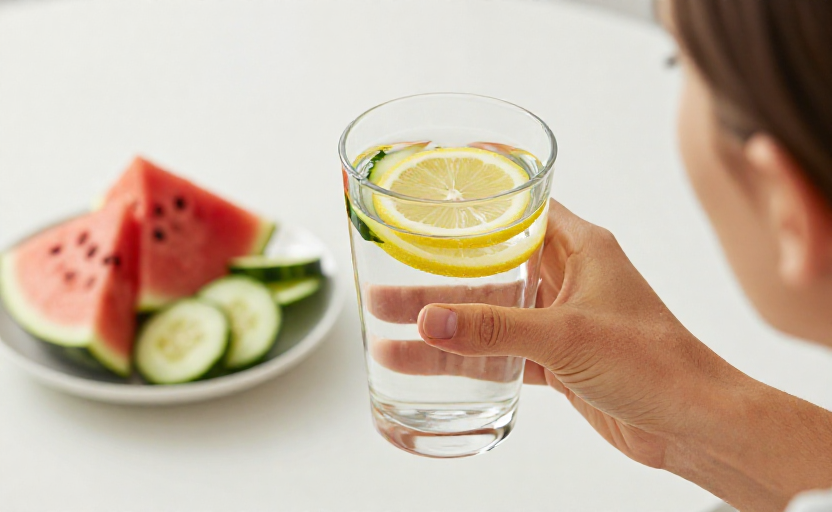
Water alone isn’t always enough for optimal hydration. Electrolytes like sodium, potassium, and magnesium help your cells actually retain and use the water you drink. If you’re dealing with digestive issues or food sensitivities, you might be losing more electrolytes than you realize. Instead of reaching for sugary sports drinks, add natural sources to your water. A pinch of high-quality sea salt, a slice of cucumber, or a piece of watermelon can provide these minerals. Coconut water is another excellent, gentle option rich in potassium.
Listen to Your Body’s Thirst Cues (and Then Some)
By the time you feel thirsty, you’re already mildly dehydrated. For digestive health, it’s better to stay ahead of thirst. A good visual cue is the color of your urine; aim for a pale straw color. Dark yellow often indicates a need for more fluids. Keep a water bottle nearby as a visual reminder. If plain water is unappealing, try herbal teas like ginger or peppermint, which are also known for their soothing digestive properties.
Use Hydrating Foods to Your Advantage
About 20% of our fluid intake typically comes from food. Choosing foods with high water content can be a gentle, effective way to boost hydration, especially if drinking large amounts of water feels difficult. Cucumber, celery, zucchini, strawberries, and melons are over 90% water. These foods also provide fiber, which works in concert with water to promote healthy digestion and regularity. Including a side salad or a piece of fruit is a dual-action strategy for your gut.
Monitor Hydration Around Trigger Foods
If you know you have a sensitivity to certain foods—like dairy, gluten, or high-FODMAP items—pay extra attention to your hydration when you consume them. Drinking adequate water before and after can help support the digestion and passage of these foods, potentially mitigating some reactive symptoms. It won’t eliminate a true allergy or intolerance, but it can support your system in processing the meal more comfortably.
Creating a Supportive Routine
Hydration for digestion isn’t about forcing gallons of water. It’s about consistent, mindful habits. Start with one tip, like the morning warm water, and observe how you feel. Notice any changes in bloating, energy, or comfort. The goal is to support your body’s natural processes, creating an internal environment where digestion can happen with ease, giving you one more tool to manage food sensitivities with greater confidence.