You crushed your home workout—maybe a challenging bodyweight circuit, a set of dumbbell intervals, or a sweat-soaked yoga flow. Now what? The moves you just did broke down muscle tissue and drained your energy stores. How you refuel in the next hour can shape how quickly you recover and how strong you feel tomorrow.
Dietitians agree that the ideal post-workout meal or snack contains two things: protein to repair muscle fibers, and carbohydrates to replenish glycogen. Fat can slow digestion right after exercise, so keep it light. Below are six dietitian-approved foods to eat after a home workout, chosen for their convenience, nutrient density, and science-backed recovery benefits.
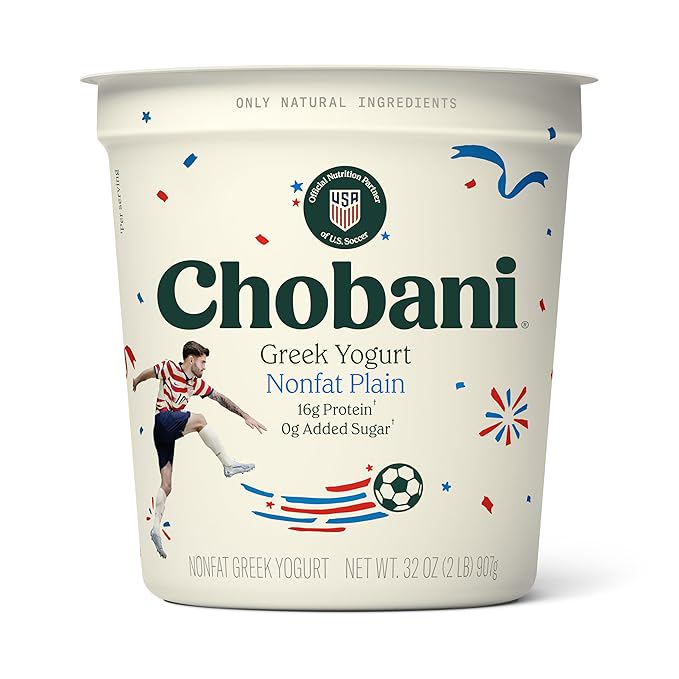
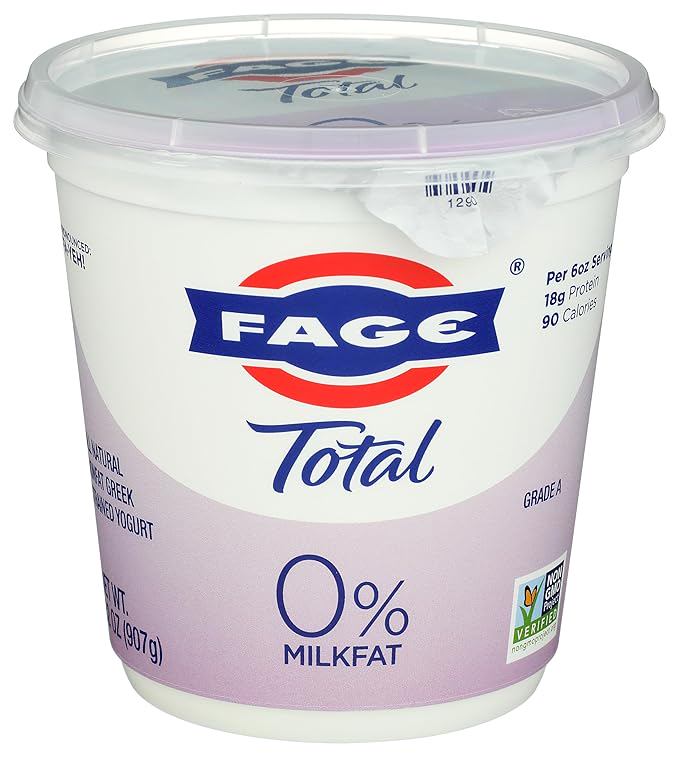
1. Greek Yogurt with Berries
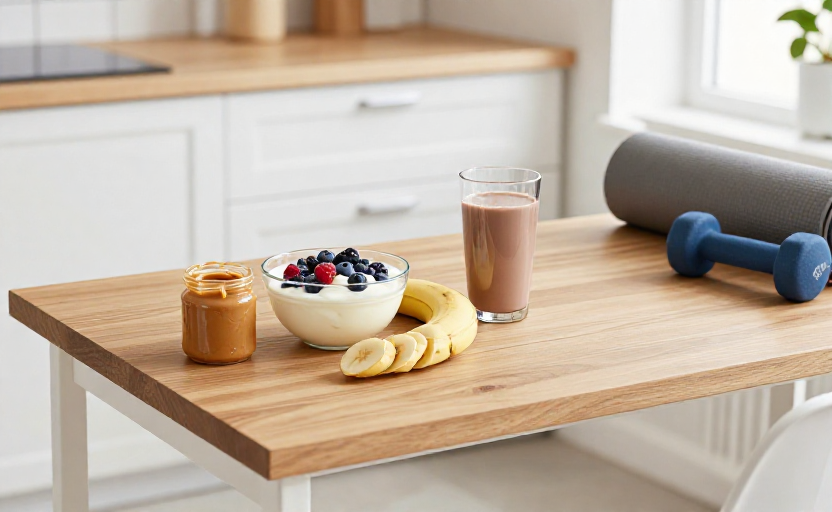
Plain Greek yogurt delivers about 15–20 grams of protein per cup, plus a good dose of casein—a slow-digesting protein that provides a steady stream of amino acids to muscles. Berries add natural sugars for quick glycogen refill and antioxidants that help dial down exercise-induced inflammation.
Quick tip: Skip the flavored yogurts loaded with added sugar. Stir in a handful of frozen blueberries or sliced strawberries for sweetness and a recovery boost.
2. A Banana with Peanut Butter
Bananas are one of the most portable sources of fast-acting carbohydrates, and they’re rich in potassium—an electrolyte you lose through sweat. Pairing a banana with a tablespoon of peanut butter adds a modest amount of protein and healthy fats. Research shows this combination can help reduce muscle soreness and improve strength recovery compared to a carb-only snack.
If you tolerate peanuts well, opt for a natural peanut butter with no added sugar or hydrogenated oils. Almond or cashew butter works just as well.
3. Cottage Cheese with Pineapple
Cottage cheese is a standout for its high casein protein content, which supports overnight muscle repair. A half-cup serving provides about 14 grams of protein with minimal fat. Pineapple brings carbs and the digestive enzyme bromelain, which some studies suggest may help reduce post-exercise inflammation and muscle tenderness.
This pairing is especially useful if you work out later in the day, since the slow-digesting casein keeps amino acids flowing to your muscles while you sleep.
4. Eggs on Whole-Grain Toast
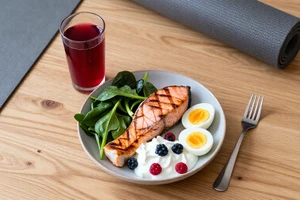
Two eggs supply about 12 grams of high-quality protein and all nine essential amino acids your body can’t make on its own. Whole-grain toast adds complex carbohydrates for sustained energy replenishment. The combination is classic for a reason—it’s quick to prepare, satiating, and backed by decades of sports nutrition research.
For variety, top the toast with mashed avocado instead of butter. You get healthy fats, fiber, and a creamy texture that complements the eggs.
5. Chocolate Milk
Plain cow’s milk naturally contains a 3-to-1 carbohydrate-to-protein ratio, which is nearly ideal for post-workout recovery. Chocolate milk adds a bit of sugar from cocoa (and sometimes a little extra table sugar), making it more effective than plain milk for rapidly replenishing glycogen. A 2022 review of sports nutrition studies concluded that chocolate milk is as good as, or better than, many commercial recovery drinks for endurance and strength activities.
Choose a low-sugar or reduced-fat version if you prefer, but the full-fat, standard option works fine for most people—just keep the portion to one cup (8 ounces).
6. Salmon or Canned Tuna with Sweet Potato
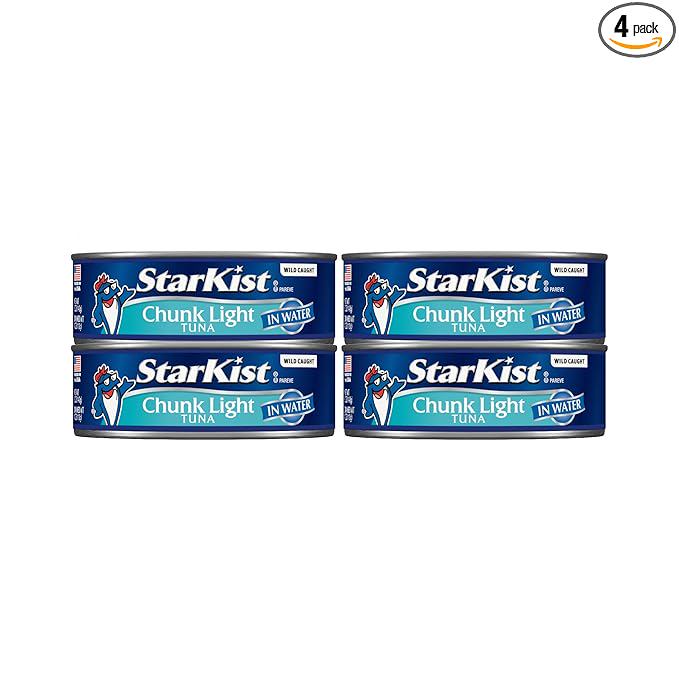
Fatty fish like salmon and tuna are the richest natural sources of omega-3 fatty acids, which help reduce the muscle soreness that peaks 24 to 48 hours after a hard workout (a phenomenon known as delayed-onset muscle soreness). Pair the fish with a baked sweet potato for a generous dose of carbs, vitamin A, and potassium.
Shortcut: Keep a few cans of water-packed tuna in your pantry and microwave a sweet potato for 5–6 minutes. Top with a drizzle of olive oil, salt, and pepper for a no-fuss post-workout meal.
Timing Matters—But Not as Much as You Think
The “30-minute anabolic window” is more flexible than popular fitness lore suggests. While it’s ideal to eat within two hours of your workout, recent research shows that total daily protein and carbohydrate intake matters more than exact timing. If you had a balanced meal a few hours before exercising, you have a little more leeway. If you worked out fasted, try to eat within 60 minutes.
What About Hydration?
Recovery isn’t just about food. Water is the unsung hero of muscle repair. Drink 16–24 ounces of water for every pound of body weight you lost during exercise. If you sweat heavily or exercised in a warm environment, consider a beverage with electrolytes (sodium and potassium), such as coconut water or a pinch of salt in your drinking water.
You don’t need exotic supplements or expensive powders to recover well from home workouts. The six foods above are whole, affordable, and backed by nutrition science. Keep a few of them on hand, listen to your body’s hunger signals, and you’ll set yourself up for stronger, more consistent training sessions.