
When you're building strength through training that demands flexibility—think yoga, dynamic weightlifting, or functional movement—your joints take center stage. They need to move freely under load, which means the tissues around them (cartilage, synovial fluid, tendons, and ligaments) require specific nutritional support. While no single food cures stiffness, a strategic diet can help keep joints lubricated, reduce minor inflammation, and support the connective tissue that makes flexible strength possible.
Here are six research-backed foods to add to your training nutrition plan, each with a different role in joint health.
Why Joint Mobility Matters for Flexible Strength
Flexible strength training—like loaded squats with deep range of motion, overhead pressing with thoracic extension, or yoga transitions with added resistance—puts stress on joints in multiple planes. The goal isn't just muscle growth; it's maintaining stability and control through end ranges. To do that, you need synovial fluid that moves easily, cartilage that can absorb force, and tendons that remain pliable. Diet plays a supporting role in all of these, especially by providing substrates for collagen synthesis and compounds that modulate inflammatory pathways.
1. Fatty Fish for Synovial Fluid and Inflammation Control
Fatty fish like salmon, mackerel, sardines, and anchovies are the top whole-food source of long-chain omega-3 fatty acids (EPA and DHA). These polyunsaturated fats are used by your body to produce resolvins and protectins—molecules that actively resolve inflammation rather than just blocking it. For joint health, that's crucial because chronic low-grade inflammation can degrade the synovial membrane and thin the lubricating fluid inside the joint capsule.
Aim for two 3- to 4-ounce servings per week as part of an otherwise balanced diet. Canned sardines or salmon are convenient for lunches, while wild-caught salmon fillets work well post-training dinners. Pair with colorful vegetables to add antioxidants that further support joint tissue.
2. Citrus Fruits for Collagen Stabilization
Vitamin C is a cofactor for the enzymes that cross-link collagen fibers, giving them tensile strength. In joints, collagen forms the scaffolding of cartilage, tendons, and ligaments. Without adequate vitamin C, collagen synthesis slows down, and existing collagen becomes more susceptible to damage under mechanical stress. Citrus fruits (oranges, grapefruits, lemons, limes) are the most concentrated sources, but kiwi, bell peppers, and strawberries also work well.
Try a post-workout smoothie with orange segments, frozen mango, and a handful of spinach. Or squeeze fresh lemon into your water bottle during training—staying hydrated while sipping vitamin C supports both joint lubrication and collagen maintenance.
3. Bone Broth for Glycine and Gelatin
Bone broth is rich in glycine, an amino acid that's a major component of collagen, and gelatin, which is essentially cooked collagen. While the body makes its own collagen, providing additional glycine and proline from broth may help offset the breakdown that happens during intense training. Glycine also has anti-inflammatory properties and plays a role in sleep quality, which is when joint repair occurs.
Use bone broth as a base for soups, stews, or simple sipping after workouts. Look for a brand with minimal sodium that uses animal bones (chicken, beef, or fish). Simmering at home with apple cider vinegar extracts more gelatin from the bones, yielding a thicker consistency.
4. Leafy Greens for Magnesium and Vitamin K
Dark leafy greens like spinach, kale, Swiss chard, and collard greens provide two joint-friendly nutrients: magnesium and vitamin K. Magnesium relaxes muscles and supports the neuromuscular coordination needed for flexible strength movements, which reduces uneven loading on joints. Vitamin K1, found in greens, is converted to K2 in the body and helps direct calcium into bone (and away from soft tissues where it can cause stiffness).
Additionally, these greens contain lutein and beta-carotene—antioxidants that may protect chondrocytes (cartilage cells) from oxidative stress. Add a handful to your protein smoothie, fold them into post-workout scrambled eggs, or use them as a base for a salad topped with fatty fish.
5. Nuts and Seeds for Zinc and Healthy Fats
Brazil nuts are the richest dietary source of selenium, which supports the antioxidant enzyme glutathione peroxidase—important for protecting joint tissues from oxidative damage. Walnuts provide alpha-linolenic acid (ALA), a plant-based omega-3 that assists in managing inflammatory markers. Flaxseeds, chia seeds, and pumpkin seeds offer zinc, a mineral needed for tissue repair and collagen synthesis.
A small handful (about 1 ounce) of mixed nuts and seeds makes for a convenient pre- or post-training snack. Soak chia seeds in coconut milk for a pudding that withholds joint-friendly fats and fiber. Be mindful of portion sizes if you're watching calorie intake; a quarter-cup of almonds or walnuts is generally enough.
6. Turmeric for Joint Comfort and Recovery
The root-based spice turmeric contains curcumin, a compound that inhibits NF-κB and other inflammatory mediators. In the context of flexible strength training, curcumin may help reduce delayed-onset muscle soreness (DOMS) and joint tenderness after deep-range movements. Because curcumin is poorly absorbed on its own, pair it with black pepper (which contains piperine) and a source of fat (olive oil, coconut oil, or avocado) to boost bioavailability.
Add turmeric powder to post-workout curries, roasted vegetables, or even a warm golden milk drink with black pepper and a dash of cinnamon. For a more concentrated effect, talk with your healthcare provider about standardized turmeric extracts, but the whole-food version works well as part of an anti-inflammatory eating pattern.
Putting It Together: Training-Day Meal Examples
Here's how you might combine these foods across a day of flexible strength training:
- Breakfast: Scrambled eggs with spinach and a side of orange slices.
- Pre-training snack: Handful of walnuts and an apple.
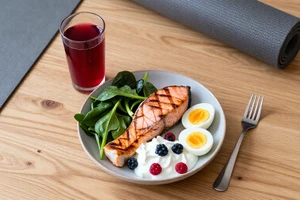
- Post-training meal: Grilled salmon over a kale salad with pumpkin seeds, lemon vinaigrette, and a turmeric-roasted sweet potato.
- Evening: A cup of chicken bone broth with a pinch of black pepper.
Remember, joint mobility isn't just about what you eat—proper warm-ups, staying hydrated, managing stress, and getting enough quality sleep are equally important. Use these foods as part of a comprehensive approach to moving well under load.