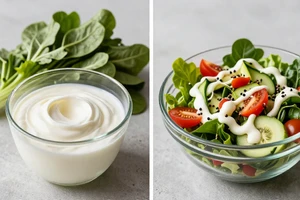
Vitamin D is essential for bone health, immune function, and overall well-being, but the body can only absorb it efficiently when paired with certain nutrients. The key player? Dietary fat. While many people cut fat when trying to eat healthier, doing so can actually block the absorption of fat-soluble vitamins, including vitamin D. The good news is that you don't need large amounts—just a small, strategic pairing can make a meaningful difference.
Here are six foods that, when eaten together or soon after vitamin D-rich sources, can significantly improve how well your body absorbs this vital nutrient.
1. Avocados
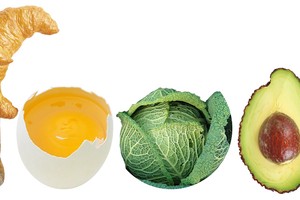
Avocados are packed with monounsaturated fats, which support heart health and help your body absorb vitamin D. Adding half an avocado to a breakfast scramble or lunch salad that includes eggs or fatty fish can boost the bioavailability of the vitamin D in that meal. Research shows that a moderate serving of avocado (about half a fruit) provides enough fat to enhance absorption without overloading calories.
2. Nuts (Almonds, Walnuts, and Cashews)
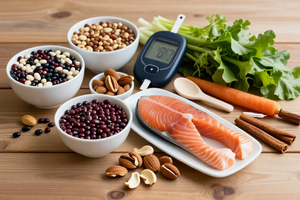
Nuts deliver healthy polyunsaturated and monounsaturated fats in a compact, no-prep package. Almonds, walnuts, and cashews each offer a unique fatty acid profile. Walnuts, in particular, are rich in omega-3s, which may work synergistically with vitamin D to support inflammation response. A small handful of nuts eaten with a vitamin D-rich meal—or as a snack shortly after—helps shuttle the nutrient into your bloodstream.
3. Olive Oil
A drizzle of extra-virgin olive oil over roasted vegetables or a grain bowl can turn a low-fat meal into an absorption-friendly one. Olive oil is largely monounsaturated fat, and studies have shown that adding it to a vitamin D supplement or meal can increase absorption by as much as 20–30%. Use it in salad dressings or as a finishing oil on warm dishes to preserve the beneficial compounds.
4. Fatty Fish (Salmon, Mackerel, and Sardines)
Fatty fish are a double win: they naturally contain vitamin D, and their own intrinsic fats help you absorb that vitamin D better. The omega-3 fatty acids in salmon, mackerel, and sardines create an ideal digestive environment for fat-soluble nutrients. Eating fatty fish as part of a balanced meal—perhaps drizzled with olive oil and served with a side of leafy greens—maximizes the vitamin D uptake from the fish itself and from any other D-fortified foods on the plate.
5. Eggs (Especially the Yolks)
Egg yolks contain small amounts of vitamin D along with enough natural fat to aid absorption. When you pair eggs with another source of fat—like cheese, avocado, or a little butter—the effect compounds. A two-egg omelet cooked in olive oil or served with a half-avocado offers a fast, versatile way to boost absorption, particularly for people who avoid fish or dairy.
6. Full-Fat Yogurt or Cheese
Dairy products with full fat content provide saturated fat—but in moderate amounts, that fat is still useful for vitamin D absorption and overall nutrition. Full-fat yogurt and cheese also contain vitamin D and calcium, forming a trifecta that supports skeletal health. Pair a yogurt bowl with a handful of nuts or a cheese plate with a few olive oil–marinated vegetables for an absorption-friendly snack.
A quick note on fats and portion control: While fat is essential for vitamin D absorption, it's also calorie-dense. Stick to one serving per meal—a tablespoon of olive oil, half an avocado, or a quarter-cup of nuts—to get the benefit without excess calories. The goal is to combine, not overdo.