Your gut is more than just a digestive tract; it's a thriving ecosystem. Within it, trillions of bacteria, known collectively as the gut microbiome, play a crucial role in everything from nutrient absorption and immune function to mood and metabolism. The key to a healthy gut isn't about eliminating bacteria—it's about feeding the right ones. The beneficial microbes in your gut need specific types of food to flourish, and science has identified several powerful dietary allies that do just that.
These foods don't just pass through; they provide nourishment that helps your good bacteria multiply and produce beneficial compounds like short-chain fatty acids, which are vital for gut lining health. By regularly including these foods in your diet, you're essentially tending to the garden within, encouraging a diverse and resilient microbiome that supports your overall well-being.
What are prebiotics and why do they matter?
Think of your good gut bacteria as a friendly population that needs to eat. Prebiotics are their preferred food source. These are specific types of dietary fiber and compounds that your own body can't digest. Instead, they travel to your colon where they are fermented by your beneficial bacteria. This fermentation process is what fuels the growth and activity of these helpful microbes.
Feeding your good bacteria with prebiotics is a direct investment in your gut health.
Without adequate prebiotics, beneficial bacteria can struggle to thrive, potentially allowing less helpful microbes to dominate. The goal is to consume a variety of prebiotic-rich foods to support a diverse bacterial community, as different fibers feed different strains.
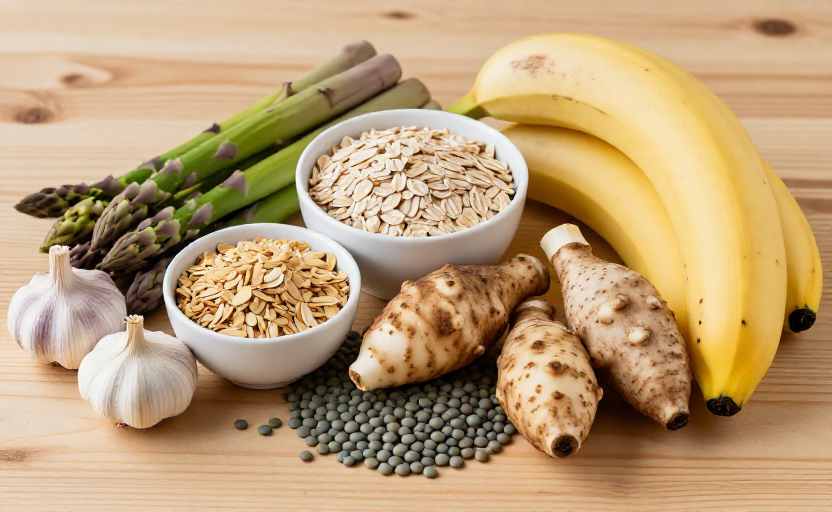
Six foods that fuel a healthy gut
Incorporating these foods into your weekly meals can provide a steady supply of fuel for your microbiome.
1. Garlic and onions
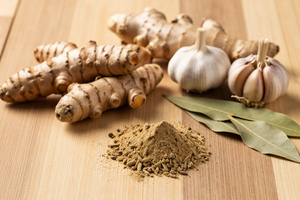
These kitchen staples are more than just flavor enhancers. Garlic and onions are rich in a type of prebiotic fiber called inulin and fructooligosaccharides (FOS). Research suggests these compounds selectively stimulate the growth of Bifidobacteria, a genus of bacteria associated with gut health and immune support. Adding raw or lightly cooked garlic and onions to salads, dressings, soups, and stir-fries is an easy way to boost your prebiotic intake.
2. Asparagus
This spring vegetable is a potent source of inulin. Just a half-cup serving provides a meaningful dose of this gut-friendly fiber. Inulin from asparagus has been shown to increase the population of Bifidobacteria and Lactobacilli. Try it roasted with a drizzle of olive oil, chopped into omelets, or blended into soups.
3. Oats and barley
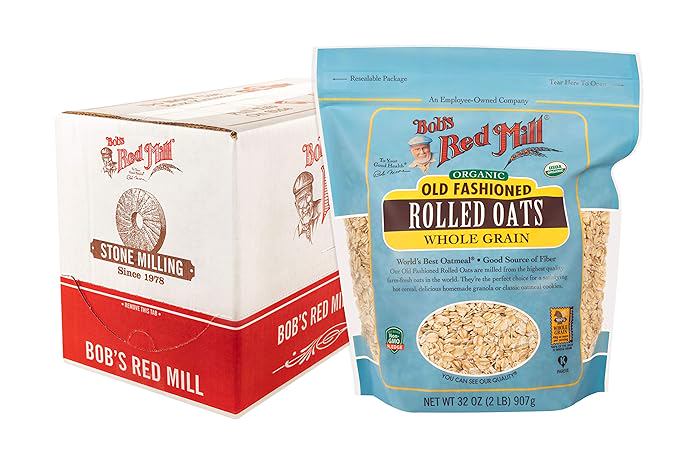
Whole grains like oats and barley contain a prebiotic fiber called beta-glucan. Studies indicate that beta-glucan not only helps nourish good bacteria but also contributes to the production of butyrate, a short-chain fatty acid that is a primary energy source for the cells lining your colon, helping to maintain a strong gut barrier. A bowl of oatmeal or a side of barley salad are excellent delivery systems.
4. Bananas (especially slightly green ones)
While all bananas offer nutrients, slightly underripe bananas are particularly rich in resistant starch, a type of carbohydrate that resists digestion in the small intestine and acts as a prebiotic in the colon. As bananas ripen, this resistant starch converts to simple sugars. Including a firmer banana in a smoothie or as a snack can provide a good prebiotic boost.
5. Jerusalem artichokes (sunchokes)
Don't let the name confuse you—this tuber isn't related to globe artichokes. Jerusalem artichokes are one of the richest natural sources of inulin. Their high prebiotic content is well-documented for its ability to significantly increase beneficial gut bacteria. They have a sweet, nutty flavor and can be roasted, sautéed, or thinly sliced raw into salads.
6. Legumes: lentils, chickpeas, and beans
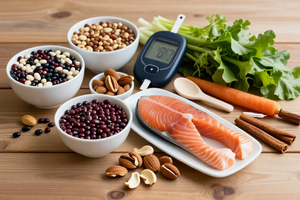
Lentils, chickpeas, black beans, and kidney beans are powerhouses of prebiotic fibers, including galactooligosaccharides (GOS). Regularly consuming legumes is linked to increased levels of beneficial Bifidobacteria and improved gut barrier function. Their versatility makes them easy to add to diets—think lentil soup, hummus, bean salads, or chili.
How to incorporate these foods thoughtfully
Introducing more prebiotic fibers is wonderful for your gut, but it's best to start gradually. A sudden, large increase can cause gas and bloating as your microbiome adjusts. Begin by adding one serving of these foods every day or two, and drink plenty of water to help with the fermentation process.
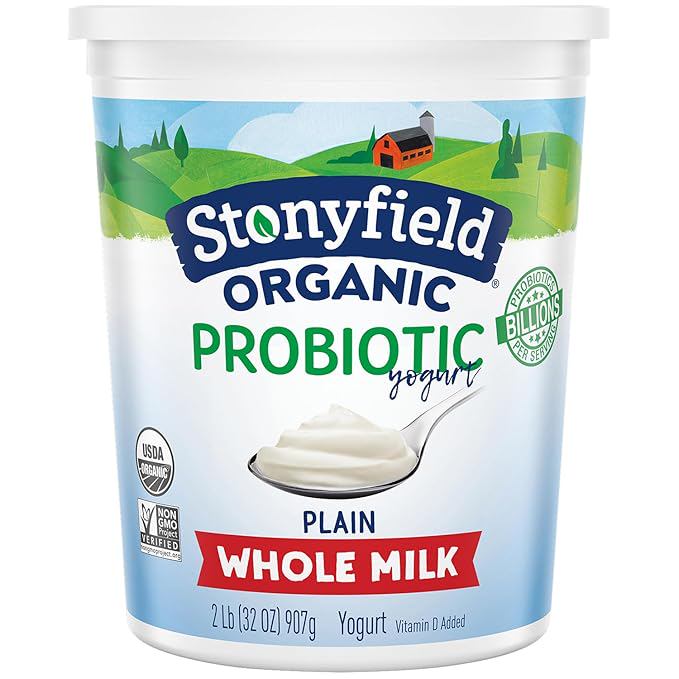
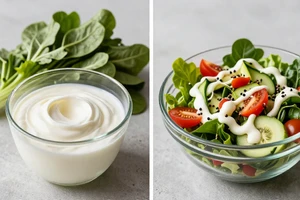
Pairing prebiotic foods with probiotic foods (like yogurt, kefir, kimchi, and sauerkraut, which contain live beneficial bacteria) can create a synergistic effect, often called a synbiotic combination. This approach provides both the beneficial microbes and the food they need to thrive.
Remember, diversity is key. Just as you wouldn't want a garden with only one type of plant, a healthy gut microbiome benefits from a variety of fiber sources. Rotate through these six foods and other fiber-rich fruits, vegetables, and whole grains to nourish the full spectrum of your gut's bacterial community.