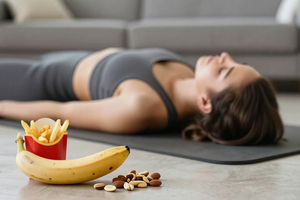

After a gentle prenatal yoga session, tight hamstrings can feel like a persistent tug—especially as your body adapts to the shifts in posture and weight distribution that come with pregnancy. While stretching and rest are essential, what you put into your body also plays a supporting role in how your muscles recover. These six drinks focus on hydration, electrolytes, and anti-inflammatory compounds that may help ease that deep, pulling sensation in the back of your legs.
Why tightness lingers after prenatal yoga
During pregnancy, your body releases relaxin, a hormone that loosens ligaments in preparation for birth. This can make muscles, particularly the hamstrings, work harder to stabilize your pelvis and lower back. When you add the stretching and lengthening of a prenatal yoga class, your muscles can become fatigued and feel tight, not necessarily injured. The goal of recovery drinks here isn't to cure a condition—it's to support your body's natural repair by replenishing what was lost and calming inflammation.
1. Tart cherry juice
Tart cherry juice is rich in anthocyanins, compounds that give the fruit its deep red color and act as antioxidants. Research on athletes suggests that tart cherry juice can reduce muscle soreness and speed recovery after strenuous exercise. For prenatal bodies, this translates to a gentle, non-caffeinated option that doesn't spike blood sugar sharply. Look for a pure, unsweetened version, and keep portions to about 4 to 6 ounces to avoid excess sugar. You can dilute it with still or sparkling water if the flavor feels too intense.
2. Coconut water with a pinch of sea salt
Coconut water is a natural source of electrolytes—potassium, magnesium, and sodium—in a form that's easy on the stomach. After yoga, you lose small amounts of these minerals through sweat. Hamstrings, like all muscles, need a balanced electrolyte environment to contract and relax properly. A pinch of sea salt adds a bit more sodium, which can be especially helpful if you find yourself sweating more in later pregnancy. Sip this slowly rather than gulping, and choose a brand with no added sugar or artificial flavors.
3. Ginger-lemon warm water
Ginger has long been used for its anti-inflammatory properties, and warm lemon water supports gentle digestion and hydration. While not a muscle-specific treatment, the combination can help calm systemic inflammation that may contribute to a feeling of tightness. To make it, steep a few thin slices of fresh ginger in hot water for five minutes, then squeeze in a quarter of a lemon. Let it cool to a comfortable drinking temperature—very hot liquids can be irritating, especially if you're experiencing heartburn. This drink is best in the evening, after your practice, as a soothing ritual.
4. Watermelon and mint hydrator
Watermelon is over 90% water and contains citrulline, an amino acid that may improve circulation and reduce muscle soreness. When blended with fresh mint, you get a refreshing drink that feels like a treat. The key is keeping it simple: blend a cup of cubed watermelon with a small handful of mint leaves and a squeeze of lime. Avoid straining out the pulp—the fiber helps slow sugar absorption. This isn't a magic bullet for hamstring tightness, but it's a far better alternative to sugary sports drinks, and the hydration boost supports overall muscle function.
5. Chamomile tea with magnesium glycinate (as advised by your provider)
Chamomile tea is known for its mild calming effect, which can help relax the nervous system after exercise. A calm nervous system often translates to less muscle tension. Some people add a magnesium glycinate supplement to this drink, as magnesium is involved in muscle relaxation. However, always check with your prenatal care provider before adding any supplement, especially during pregnancy. If you get the green light, stir the powder into a warm cup of chamomile tea. The warm liquid also helps improve circulation to tight areas like the hamstrings.
6. Bone broth (low sodium)
Bone broth provides collagen, glycine, and several minerals that may support connective tissue health. For prenatal women, maintaining the integrity of tendons and ligaments is important, as relaxin makes them more pliable but also more prone to strain. A warm cup of low-sodium bone broth after yoga supplies protein in an easy-to-digest form. It's not a direct muscle relaxant, but it supports the structural environment around your hamstrings. Look for a brand made from organic chicken or beef bones, and avoid any with added MSG or high levels of sodium.
Tips for integrating these drinks
None of these drinks should replace water as your primary source of hydration. Think of them as targeted adjuncts. The best time to drink them is within 30 minutes of finishing your yoga session, when your body is receptive to replenishment. If you have gestational diabetes or are monitoring your sugar intake, choose options without added sweeteners—especially for the fruit-based drinks.
Hamstring tightness that becomes sharp, persistent, or accompanied by swelling warrants a conversation with your healthcare provider or a physical therapist. These drinks are meant to support comfort, not treat an injury. Listen to your body, and prioritize gentle movement, stretching, and rest as your primary recovery tools.
Hydration and gentle anti-inflammatory foods work best when paired with consistent, mindful stretching—no single drink can replace the value of listening to your body's limits.