Getting enough vitamins and minerals from food is only half the battle. Your body has to actually extract and use those nutrients, and that process depends on more than just what’s on your plate. Small daily habits can make a surprising difference in how well you absorb iron, calcium, fat-soluble vitamins, and other essential compounds. Here are six science-backed practices to help your body get the most out of every meal.
1. Pair vitamin C with plant-based iron
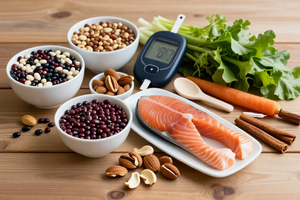
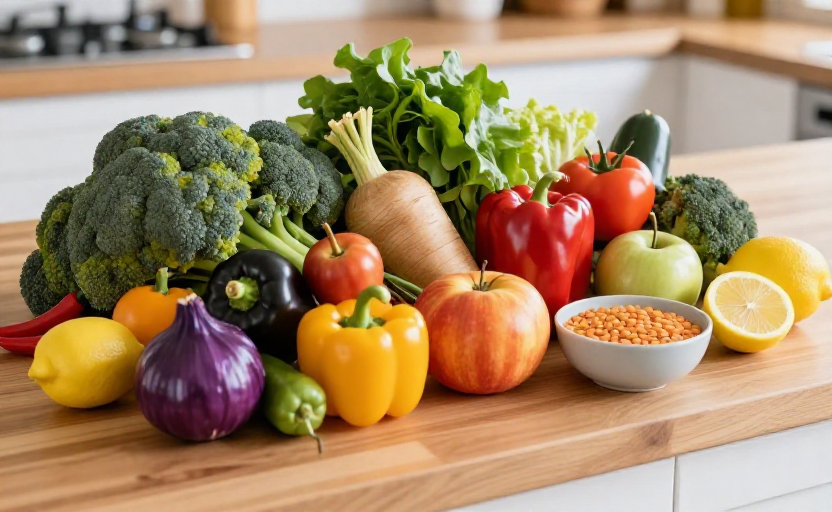
Iron from plant sources (like spinach, lentils, and beans) is a different form—non-heme iron—than the iron found in meat. It’s harder for the body to absorb. But vitamin C changes that. Adding a squeeze of lemon to your lentil soup, tossing bell peppers into a bean salad, or drinking a small glass of orange juice with a spinach omelet can increase non-heme iron absorption by up to six times. The chemical reaction keeps the iron in a form your gut can readily take up.
2. Include healthy fat with vegetables
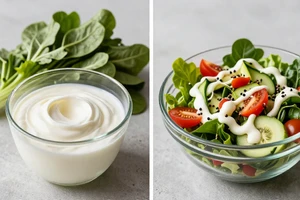
Many essential nutrients are fat-soluble: vitamins A, D, E, and K. That means they need dietary fat to be absorbed properly. Eating a plain salad with fat-free dressing may leave you with barely any absorbed carotenoids. One study found that adding avocado or a drizzle of olive oil to a salad boosted absorption of key phytonutrients significantly. A little fat—about a tablespoon of oil, a handful of nuts, or half an avocado—is enough to do the job.
3. Soak, sprout, or ferment grains and legumes
Grains, nuts, seeds, and legumes contain natural compounds called phytates and oxalates. These “antinutrients” can bind to minerals like zinc, magnesium, calcium, and iron, making them less available to your body. Traditional preparation methods evolved for a reason. Soaking oats overnight, sprouting lentils, or fermenting sourdough reduces phytate levels substantially. The same goes for cooking leafy greens that are high in oxalates, like spinach and Swiss chard—a quick steam or sauté can lower their oxalate content by 30 to 80 percent, freeing up more calcium and iron for absorption.
4. Avoid pairing coffee or tea with iron-rich meals
Tannins in tea and coffee can reduce the absorption of non-heme iron by as much as 60 percent when consumed with a meal. The same is true for calcium supplements or high-calcium dairy products. Timing matters: enjoying your morning coffee an hour before or two hours after an iron-containing breakfast minimizes interference. If you’re prone to low iron levels, reserving that cup of tea for between meals is a simple but effective shift.
5. Support your gut microbiome
A healthy gut is the gateway to nutrient absorption. The trillions of bacteria living in your large intestine help break down fiber and complex carbohydrates, produce short-chain fatty acids that support the gut lining, and even synthesize certain vitamins like K and some B vitamins. Fermented foods such as yogurt, kefir, sauerkraut, and kimchi feed these beneficial microbes. A daily serving of fermented food, along with plenty of prebiotic fiber (think garlic, onions, oats, and bananas), helps maintain a gut environment that’s optimized for nutrient extraction.
6. Cook and chew thoroughly
Sometimes the simplest habits are the most overlooked. Cooking breaks down tough cell walls in plants, making nutrients like lycopene in tomatoes and beta-carotene in carrots much more accessible. Lightly chopping or pureeing vegetables also increases surface area for digestion. Chewing your food thoroughly—until it’s a smooth paste—gives digestive enzymes in your mouth and stomach a head start, reducing bulk and improving overall absorption. Rushing through meals, by contrast, can lead to larger food particles that are harder for the body to fully break down.
Bottom line: You don’t need a complicated supplement regimen to improve how your body uses nutrients. A few intentional adjustments to how you pair foods, prepare them, and time your beverages can make every bite count.