
You’ve carved out the time, laid out your mat, and are ready to power through your home workout. But something feels off. Your energy lags, your focus drifts, or your muscles seem to give out sooner than they should. Often, the culprit isn’t your effort or routine—it’s what you did (or didn’t) eat and drink beforehand. Pre-workout nutrition is the quiet foundation of a successful session, especially when you’re exercising at home without the external motivation of a gym.
It’s easy to overlook this step in your own space. The kitchen is just steps away, so you might grab something without much thought, or skip fueling altogether. But these small missteps can quietly sabotage your energy, performance, and recovery. Let’s walk through the most common pre-workout nutrition mistakes for home exercisers and how to steer clear of them, so your next session feels strong from start to finish.
Mistake 1: Working Out on an Empty Stomach
It’s a tempting thought: exercise fasted to burn more fat. While there’s nuance to fasted training, for most people doing a moderate to intense home workout, starting on empty is a gamble. Your body primarily runs on glycogen (stored carbs) for high-intensity effort. If your tank is low, you may hit a wall of fatigue much earlier, cutting your session short or forcing you to dial down the intensity.
This doesn’t mean you need a full meal. The goal is to top off your energy stores without weighing you down. A small, easily digestible snack 30 to 60 minutes before you start can make a profound difference in how you feel and perform.
Think of pre-workout fuel as a primer, not a fill-up.
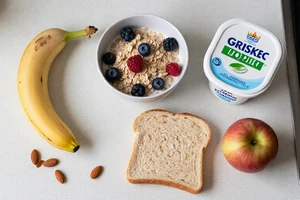
Good options include a banana, a small bowl of oatmeal, a rice cake with a thin spread of nut butter, or a few whole-grain crackers. The key is knowing your own body—some people feel fine with just a piece of fruit, others need a bit more substance.
Mistake 2: Eating a Heavy Meal Too Close to Exercise
On the flip side, diving into a burpee sequence right after a big lunch is a recipe for discomfort. When you eat a large meal, your body directs blood flow to your digestive system to break it down. If you then demand that blood flow go to your working muscles, you create internal competition. The result can be cramping, sluggishness, nausea, or that overly full, heavy feeling that makes every movement a chore.
Timing is personal, but a general guide is to allow 2–3 hours for a large meal to digest before a vigorous workout. For a smaller snack, 30–60 minutes is usually sufficient. If your schedule only allows you to workout soon after a main meal, make that meal lighter and focus on simpler carbohydrates with modest protein and low fat, which digest more quickly than a fatty, fiber-rich feast.
Mistake 3: Forgetting to Hydrate Before You Start
Hydration isn’t something you can fix by chugging a glass of water five minutes before you press play on your workout video. Fluid balance is a day-long process. Starting your home workout even mildly dehydrated can impair coordination, increase perceived effort, and cause your heart rate to spike higher than normal.
Because you’re at home, you might not sweat as visibly as in a hot gym, but you’re still losing fluid. Make a habit of sipping water consistently throughout the day. A good practice is to drink a glass or two of water in the hour leading up to your workout. Your urine color is a simple check—it should be a pale yellow.
By the time you feel thirsty during your workout, you’re already playing catch-up.
Mistake 4: Relying on Sugar for a Quick Energy Spike
Reaching for a candy bar, a sugary sports drink, or a heavily sweetened “energy” snack right before you exercise might give you a fleeting rush, but it often leads to a crash. These simple sugars cause a rapid spike in blood sugar, followed by a sharp drop as your body releases insulin to manage it. That crash can hit right in the middle of your routine, leaving you drained and shaky.
Instead of pure sugar, aim for snacks that include complex carbohydrates with a little fiber, protein, or healthy fat. These components help slow the release of sugar into your bloodstream, providing a steadier, longer-lasting source of energy. A small apple with a tablespoon of almond butter or a few whole-grain crackers with hummus are far more stable fuel sources than a handful of gummy candies.
Mistake 5: Ignoring How Your Body Personally Responds
This might be the most important point. Pre-workout nutrition is not one-size-fits-all. The “perfect” snack for one person might cause bloating or discomfort for another. Factors like your metabolism, the type and intensity of your workout, and even the time of day all play a role.
The best approach is to become an observer of your own body. Keep a simple mental log: what did you eat, when did you eat it, and how did you feel during your workout? Did you have sustained energy? Did you feel light and ready, or sluggish and heavy? Use this feedback to refine your choices. Your home environment is the perfect lab for this—you have full control over your timing and your pantry.
Putting It All Together: A Simple Pre-Workout Framework
So, what should you do? Keep it simple. About 1–2 hours before your home workout, think about having a mini-meal or snack that is:
- Centered on carbohydrates for accessible energy.
- Contains a modest amount of protein to support muscle.
- Low in fat and fiber right before to ease digestion.
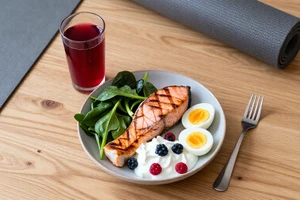
And don’t forget the water. Sip consistently. By avoiding these common mistakes, you’re not just eating for the workout—you’re eating for the recovery that comes after, setting yourself up to feel strong, recover well, and see the results of all your hard work at home.