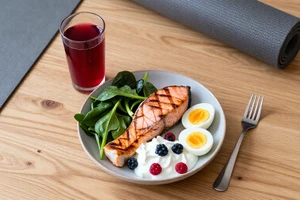
For many people, the gym isn’t just a place of endorphins and gains—it’s also a source of jitters. That knot in your stomach before a heavy squat or a new class can feel like a barrier to showing up. While mental strategies matter, what you eat in the hour or two before you train can actually influence your nervous system, too. As a dietitian, I’ve seen clients shift from dread to focus simply by swapping their pre-workout snack.
Below are five food-based options that may help tone down gym anxiety, steady your blood sugar, and keep your energy even. None of them replace professional help for diagnosed anxiety, but they can make that walk through the gym doors feel a little calmer.
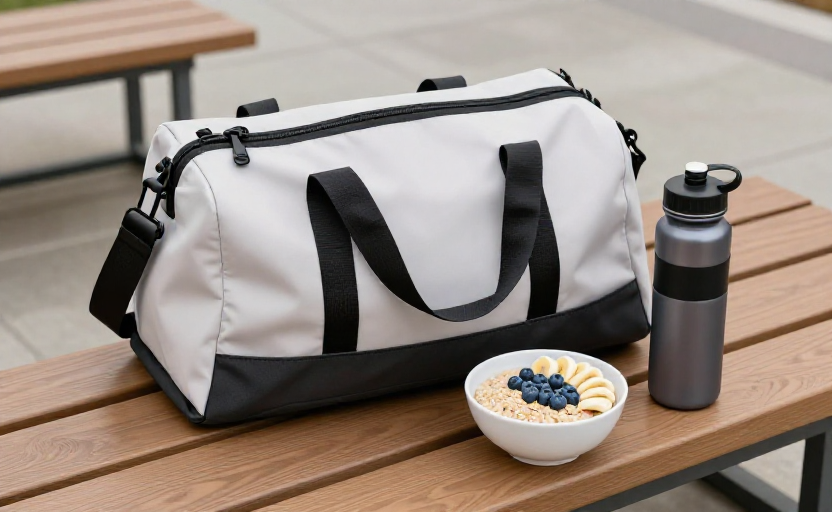
1. Oatmeal with Berries
Oatmeal is a slow-digesting carbohydrate that provides a steady release of glucose. Unlike sugary energy drinks that spike blood sugar and then crash it—a rollercoaster that can mimic or worsen anxiety symptoms—oats keep things level. Add a handful of berries, and you get antioxidants that support brain health and reduce oxidative stress linked to mood disorders. A small bowl about 45 minutes before your workout can settle your stomach and your nerves.
2. A Banana with Almond Butter
Bananas are rich in potassium and vitamin B6, which the body uses to produce serotonin—a neurotransmitter that helps regulate mood and calm. Pairing it with almond butter adds healthy fat and magnesium. Magnesium has a well-documented role in blunting the stress response; low levels are associated with higher perceived anxiety. This combo is easy to digest, portable, and unlikely to cause discomfort during exercise.
3. Greek Yogurt with a Touch of Honey
Greek yogurt delivers protein and probiotics. The gut-brain axis is a two-way street: a healthier gut microbiome can positively influence mood and reduce anxiety-like behaviors. Honey provides a small dose of quick sugar to power through a warm-up, but the fat and protein in the yogurt buffer the absorption. Keep the portion to about ¾ cup—enough to feel satisfied, not full.
4. Turkey or Chicken Slices with Apple Slices
Turkey contains tryptophan, an amino acid that converts to serotonin in the brain. Many people associate turkey with post-Thanksgiving drowsiness, but in modest pre-workout amounts it promotes a calm, focused state—not sleepiness. Apple slices add fiber and a hydrating crunch. This savory-sweet snack is high in protein and lower in volume, making it a smart choice for anyone who feels bloated before a workout.
5. A Small Green Smoothie
Spinach or kale blended with a liquid base (water or unsweetened milk), half a frozen banana, and a scoop of plain protein powder offers a nutrient-dense pre-workout drink. Leafy greens are high in magnesium and folate; folate deficiency has been linked to higher anxiety risk. The banana provides natural sweetness and potassium, and the protein adds staying power. Sip it slowly—no need to chug—and you’ll likely feel energized but not overexcited.
Why These Foods Help with Gym Anxiety
The common thread is that each option stabilizes rather than stimulates. Many commercial pre-workout powders contain caffeine and other stimulants that can amplify heart rate and mimic panic sensations. In contrast, these whole foods rely on blood sugar regulation, magnesium, tryptophan, and gut health to dial down the fight-or-flight response—without leaving you sluggish.
Timing and Portion Tips
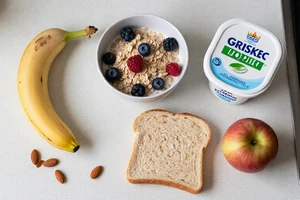
Eat your pre-workout food 30 to 90 minutes before you exercise. A smaller snack can be eaten closer to your session; a larger one needs more time to digest. Pay attention to how your body responds—some people do fine with a handful of almonds and a banana, while others need a denser meal. The goal is to feel fueled, not full.
When to Seek More Support
If gym anxiety is interfering with your training week after week, consider speaking with a therapist or a dietitian who specializes in sports nutrition. Food can be a powerful tool, but it’s one part of a bigger picture. Pre-workout nutrition is not a substitute for medical or psychological care when anxiety is severe.
One last note: Stay hydrated. Even mild dehydration can increase cortisol and make you feel more on edge. Sip water alongside these snacks, and you’ll give your nervous system every advantage.