Walk through any grocery store, and you will see shelves lined with products that advertise themselves as nourishing, natural, or better-for-you. Terms like "plant-based," "high-protein," "low-fat," and "whole grain" are plastered across colorful packages. But a growing body of research shows that many of these seemingly virtuous options are, in fact, ultra-processed foods — products engineered in factories with industrial additives, refined starches, and isolated nutrients that bear little resemblance to their original ingredients.
As a dietitian, I often see clients who are frustrated because they feel they are making healthy choices, yet their energy, digestion, or weight is not improving. The culprit is often hidden in plain sight: foods that have been so heavily modified that they no longer deliver the benefits a person expects. Here is a guide to five popular "health" foods that often belong in the ultra-processed category, along with tips for choosing smarter swaps.
#1: Flavored Instant Oatmeal Packets
A warm bowl of oatmeal carries a wholesome reputation, but not all oats are created equal. Plain, steel-cut, or rolled oats are simply whole grains. In contrast, the flavored instant packets are a different animal entirely. To achieve a creamy texture and sweet taste in under two minutes, manufacturers add sugar (often more than three teaspoons per packet), maltodextrin (a highly processed starch that spikes blood sugar), artificial flavors, and thickening gums. A product that could have been a fiber-rich breakfast becomes a blood-sugar roller coaster in a bowl.
What to look for: Choose plain oats — steel-cut or rolled — and sweeten them yourself with fresh fruit, a dash of cinnamon, or a small spoonful of maple syrup. You will control the sugar and avoid the industrial additives.
#2: Plant-Based Meat Alternatives
The rise of plant-based eating has brought with it a flood of burgers, sausages, and nuggets made from pea protein, soy, and other plant sources. While these products can be convenient for someone transitioning away from animal protein, they are often ultra-processed. A typical plant-based patty contains a long ingredient list: protein isolates, methylcellulose (a binder made from wood pulp), modified starches, natural flavors, and several oils. Research indicates that frequent consumption of these hyper-processed meat alternatives may not offer the same metabolic benefits as eating whole plant foods like beans, lentils, or tofu.
What to look for: When you want a quick savory option, look for products with short ingredient lists — ideally, beans, vegetables, herbs, and a binder like oat flour. Better yet, make your own patties at home with mashed black beans, breadcrumbs, and spices.
#3: Protein and Granola Bars
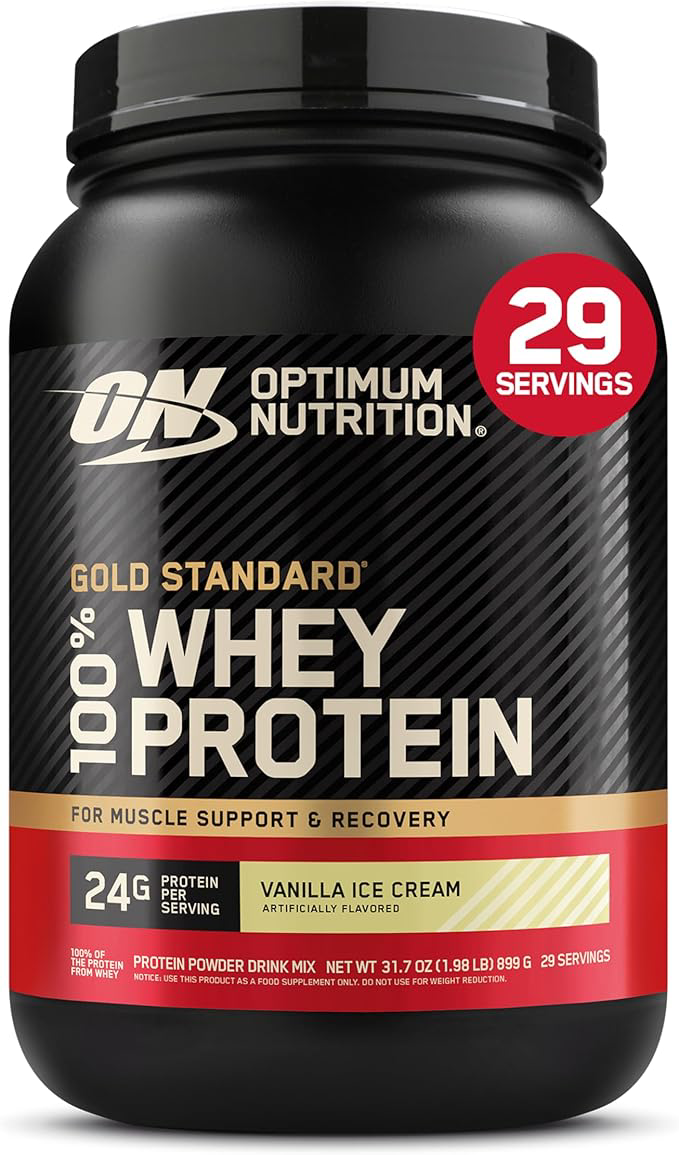
Protein bars and granola bars are marketed as the ultimate on-the-go health snack. But many of them are essentially candy bars dressed up in athletic clothing. The ingredients often include a combination of rice syrup (a sugar equivalent), maltitol or other sugar alcohols (which can cause digestive upset), fractionated oils (processed to extend shelf life), isolated soy protein, and added fibers like chicory root inulin that can bloat a sensitive gut. The minimal whole-food content is dwarfed by the industrial components.
What to look for: Seek bars with a short ingredient list where you recognize every item — a couple of nuts, dates, oats, and seeds. Or, for the most control, make a batch of homemade energy bites with peanut butter, oats, and dark chocolate chips.
#4: Flavored Yogurt and Yogurt Drinks
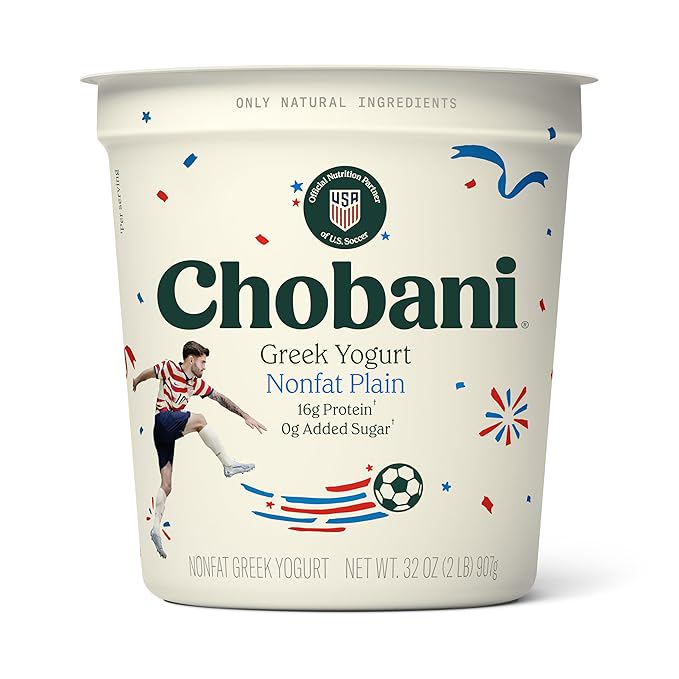
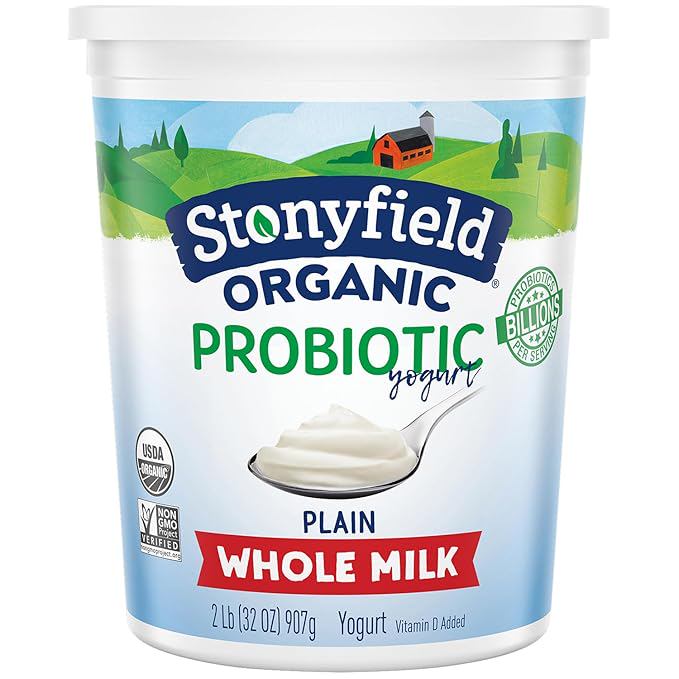
Plain yogurt is a fermented dairy product that provides protein, calcium, and probiotics. But once fruit puree, sugar, high-fructose corn syrup, modified corn starch, pectin, and artificial colors are added, the result is far from a whole food. Many yogurt cups marketed to children or as "light" options contain between 15 and 25 grams of sugar per serving — most of it added. The fruit at the bottom is often a jam-like syrup with little actual fruit. These yogurts are technically ultra-processed because they combine multiple industrial ingredients with a base that was once simple.
What to look for: Buy plain, full-fat or low-fat yogurt and add your own fresh fruit, a drizzle of honey, or a sprinkle of granola. This way you control the sweetness and avoid the thickeners and preservatives.
#5: Packaged Whole-Wheat or Multigrain Bread
A loaf of bread labeled "whole wheat" or "multigrain" sounds like a sensible choice. But many commercial breads are ultra-processed. They often start with enriched wheat flour (which is refined flour with a few synthetic vitamins added back) and then add small amounts of whole-wheat flour just enough to color the bread brown. The ingredient list may include high-fructose corn syrup, soybean oil, dough conditioners (such as DATEM, azodicarbonamide, or calcium propionate to extend shelf life), and preservatives. True whole-grain bread contains 100% whole-wheat flour as its first ingredient — and little else.
What to look for: Read the label. The first ingredient should be "100% whole-wheat flour" or another whole grain such as "whole rye" or "whole spelt." Avoid breads with added sugars, hydrogenated oils, or a paragraph-length list of unpronounceable additives.
How to Navigate the Supermarket with Confidence
Recognizing ultra-processed foods does not mean you must cook everything from scratch or never eat convenience items. It simply means becoming an ingredient-conscious shopper. A good rule of thumb: if a product contains an ingredient you would not find in a home kitchen (like modified starches, artificial sweeteners, emulsifiers, or protein isolates), it is likely ultra-processed. Focus on buying foods that look close to their natural state — fresh vegetables, fruit, legumes, nuts, seeds, plain dairy or nondairy milk, eggs, and lean meats or fish. When you do buy packaged goods, compare ingredient lists and choose the ones with the fewest additives.
Remember: 'Healthy' is a marketing term, not a nutrient. The most reliable indicator of a nutritious food is its ingredient list, not the claim on the front of the box.
Final Thoughts from a Dietitian
Eating well does not require perfection. But being aware of the difference between whole foods and ultra-processed look-alikes can transform your health. Each time you choose a real orange over an orange-flavored snack bar, you are giving your body the fiber, water, and phytonutrients it was designed to use. The five foods listed above are everyday examples where the "health halo" is misleading. By keeping an eye on ingredients and cooking a few more meals from scratch, you can reclaim the nourishing power of real food.