When people think about plant-based protein, soy and seitan usually steal the spotlight. But if you are looking to diversify your diet—or simply want options beyond tofu, tempeh, and wheat gluten—there are plenty of other high-protein plant foods that deserve a place on your plate. These five ingredients are nutrient-dense, widely available, and easy to cook with, whether you follow a vegetarian, vegan, or flexitarian eating pattern.
Here is a closer look at five protein-rich plant foods that are not soy or seitan.
1. Lentils: A Protein Powerhouse
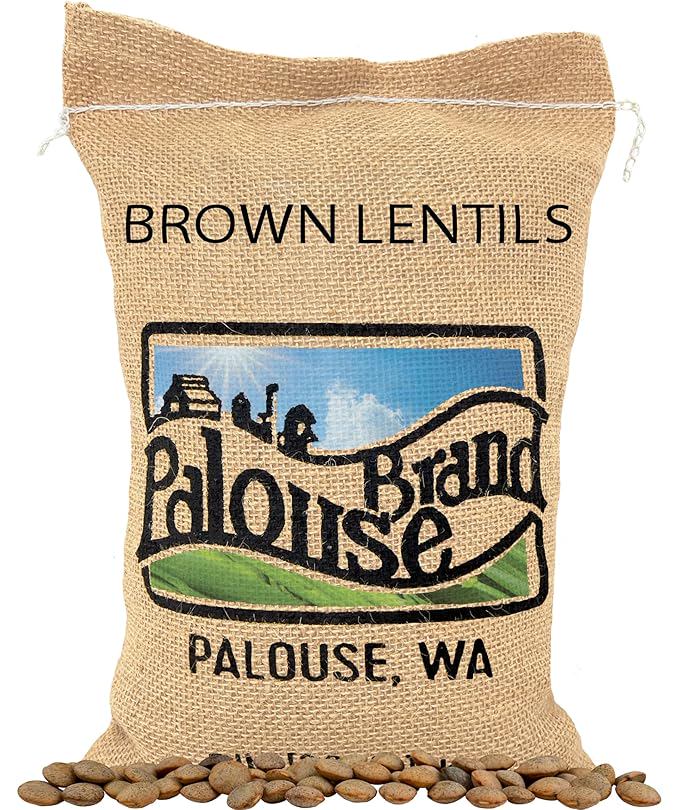
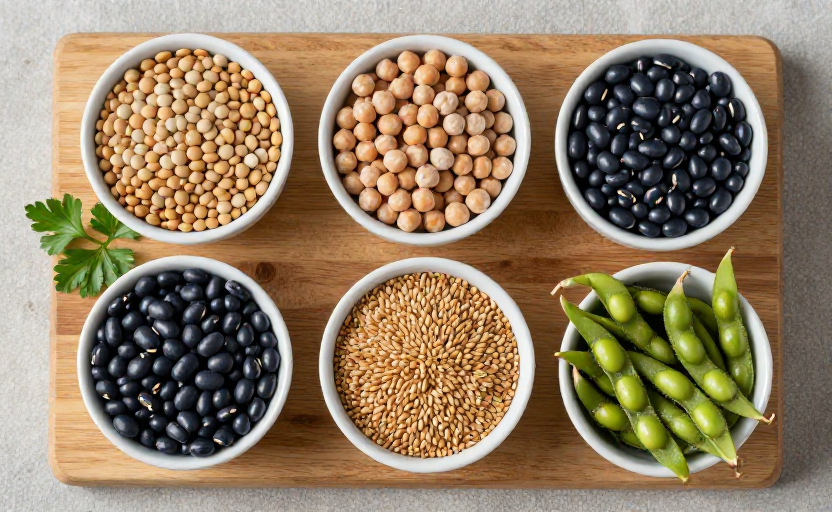
Lentils are one of the most accessible and affordable sources of plant protein. A single cup of cooked lentils provides about 18 grams of protein, along with a generous amount of dietary fiber, iron, and folate. Unlike many other legumes, lentils do not require soaking before cooking, so they are a practical choice for weeknight meals.
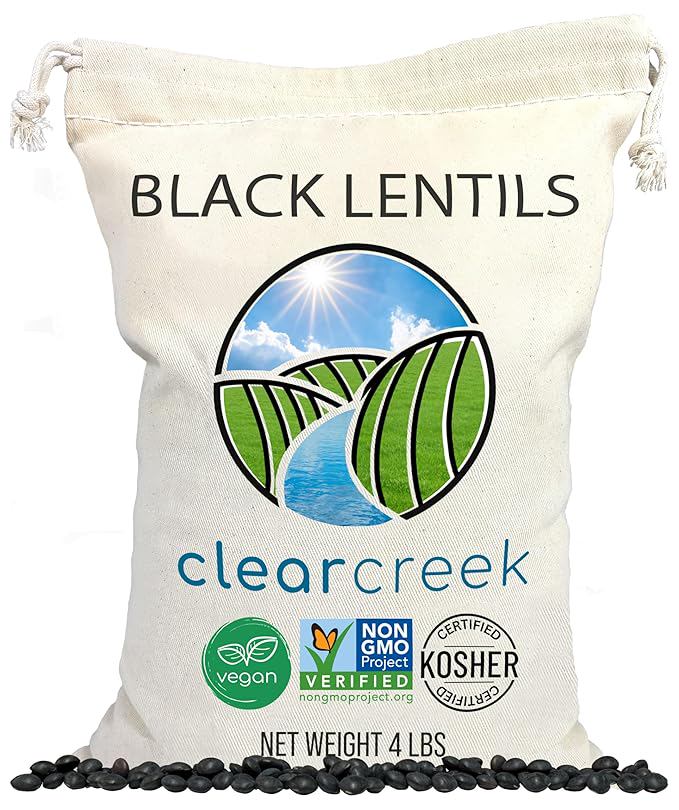
Green, brown, red, and black lentils each have slightly different textures and cooking times. Red lentils break down quickly and work well in soups and dals, while brown and green lentils hold their shape nicely in salads and grain bowls. The fiber content in lentils also supports steady digestion and helps maintain stable blood sugar levels after meals—an important factor for sustained energy throughout the day.
2. Chickpeas: Versatile and Satisfying
Chickpeas, also called garbanzo beans, deliver roughly 15 grams of protein per cooked cup. They have been a staple in Mediterranean, Middle Eastern, and South Asian cooking for centuries for good reason. Their mild, nutty flavor makes them adaptable to both savory and sweet preparations.
You can toss chickpeas into salads, blend them into hummus, roast them with spices for a crunchy snack, or add them to curries and stews. Canned chickpeas are convenient, but dried chickpeas cooked from scratch tend to have a firmer texture and deeper flavor. Beyond protein, chickpeas provide complex carbohydrates, manganese, and folate, making them a solid choice for long-lasting energy.
3. Hemp Seeds: Small but Mighty
Hemp seeds are one of the most concentrated plant-based protein sources you can find. Just three tablespoons of shelled hemp seeds contain about 10 grams of protein. They are also rich in omega-3 and omega-6 fatty acids in a ratio that supports heart health, along with magnesium, zinc, and iron.
Unlike many seeds, hemp seeds are a complete protein, meaning they supply all nine essential amino acids your body cannot produce on its own. This is relatively rare among plant foods. You can sprinkle hemp seeds over oatmeal, yogurt, or salads, blend them into smoothies, or stir them into sauces and dressings. Their mild, slightly nutty taste blends easily without overpowering other ingredients.
4. Black Beans: A Kitchen Staple
Black beans offer about 15 grams of protein per cooked cup, plus a substantial dose of fiber and antioxidants called anthocyanins. These antioxidants give black beans their deep color and may help reduce inflammation and oxidative stress in the body.
Black beans are a familiar ingredient in Latin American and Caribbean cuisines, but they work well in many types of dishes. Use them in burritos, tacos, soups, burgers, or simply seasoned and served over rice. Their creamy texture contrasts nicely with crunchy vegetables or grains. Because black beans are naturally low in fat and high in resistant starch, they also promote satiety and gut health.
5. Edamame (Yes, It’s a Soybean—But Not Tofu or Seitan)
Technically, edamame is a soybean, so it does contain soy. However, it is a whole, minimally processed form of soy—unlike tofu, tempeh, or seitan—which makes it worth including on this list for those who are simply avoiding processed soy products. Edamame delivers about 18 grams of protein per cooked cup, plus fiber, vitamin K, and folate.
Frozen edamame is widely available and quick to prepare. You can steam the pods and eat them directly with a sprinkle of sea salt, or use shelled edamame in stir-fries, grain bowls, and salads. For most people, whole soy foods like edamame are considered safe and nutritious when eaten in moderate amounts. If you have a diagnosed soy allergy or medical reason to avoid soy entirely, skip this option and load up on lentils, chickpeas, hemp seeds, or black beans instead.
A quick note: Seitan is made from wheat gluten and is not suitable for those with celiac disease or gluten sensitivity. Lentils, chickpeas, hemp seeds, and black beans are naturally gluten-free.
Building a diverse plant-based protein rotation is simpler than it often seems. By keeping a few of these ingredients in your pantry, you can prepare meals that are satisfying, nutrient-packed, and free of over-reliance on soy or seitan. Each of these foods also brings its own set of vitamins, minerals, and phytonutrients to the table, so varying your choices throughout the week is a smart strategy for balanced eating.