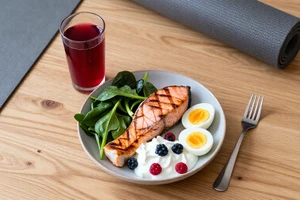

You finished a tough workout, nailed your form, and felt the burn. But the next morning? That burn turns into a dull ache that makes stairs feel like a mountain. Post-workout soreness is a normal part of building strength, but what you eat after exercise can either calm that inflammation or pour gasoline on the fire.
While a post-workout meal is often framed as a simple refueling window, the foods you choose have a direct impact on how your body recovers. Some foods can exacerbate muscle inflammation, delay repair, and make that soreness last longer. Others deliver the nutrients your muscles actually need to rebuild. Here is a breakdown of five common foods that may increase post-workout soreness—and three that actually help.
Foods that may increase muscle soreness
1. Sugary sports drinks and processed snacks
It seems counterintuitive—a sports drink is designed for recovery, right? The issue is the type and amount of sugar. Many commercial sports drinks and energy gels contain high-fructose corn syrup or refined sugar, which can spike blood glucose and trigger a pro-inflammatory response. When your muscles are already inflamed from micro-tears, adding a sugar spike can amplify that inflammatory cascade rather than calm it.
Instead of relying on sugary drinks, consider water with a pinch of salt and a splash of real fruit juice if you need electrolytes. Your muscles need fluids, but they do not need a sugar rush.
2. Fried and fatty foods
French fries, fried chicken, and greasy fast food are tempting after a long workout because they are convenient. But high levels of trans fats and omega-6 fatty acids found in most fried foods promote systemic inflammation. Your body is trying to repair muscle tissue, but these fats redirect resources toward managing inflammation from the food itself.
One study in the Journal of the International Society of Sports Nutrition noted that diets high in saturated and trans fats can impair muscle protein synthesis and recovery. A greasy meal after a hard lift may leave you feeling heavier and more sore than you need to be.
3. Processed meats
Deli meats, bacon, sausages, and hot dogs are packed with sodium, nitrates, and preservatives. While sodium in moderation is fine for replenishing electrolytes, the ultra-processed nature of these meats introduces compounds that can increase oxidative stress. More oxidative stress means more muscle cell damage and a longer recovery window.
If you crave protein post-workout, opt for fresh, minimally processed sources like grilled chicken, tofu, or eggs rather than a pre-packaged meat stick.
4. Dairy (for some people)
Dairy is not inherently bad—Greek yogurt and milk are popular recovery foods for a reason. However, for individuals with lactose intolerance or a mild dairy sensitivity, consuming milk, cheese, or yogurt after exercise can cause digestive distress and systemic inflammation. The gut is closely tied to the immune system, and an inflamed gut can worsen perceived muscle soreness.
If you frequently feel bloated or more achy after a post-workout smoothie made with milk, try swapping to a lactose-free or plant-based alternative and see if your recovery improves.
5. Alcohol
Alcohol is a diuretic, which means it dehydrates you. Dehydration alone can intensify muscle cramps and soreness. Beyond that, alcohol disrupts protein synthesis and impairs the release of growth hormone, both of which are critical for muscle repair. A post-workout beer might feel relaxing, but it can slow down your recovery and make that soreness linger an extra day.
If you do choose to drink after exercise, wait at least a few hours and pair it with plenty of water and a nutrient-dense meal first.
A quick note on timing: The foods above are not inherently “bad.” They can be part of a balanced diet when eaten away from your workout window. But consuming them within a few hours after exercise appears to blunt recovery most significantly.
Foods that help reduce post-workout soreness
1. Tart cherries or tart cherry juice
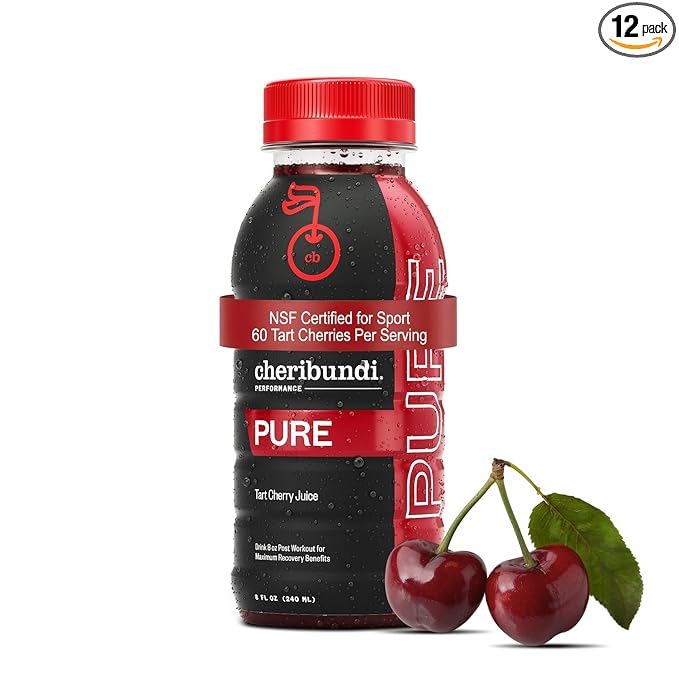
Tart cherries are one of the most researched foods for exercise recovery. They are rich in anthocyanins, a type of antioxidant with strong anti-inflammatory properties. Several studies show that drinking tart cherry juice for several days before and after intense exercise can reduce markers of muscle damage and speed up strength recovery.
You do not need a giant bottle—just a small glass of unsweetened tart cherry juice or a handful of dried tart cherries in your oatmeal or yogurt can make a difference.
2. Fatty fish (salmon, mackerel, sardines)
Fatty fish are the best natural source of omega-3 fatty acids, specifically EPA and DHA. These fats help resolve inflammation at the cellular level. A 2016 study found that participants who took fish oil supplements for several weeks reported significantly less muscle soreness after eccentric exercise compared to a placebo group. Whole fish offers the same benefits plus protein for repair.
A simple post-workout dinner of grilled salmon with roasted vegetables gives your muscles both the anti-inflammatory fats and the protein they need.
3. Sweet potatoes and colorful vegetables
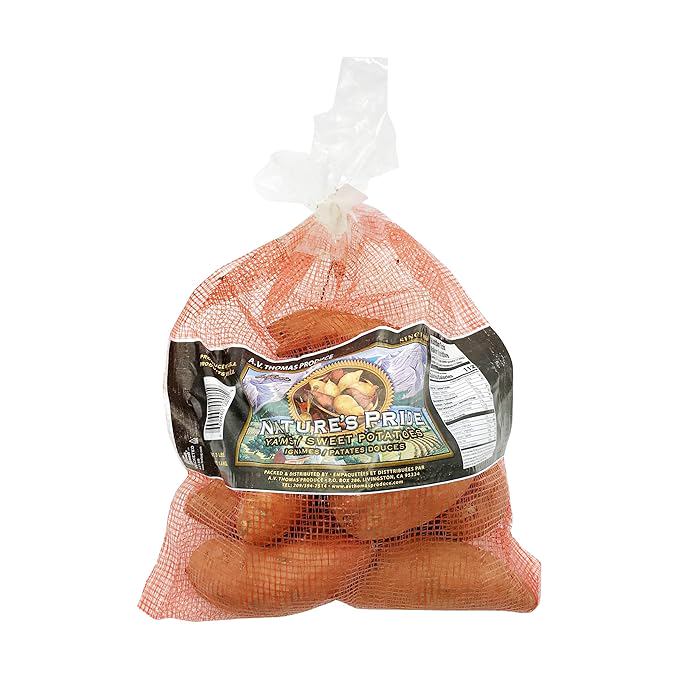
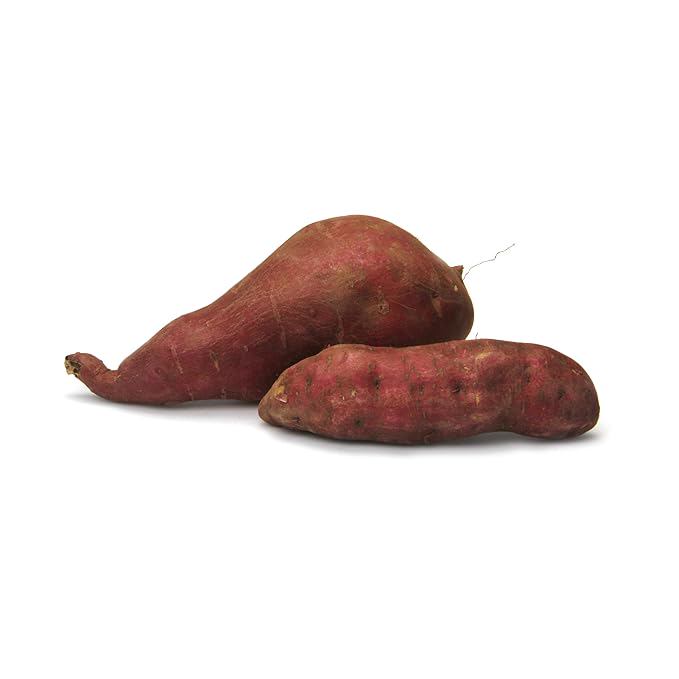
Complex carbohydrates like sweet potatoes help replenish glycogen stores, but they also bring a wealth of vitamins and antioxidants. The beta-carotene in sweet potatoes converts to vitamin A, which supports immune function and helps manage inflammation. Brightly colored vegetables—bell peppers, spinach, broccoli—provide a range of antioxidants that combat the oxidative stress created during intense exercise.
Recovery tip: Pair a roasted sweet potato with a lean protein source and a handful of greens for a balanced meal that supports muscle repair without the inflammatory baggage.
Recovery is not just about what you avoid; it is about what you actively feed your body. By steering clear of the foods that spike inflammation and prioritizing nutrient-dense choices, you can reduce the intensity of post-workout soreness and get back to training sooner.